


I asked 11 affiliate marketers for their top affiliate marketing tips in 2024.
Here are the tips they shared and how to do them.

Keep a tight inventory of your affiliate links to ensure they’re working, and replace them when products go out of stock. This is like running a real retail store—you wouldn’t let your shelves go empty without noticing.

How to do it
Don’t try to do this manually. Use a WordPress plugin to automate it.
I use Lasso (an affiliate plugin I helped develop) and Genius Link to track links.
Neither of these are expensive. Genius Link starts at $6 per month for up to 2,000 affiliate clicks with extra clicks costing just $2.50 per 1,000. Lasso starts from just $8 per month (annual pricing).
Recouping this investment is easy if your site gets, well, pretty much any traffic whatsoever.
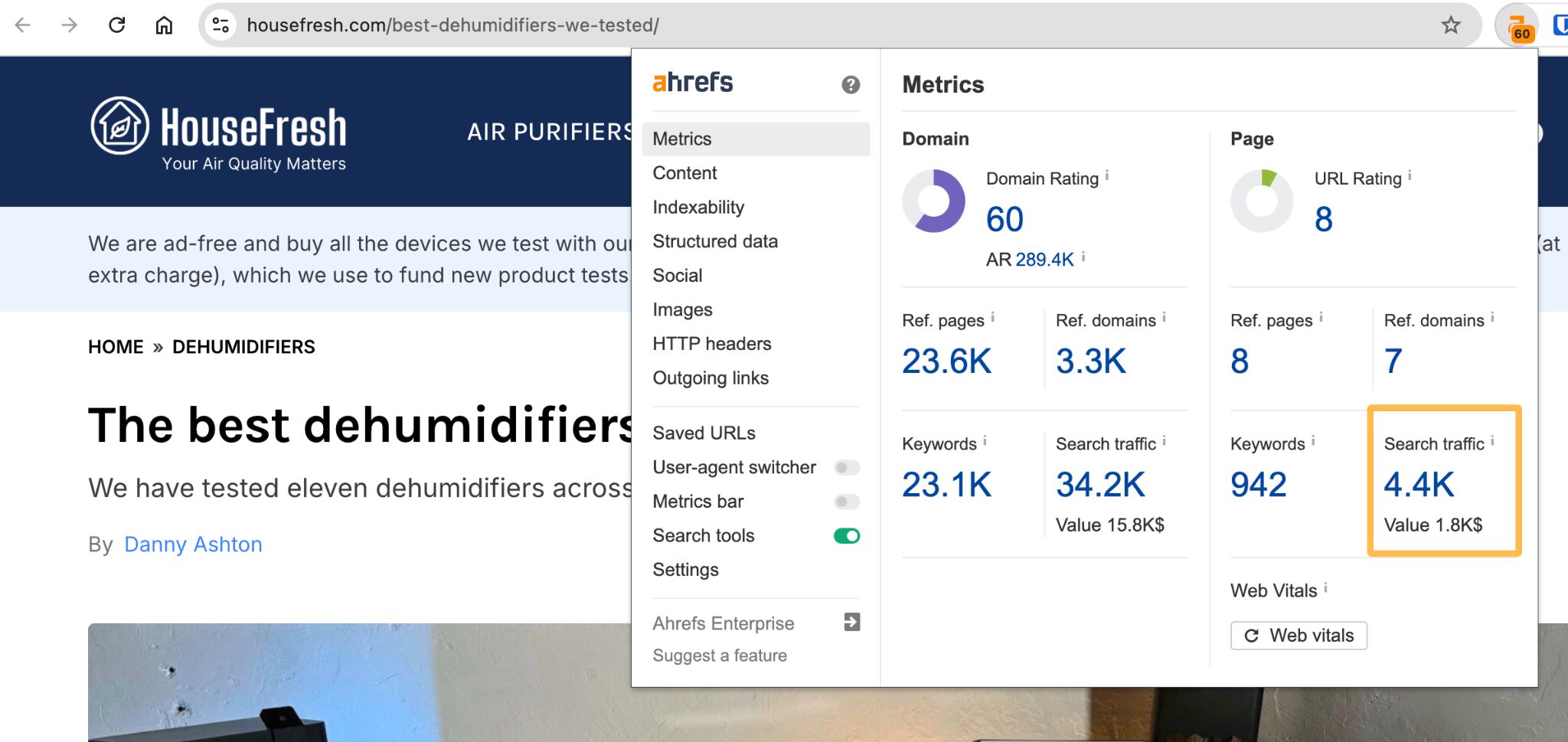
For example, this list of the best dehumidifiers gets an estimated 4,400 monthly search visits according to Ahrefs SEO Toolbar and recommends an out-of-stock product:
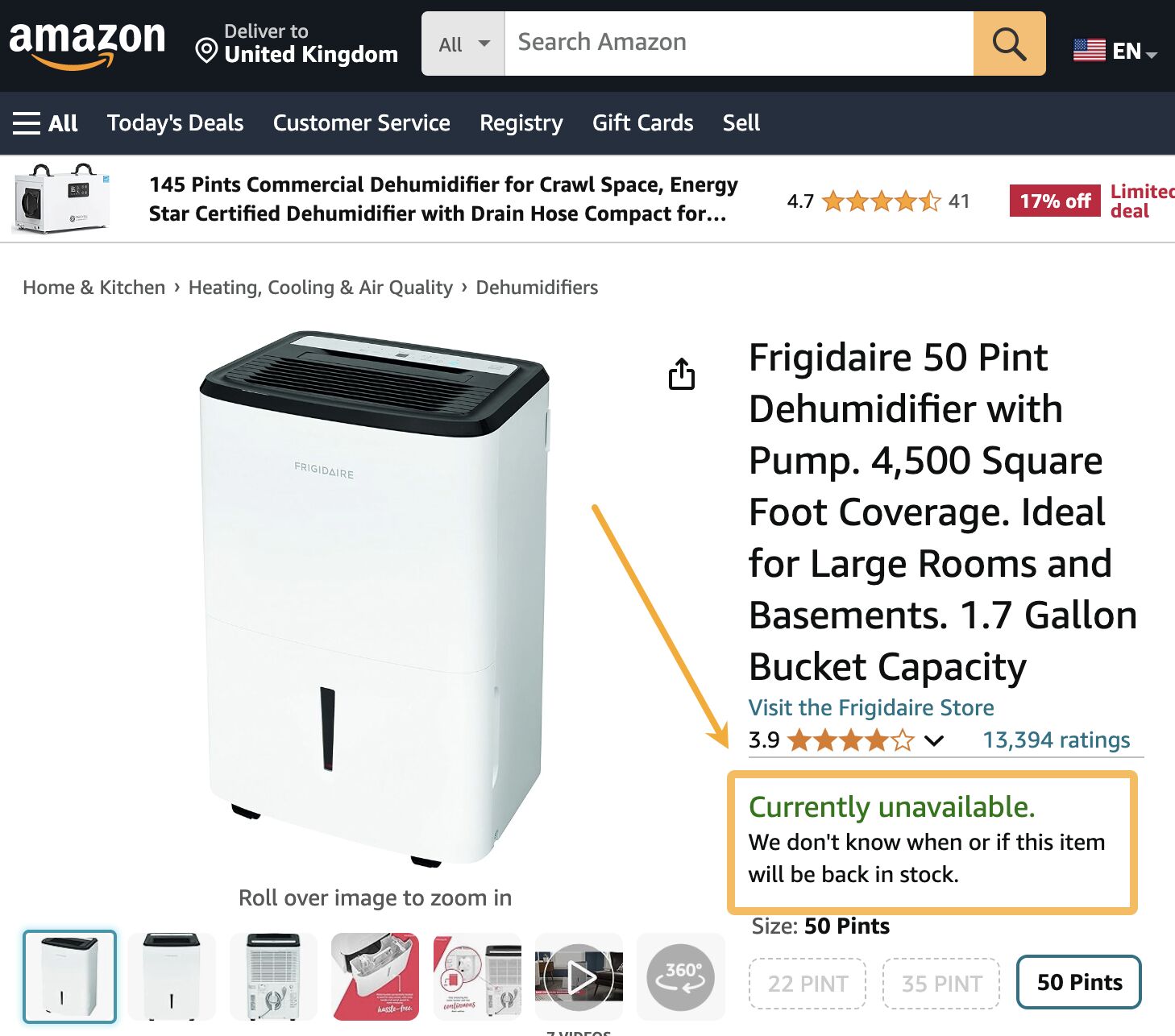
Since the site owner earns $10-$15 per sale, recovering just one commission would make using the plugin worthwhile.
Always prioritize products you trust over those with the highest commissions. This builds long-term trust with your audience.
How to do it
I’m afraid I have bad news for those looking to make an easy buck because you need to actually test products for real. There’s no other way to know if they’re worth recommending.
Here’s an anecdote from Matt showing just how powerful building this trust can be:
When I was shopping for a litter box for my cat, I bought a $400 fancy one. My wife thought it was insane. So I decided to do some research and found Wirecutter recommended a $30 black plastic tub. They gave all the reasons why it was better than a fancy one. And it was the best and cheapest purchase I’ve ever made. I now skip Google and go straight to Wirecutter whenever I want to buy something.
Did you catch that? Matt now bypasses Google and goes straight to Wirecutter because they prioritize practicality and simplicity over commissions—unlike most affiliate sites.
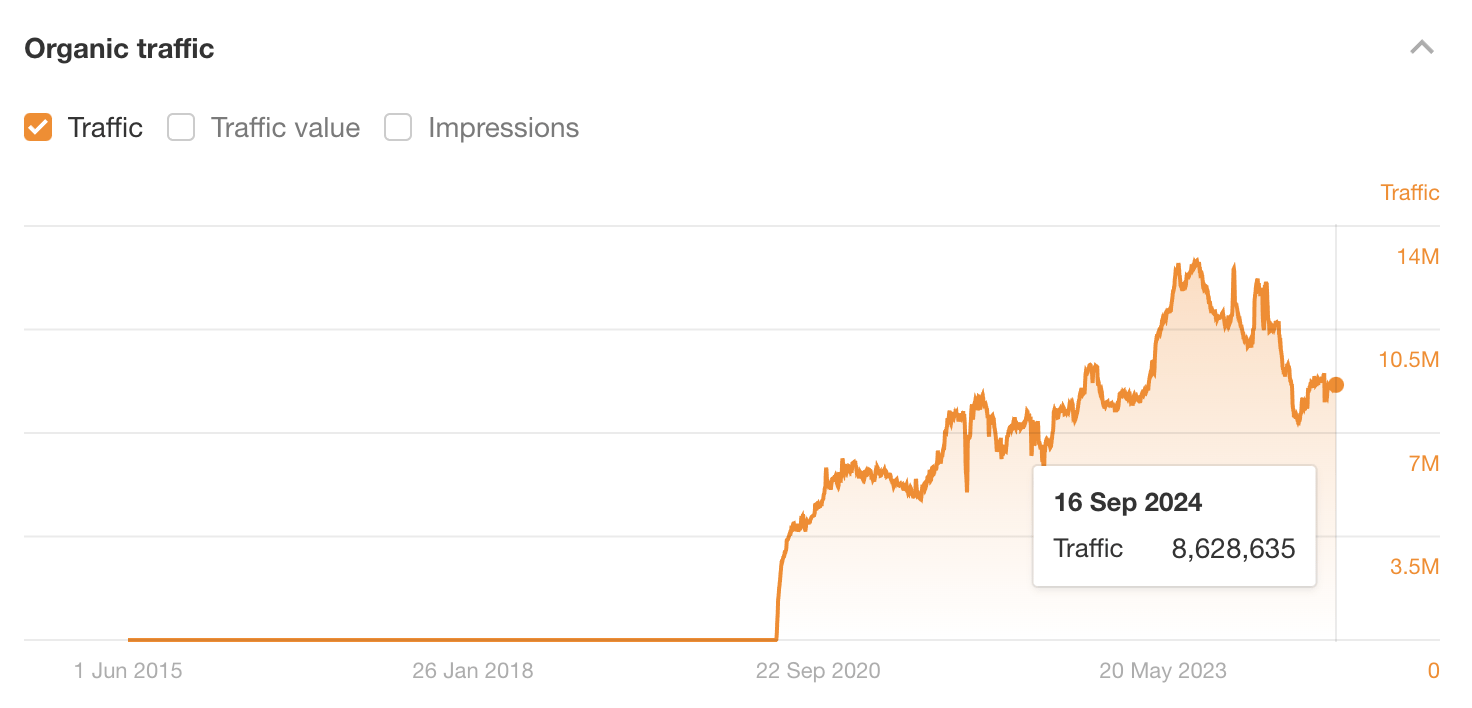
Even if a small fraction of their millions of monthly visitors are like Matt, they’ve likely earned thousands in commissions from people who trust them over Google’s top results.
Everything is negotiatable in affiliate marketing. However much a vendor is paying, they always have room to increase their rates.

My number 1 tip is to simply ask for more money, wherever you have leverage to do so.

How to do it
Put in the work to build genuine relationships with affiliate managers.
My number one tip for affiliate marketers is to pick up the phone and build relationships with the affiliate managers of the brand you promote. Or even better, meet them in real life if you can.

If this kind of networking sounds like your worst nightmare, try partnering with someone more extroverted who has sales experience.
Are you an introvert who would rather die than pick up the phone? Then hire someone with sales skills to help on a revenue share basis. Your business can really snowball when increasing commissions is someone’s main focus.
Jamie’s point about leverage is also important. If you can show affiliate managers how much your site is growing or how much traffic you’re sending to their competitors, they’ll be more inclined to want a good relationship with you.
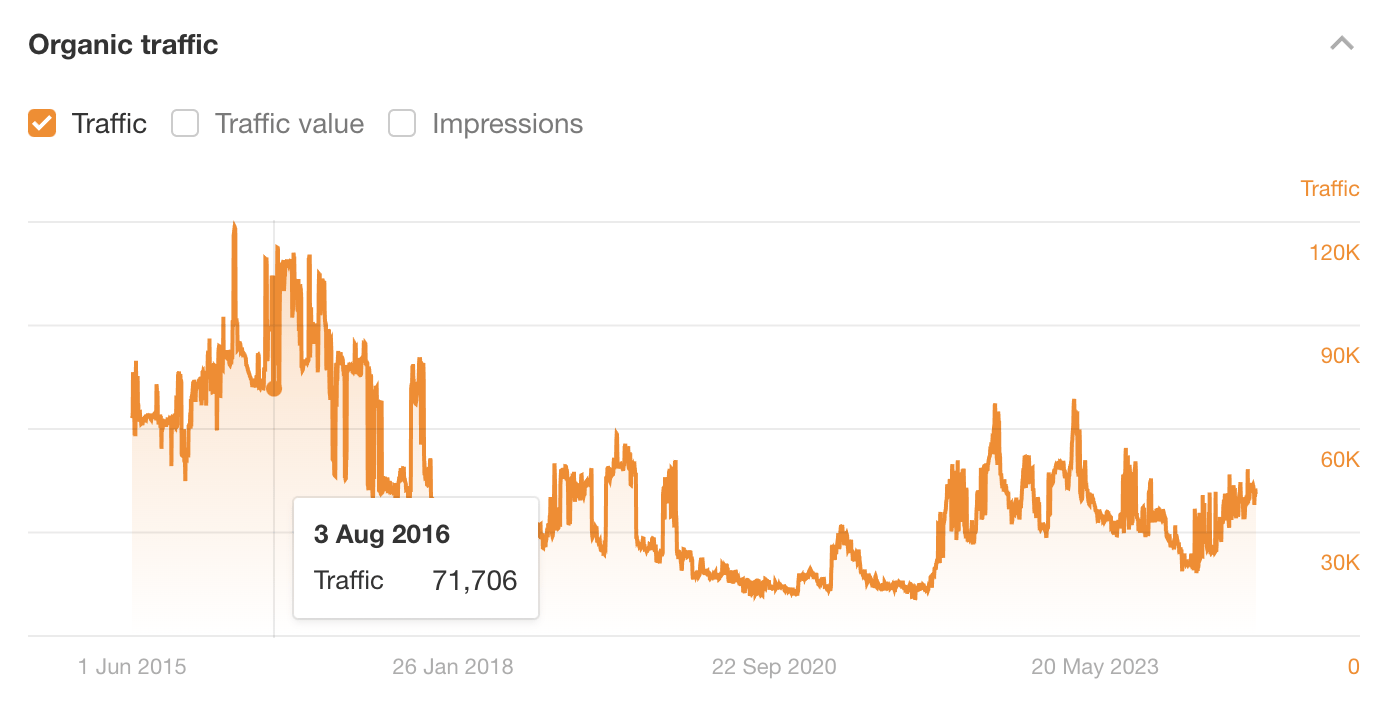
For example, I recall Pat Flynn used to consistently recommend Bluehost back in 2013-2016. Given that his site consistently attracted 70K+ monthly search visits back then, I’d imagine the folks at Bluehost were pretty keen to maintain a strong relationship with him.
As an affiliate marketer running a portfolio of websites, the most powerful, but often overlooked strategy is internal linking. It’s about connecting your website’s pages in a smart way. Especially for affiliate pages, which are notoriously hard to build links for gaining external relevance and trust.

How to do it
James explains it best:
Start with a pillar post. This is your cornerstone content—a comprehensive “Best X” article that covers a broad topic in depth. From there, create smaller, targeted posts. These ‘smaller’ posts, often referred to as “Best X for Y” articles, should strategically link back to your pillar post.
For example, if you’re in the mattress niche, you might have a pillar post targeting “best mattress” surrounded by smaller, targeted posts like “best mattress for back pain” or “best mattress for side sleepers.”
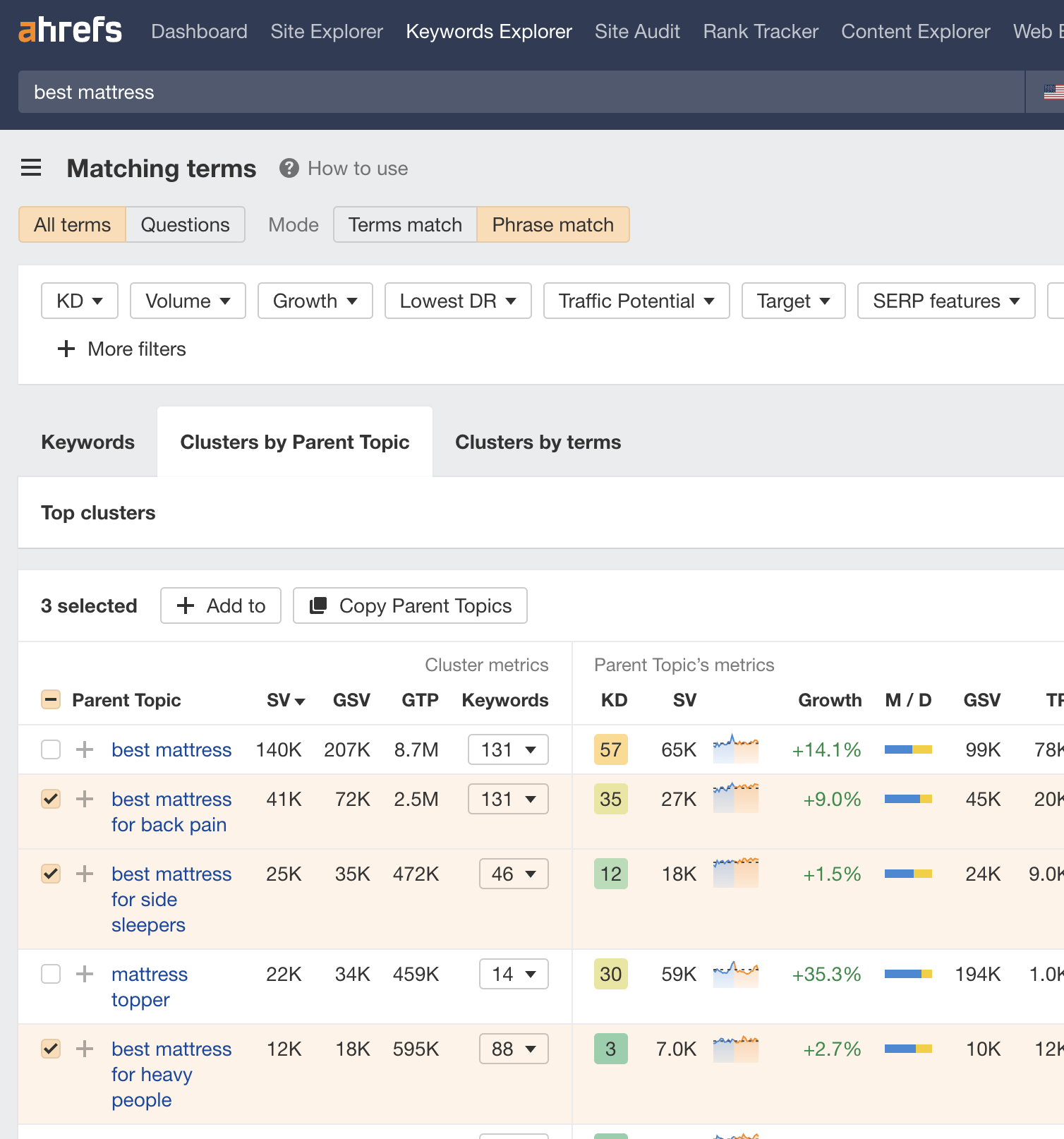
If you’re not sure what keywords to target for smaller posts, plug your pillar page keyword into Ahrefs’ Keywords Explorer, go to the Matching terms report, cluster by Parent Topic, then look for ideas.
James also notes that you can simply audit your existing content and create comparison hubs retrospectively.
Audit your content. Identify your pillar posts and start linking them with relevant “Best X for Y” articles. Align everything with search intent. This simple strategy can set you apart in a competitive market.
Reverse engineering is the best strategy in affiliate marketing. It helps you base your content and tactics on proven success. My favorite (and often overlooked) method is reverse affiliate linking.
How to do it
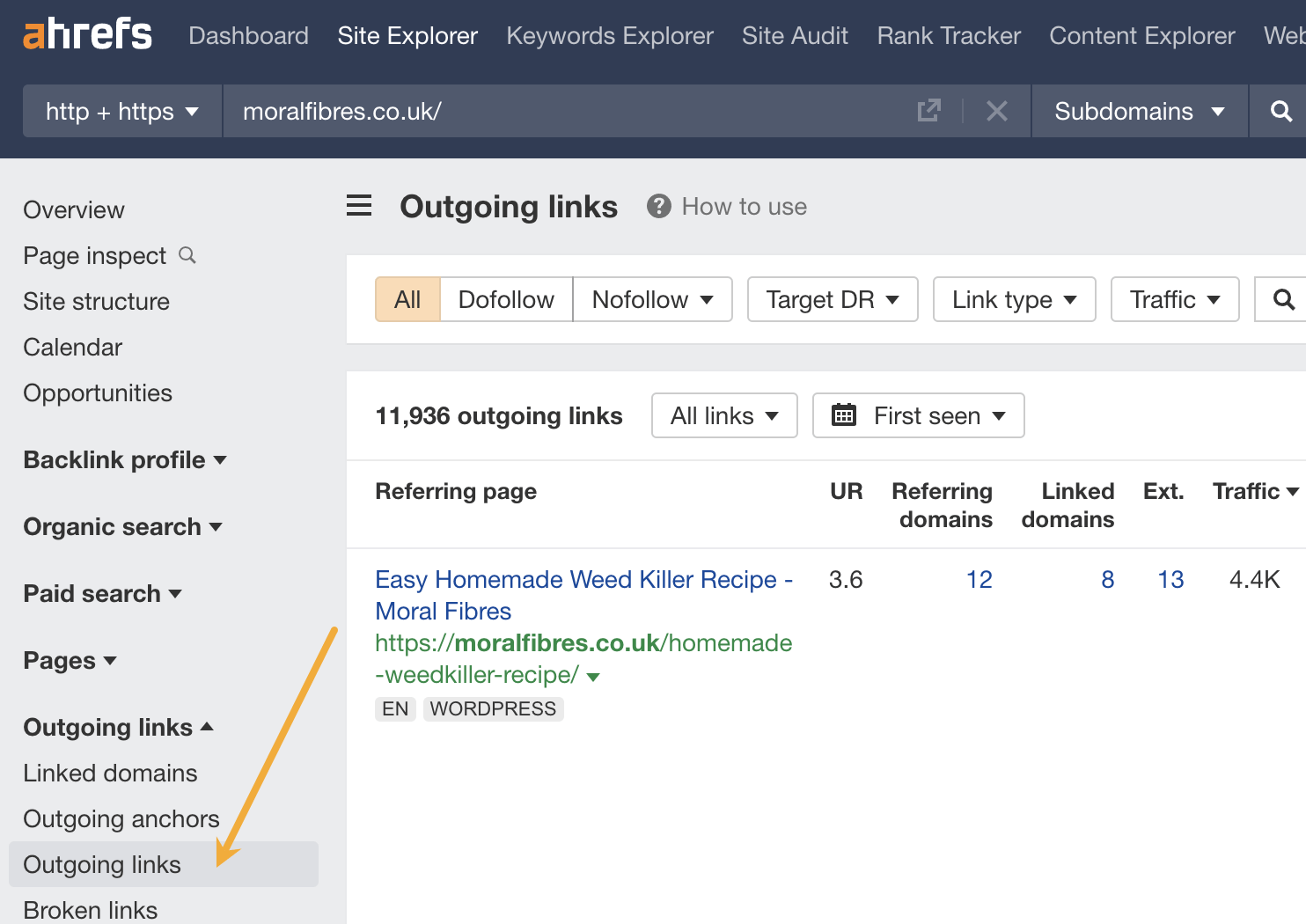
Find a competing website in your niche, plug it into Ahrefs’ Site Explorer, then go to the Outgoing links report. This shows you all the pages the website is linking to.
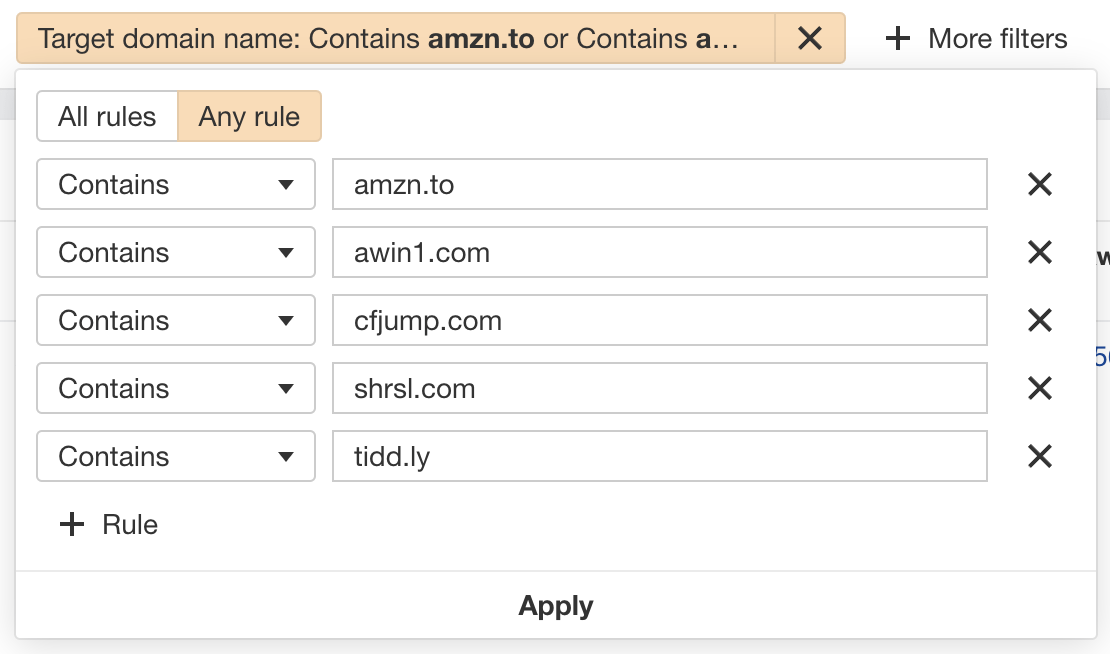
Next, filter for links to shortened domains commonly used by affiliate networks.
Here’s a quick list to get you started:
- Amazon: amzn.to
- Awin: awin1.com, tidd.ly
- Pepperjam: pjatr.com
- Commission Factory: cfjump.com
- ShareASale: shrsl.com
- FlexOffers: clkmg.com
Sidenote.
Make sure to toggle “Any rule” when doing this.
Not only will this reveal all the products and stores the site is promoting…
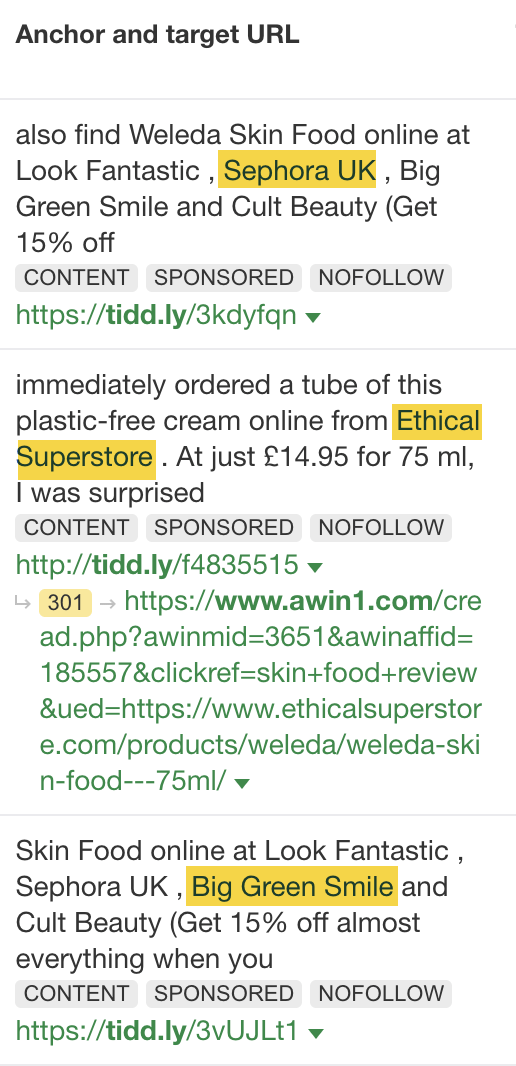
… but it will also reveal low-hanging affiliate opportunities.
For example, this sustainable living site gets an estimated 2.5K monthly organic visits to a product review. As the page only has links from two referring domains, it should be pretty easy to compete with.
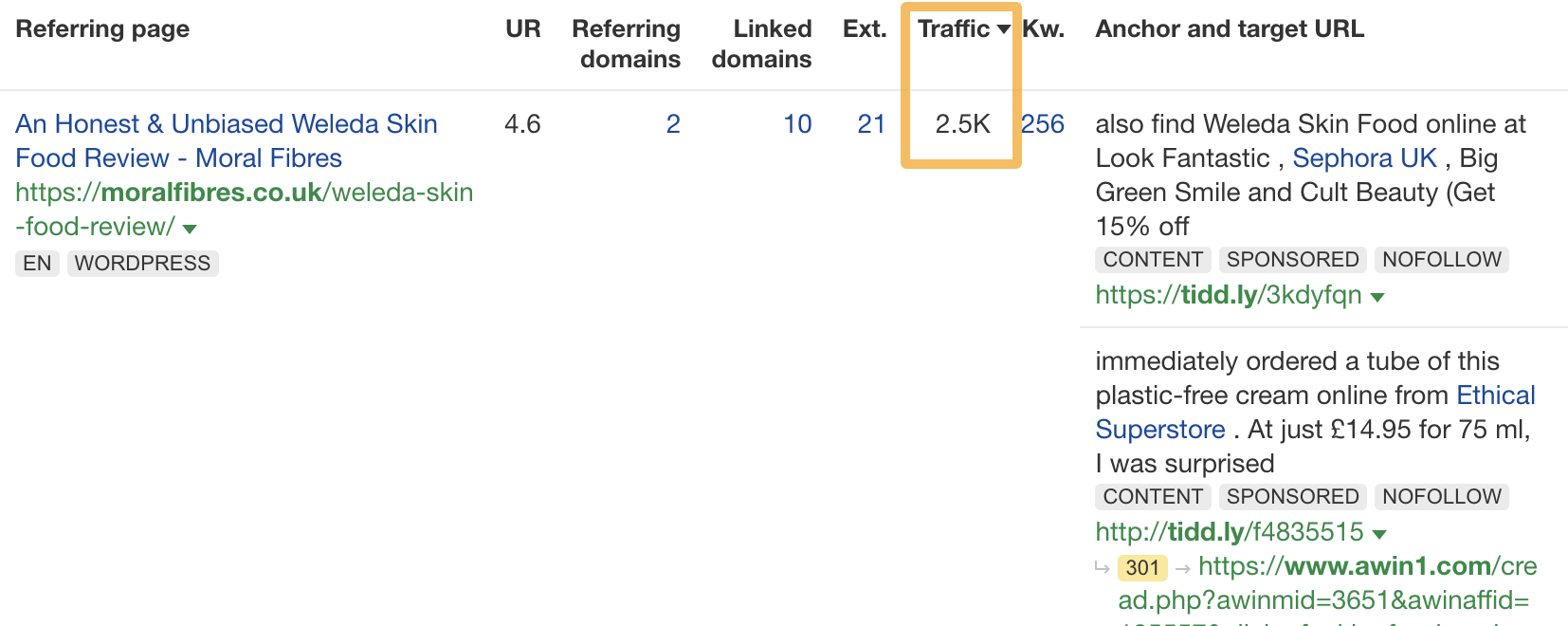
James also uses this method to find content ideas to promote specific products. He does this by plugging a specific product’s affiliate link into Ahrefs then seeing who links to it.
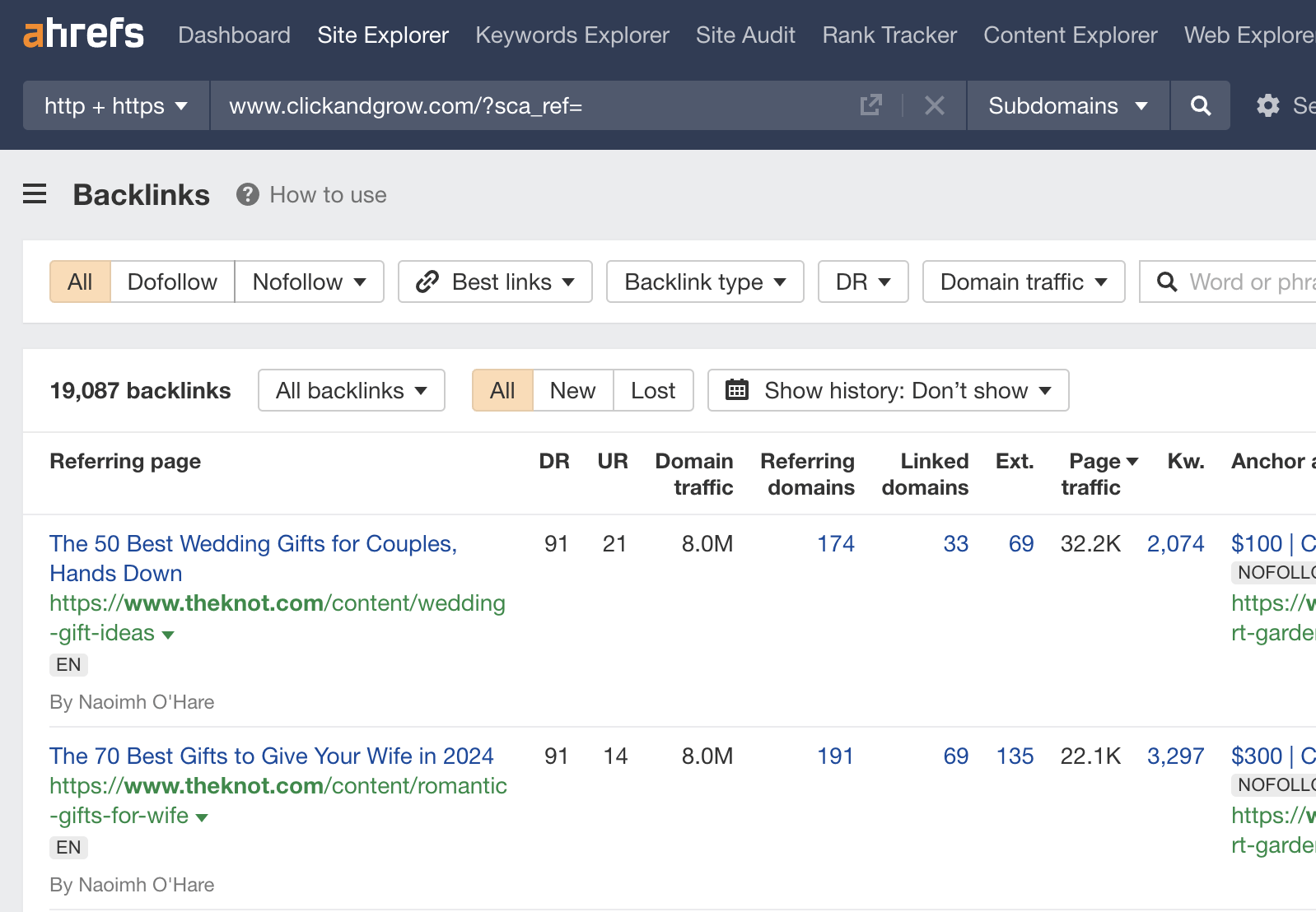
For example, I recently bought an indoor herb garden from a company with an affiliate program. Their affiliate links have this footprint: clickandgrow.com/?sca_ref=. If I plug this into Site Explorer and go to the Backlinks report, I see over 19K pages promoting this product:
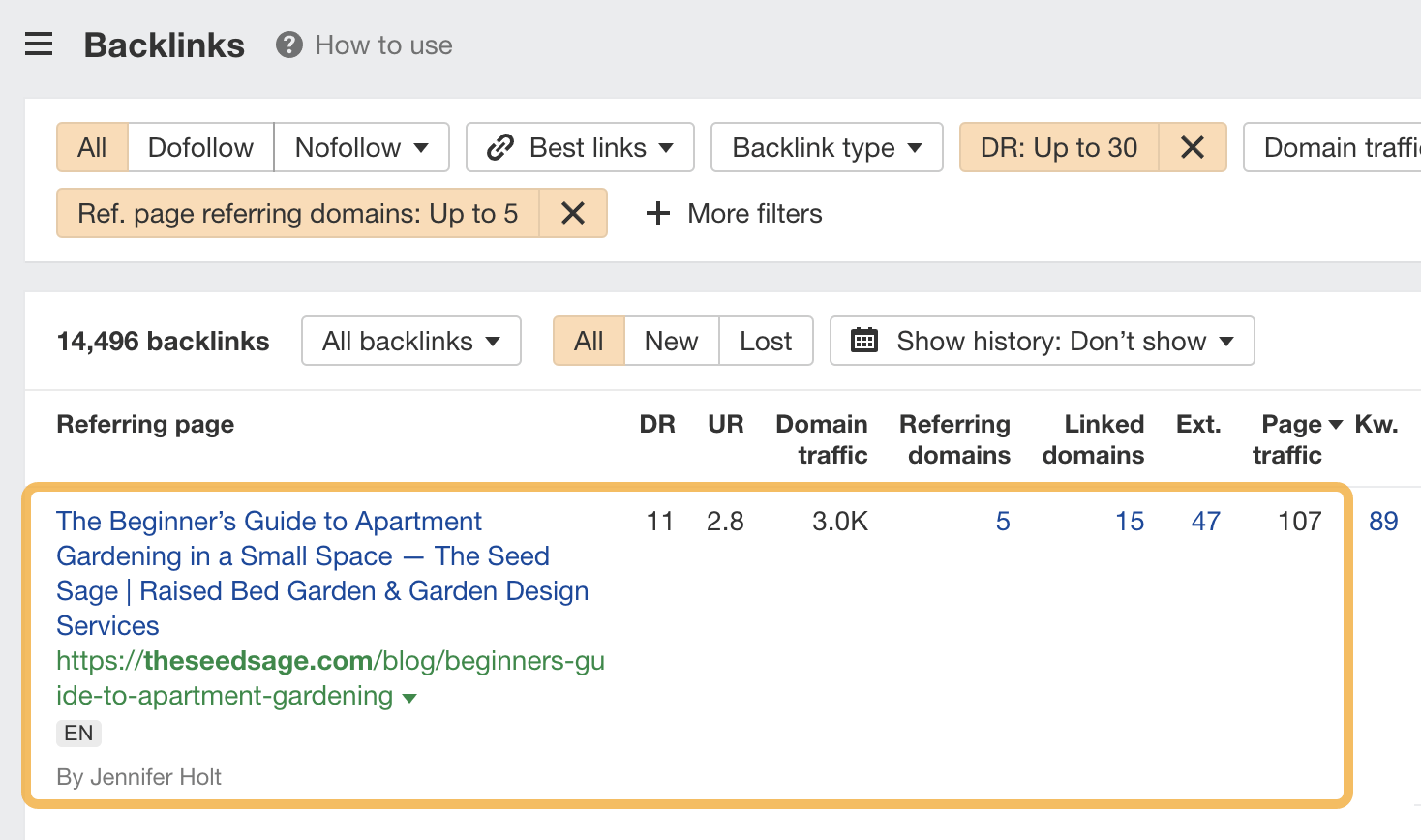
If I then filter for pages with few referring domains on relatively low DR sites, I can find some low-hanging fruit affiliate content ideas. For example, this beginner’s guide to apartment gardening lives on a low DR site, has few backlinks, and gets an estimated 146 monthly visits:
It’s clear that Google currently has a declaration of war against the content website model. This was marked by industry-wide losses in traffic in the September 2023 HCU update resulting in penalties that were never lifted by the content sites that were affected.

How to do it
I’d start by building an email list, and many affiliate marketers I asked agree.
Focus on retaining your audience by collecting email addresses and consistently engaging them.
Don’t just think like an affiliate, think about the user and focus on delivering what they need, don’t be scared to grab details, come up with some type of magnet to grab email addresses as this will increase the website value if you wish to sell down the line.

Matt does this effectively on Swim University by offering a free pool care cheat sheet in every post.
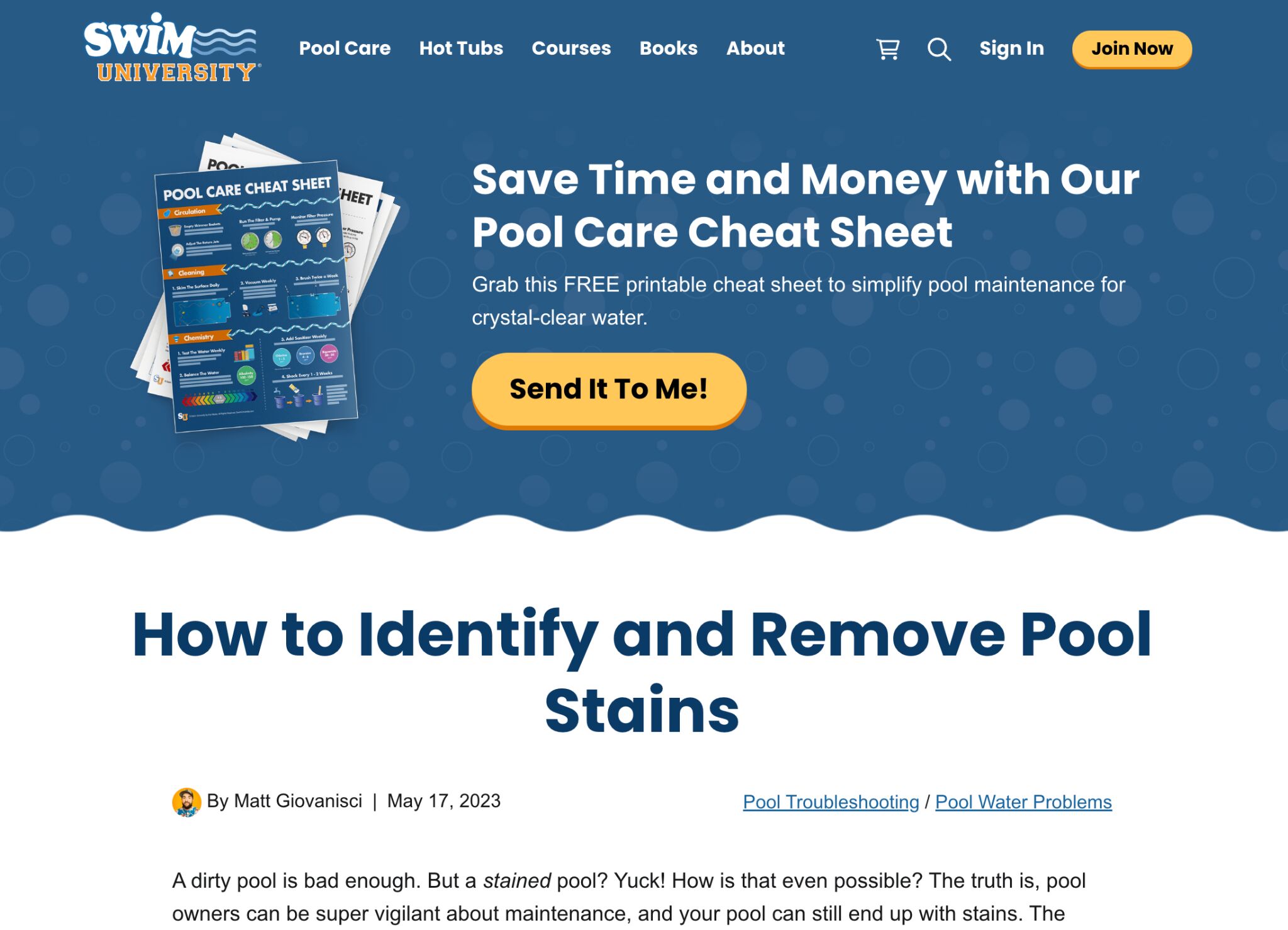
According to his homepage, this has helped him to build a list of 175K email subscribers—people who he can market offers to anytime he likes.
I’ve also seen people having huge success driving traffic from platforms like TikTok and Instagram…
For example, Sammie Ellard-King has built a following of over 150K on Instagram for his personal finance brand, Up the Gains. He uses engaging video content to drive followers to his free “money personality” quiz in his bio, which then recommends the best content (some of which promotes affiliate products) for each person.
I’d say my tip for affiliate marketers is to not burn all your bullets right off the bat but actually make promotion tools feel special.

How to do it
If you’re promoting offers via email, it’s all about tracking and follow-ups:
Promote your offer at full price via email, then track those who clicked the link and opened the email and promote the bonus/discount in a follow-up email (allowing me to promote twice, not just once).
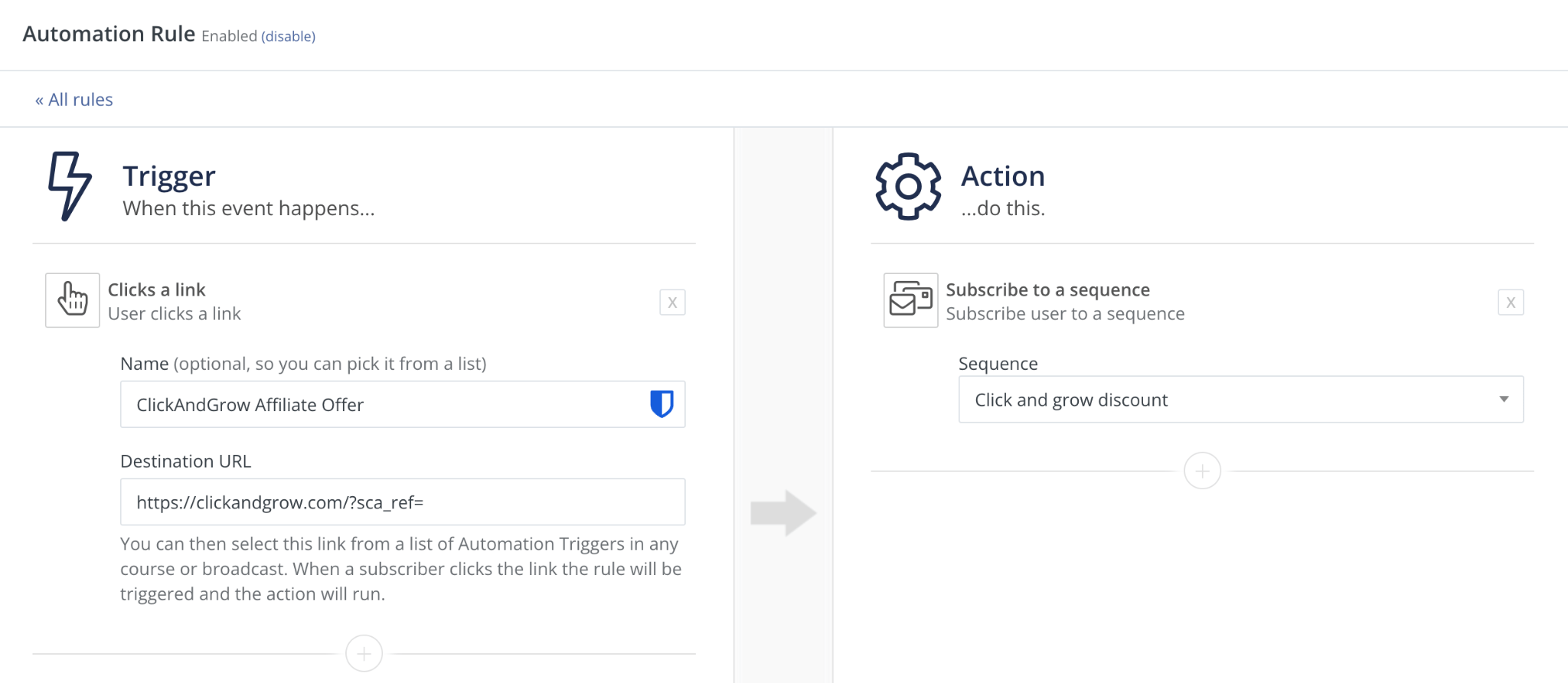
This is easy to do in most email marketing software. For example, you can create a simple automation rule in ConvertKit that subscribes a user to an email sequence when they click a specific link:
If you’re promoting offers on your site, Gael suggests using exit pop-ups:
On a web page, that would be promoting the full price/no bonus version in the main copy of the page and adding the bonus on an exit pop up, maybe with a timer, again to emphasize that this promo is special / limited.
You can even go a step further and add genuine scarcity to your offers with a plugin like Thrive Ultimatum that lets you create individual time-sensitive offers. For example, you could give anyone who clicks your link 24 hours to use the discount or claim the bonus.
Ranking your guest posts helps you dominate page one for key terms and boosts your relevance and authority, ticking crucial EEAT signals (and yes EEAT is more than just on-page, from our tests).


How to do it
A great way to start is by offering to refresh posts with declining search traffic where linking to affiliate content