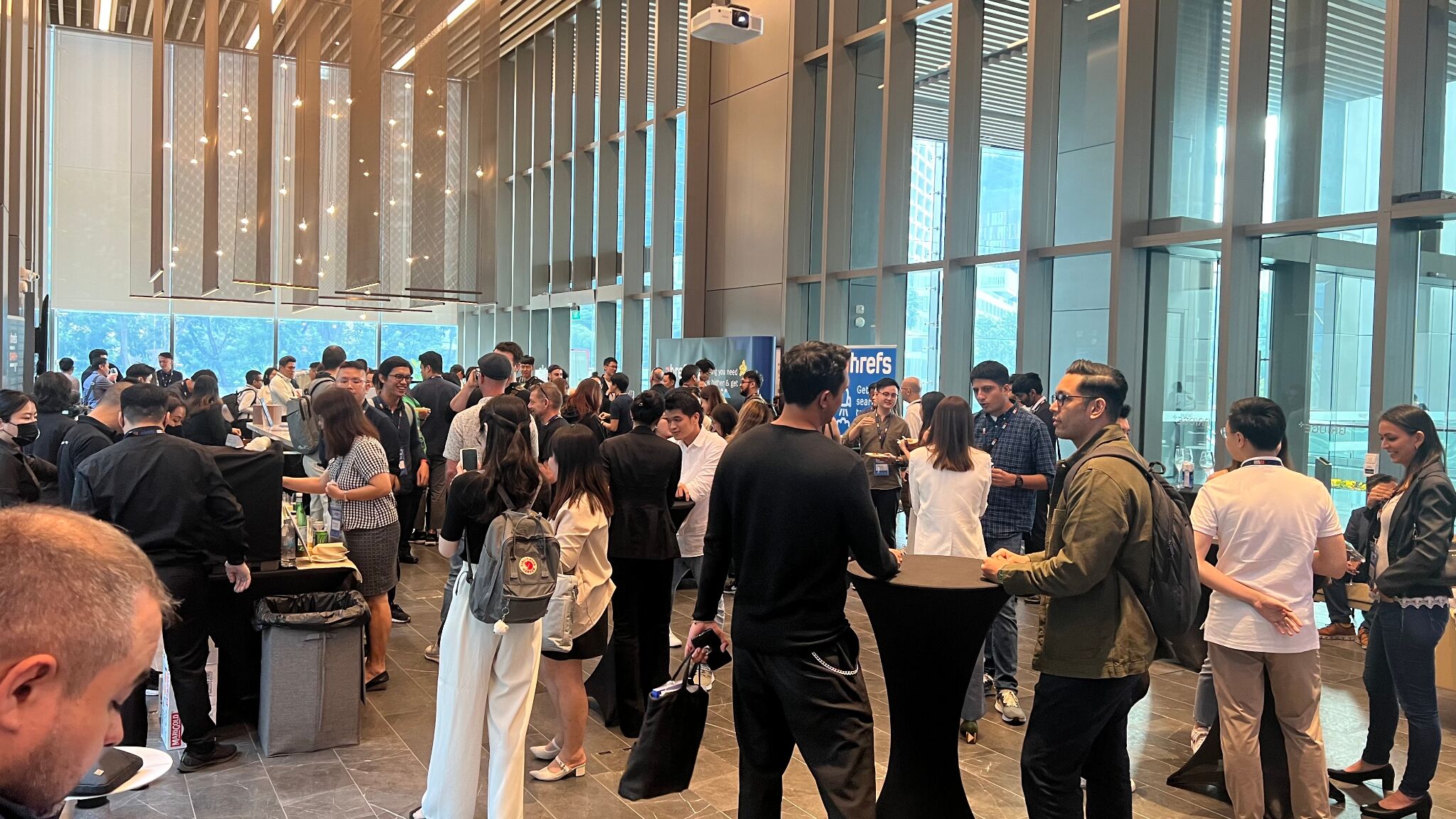
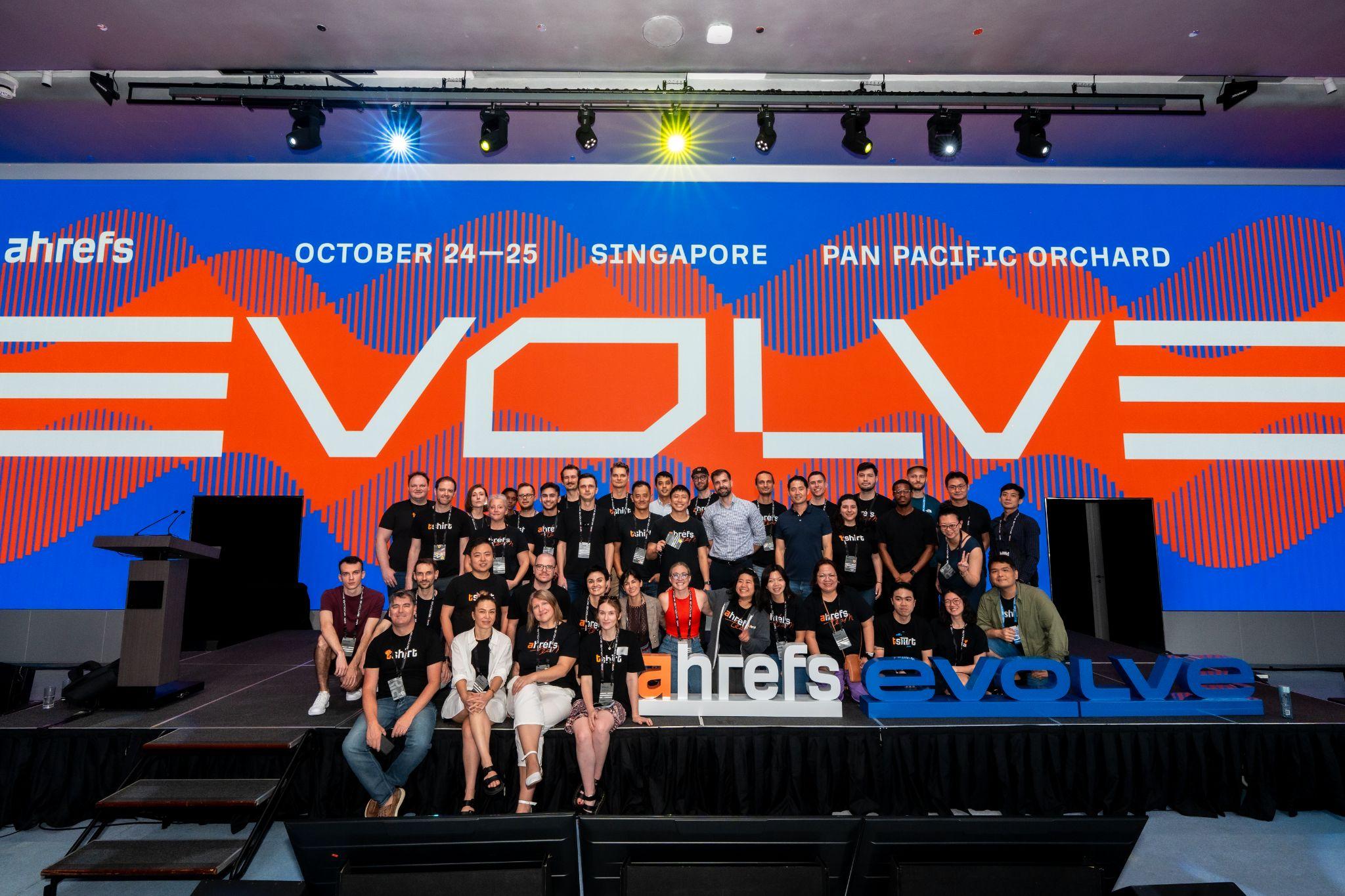
The Ahrefs team at Evolve
It wasn’t just a conference; it was an entire week of events. From Monday to Wednesday, we ran two paid workshops per day and then the conference on Thursday and Friday.
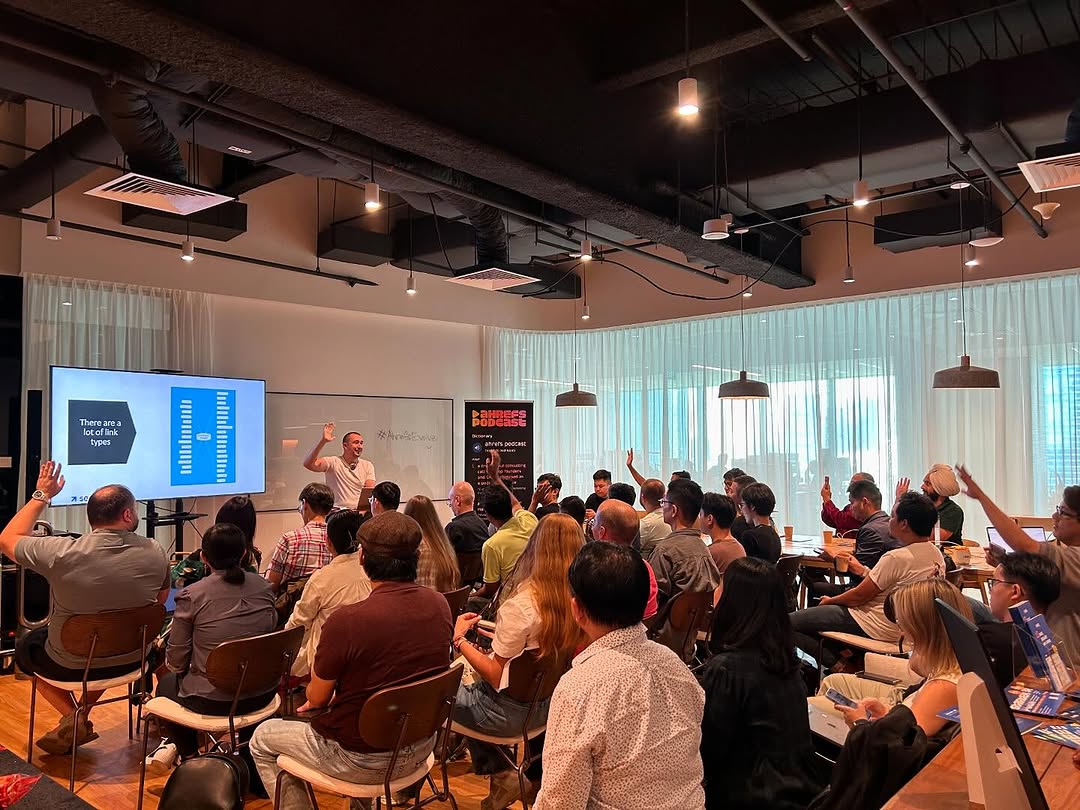
Before that, we ran online webinars, networking meetups, panel discussions, and even a smaller-scale conference. Suffice to say, we’ve had plenty of experience doing event marketing.
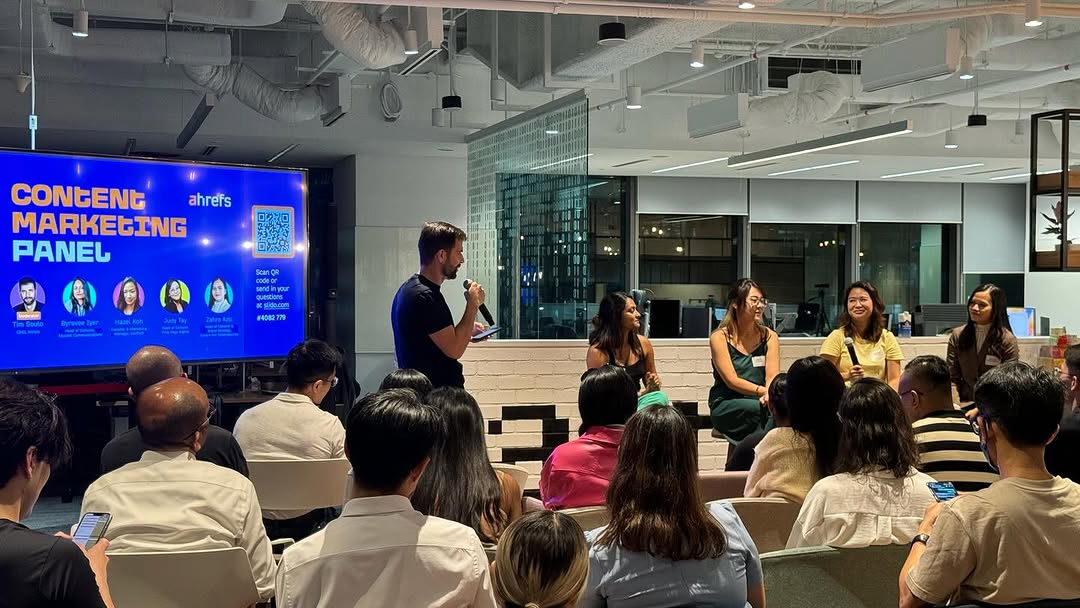
A content marketing panel we ran
But even though I’m writing this, I’m not the person behind it all. There is a brain behind all of our events, and that’s Shermin Lim, our events marketer.
So, I interviewed her to find out how we did it, especially how we took on such an ungodly task of organizing a multi-day conference with just a two-person team.
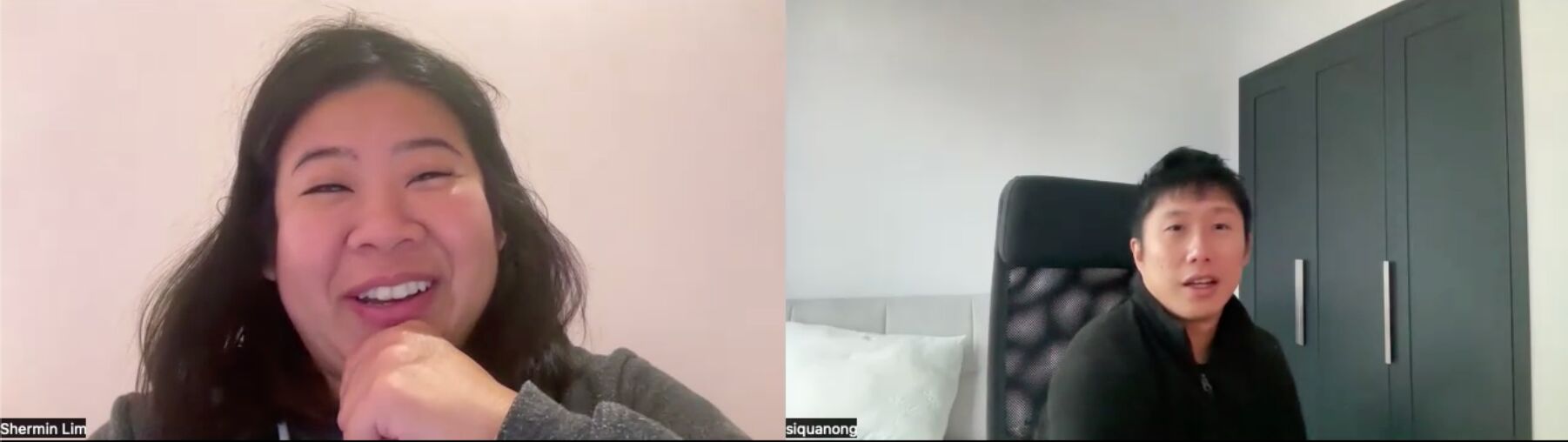
My interview with Shermin
This is our guide to event marketing, specifically focused on building up to an actual conference. You can use the same knowledge to scale up or down depending on your goals.
Event marketing is the planning and organizing of an event to promote your brand, product, or service. The event can be big or small, online or offline.
Now that we’ve gotten what Google wants to see out of the way, let’s get into our why.
We’re a mostly self-serve SaaS business, so why are we organizing events?
The answer is simple: Business is social. Humans are not logical, rational creatures that buy everything based on pros and cons. We buy because there’s an emotional and human connection to the brand or the people behind the brand.
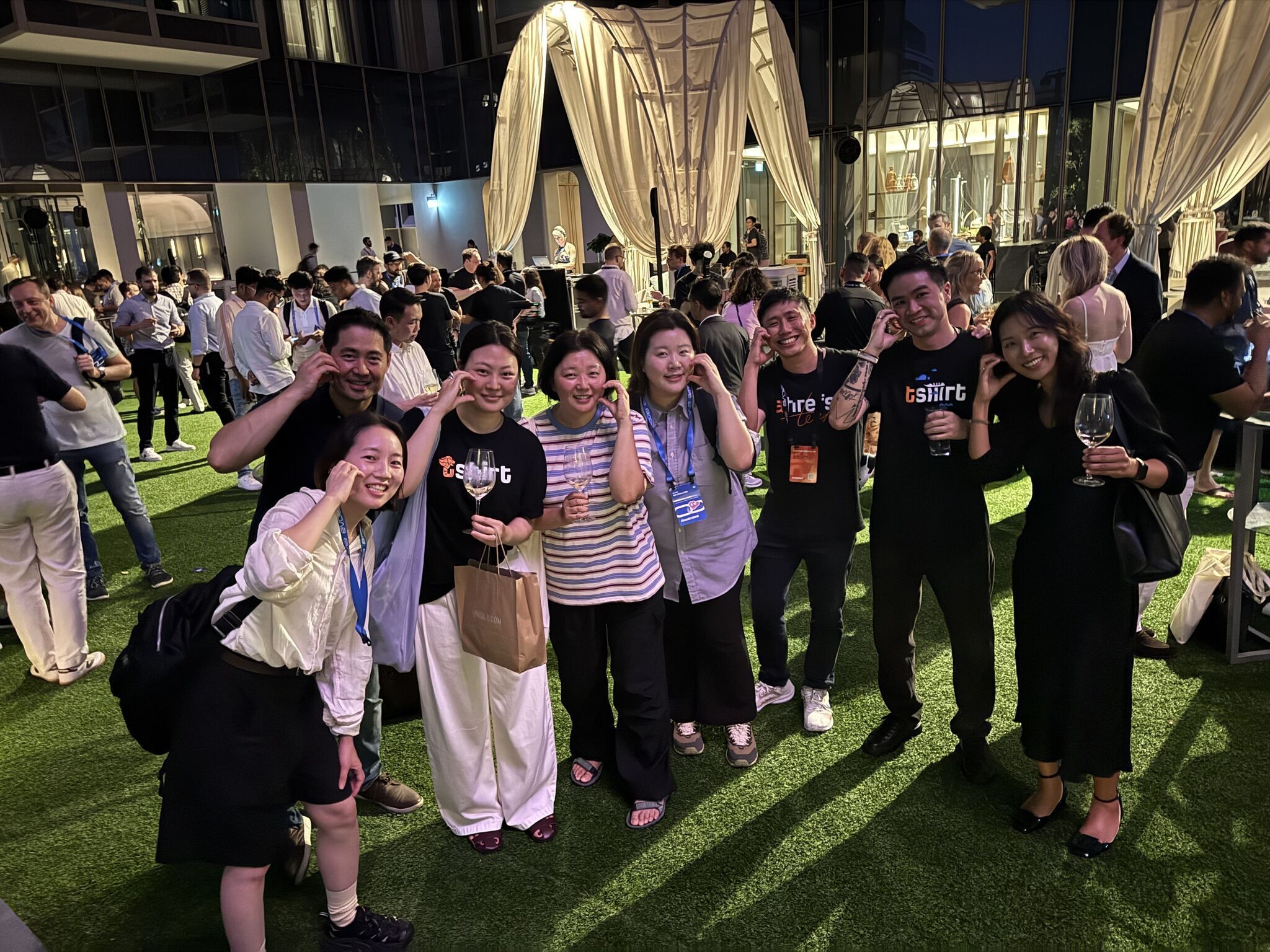
How can you not do the cheek heart pose if you’re taking pictures with Koreans?!
And nothing in this world beats seeing them in-person. I think we all learnt this lesson deeply during the pandemic. This core rationale trickles down to the other reasons we can list out on why we run events and even a conference:
- Provide a great, in-person event for our existing customers to hang out, network, learn from each other, and potentially build partnerships or do business together.
- Hang out with our customers, talk to them, learn about them, give them our beloved swag, and (hopefully) endear them to us.
- Let our enterprise sales team talk (in person) to our top customers.
- Educate our customers about our new product features and how to better use them
- Get non-customers to drink our Kool-Aid, buy into our brand, and convert into customers.
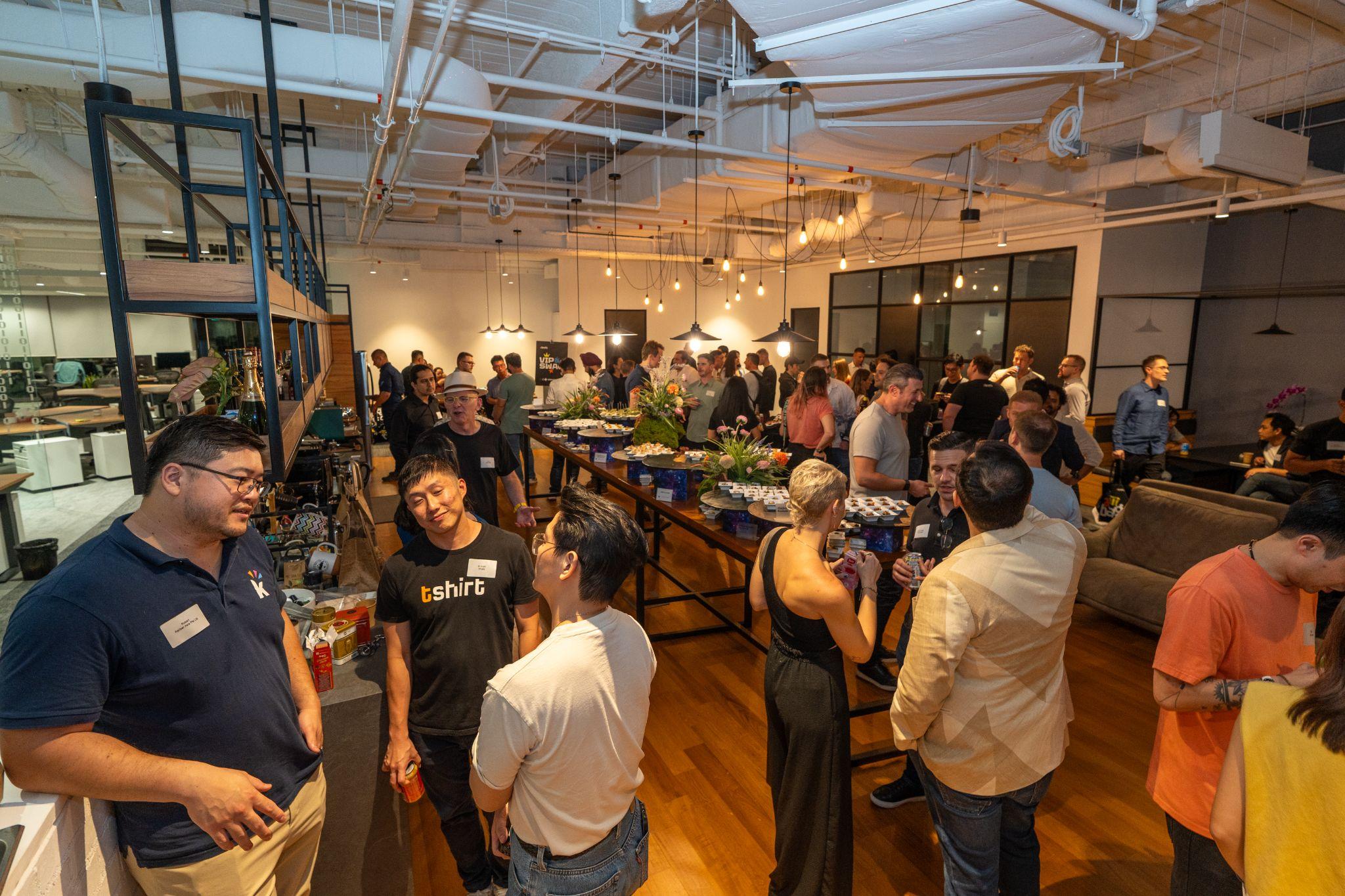
VIP networking night at the Ahrefs office, the day before Evolve. I’m not sure why I look so impressed.
If these reasons compel you too, then keep reading to learn how to do event marketing for your brand.
Like everything else in life, your goals determine where you should be going. In this case, it’ll help you decide if you should actually organize an event for your business.
After all, organizing an event from start to finish can be expensive. Most things, like food, venue, and audiovisual (A/V) cost money. And even if you’re not providing food, using a free space, and not running talks, you’ll need manpower. Part-timers cost money. And even if you use your own staff, remember you’re sacrificing work days.
For example, I lose the hours I could use to create content whenever I attend or speak at an event. FYI, that’s not necessarily a bad thing. Speaking at events builds my personal brand, which increases my “authority”, and in turn, creates all sorts of unmeasurable benefits for my content.
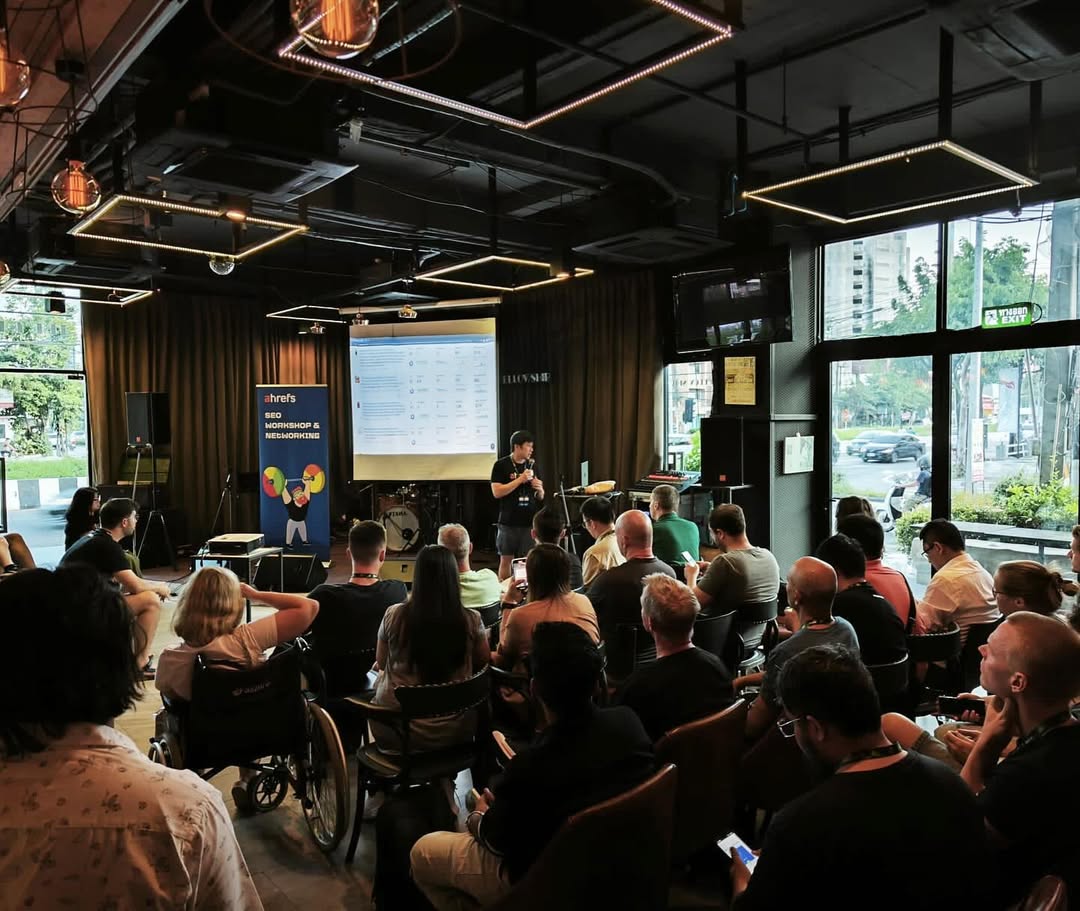
Me giving a workshop in Chiang Mai
Again, it goes back to your goals. What are you trying to achieve?
You can use any type of framework you prefer, like SMART, OKRs, or BHAG. It doesn’t matter. What matters is that you have a goal and direction.
By the way, even if you think events are a great marketing channel for you, consider sponsoring them first. In fact, before we ran Ahrefs Evolve, we sponsored other conferences for years.
Like Chiang Mai SEO for >seven years:
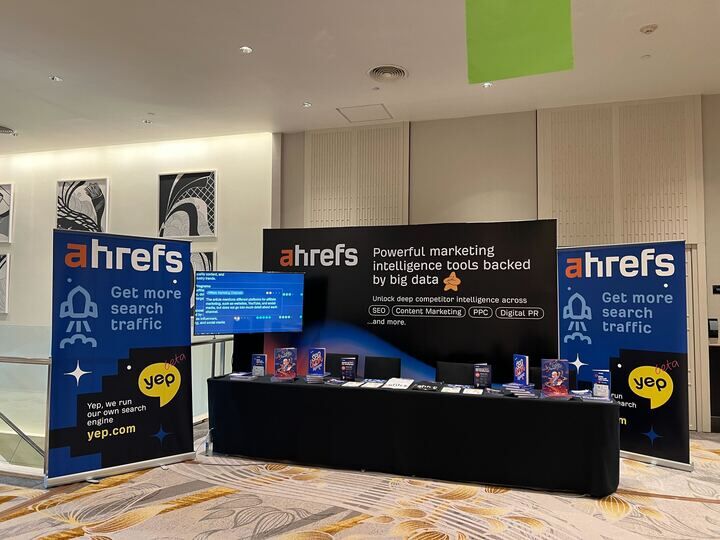
Our booth at Chiang Mai SEO 2024
BrightonSEO for a few years now:
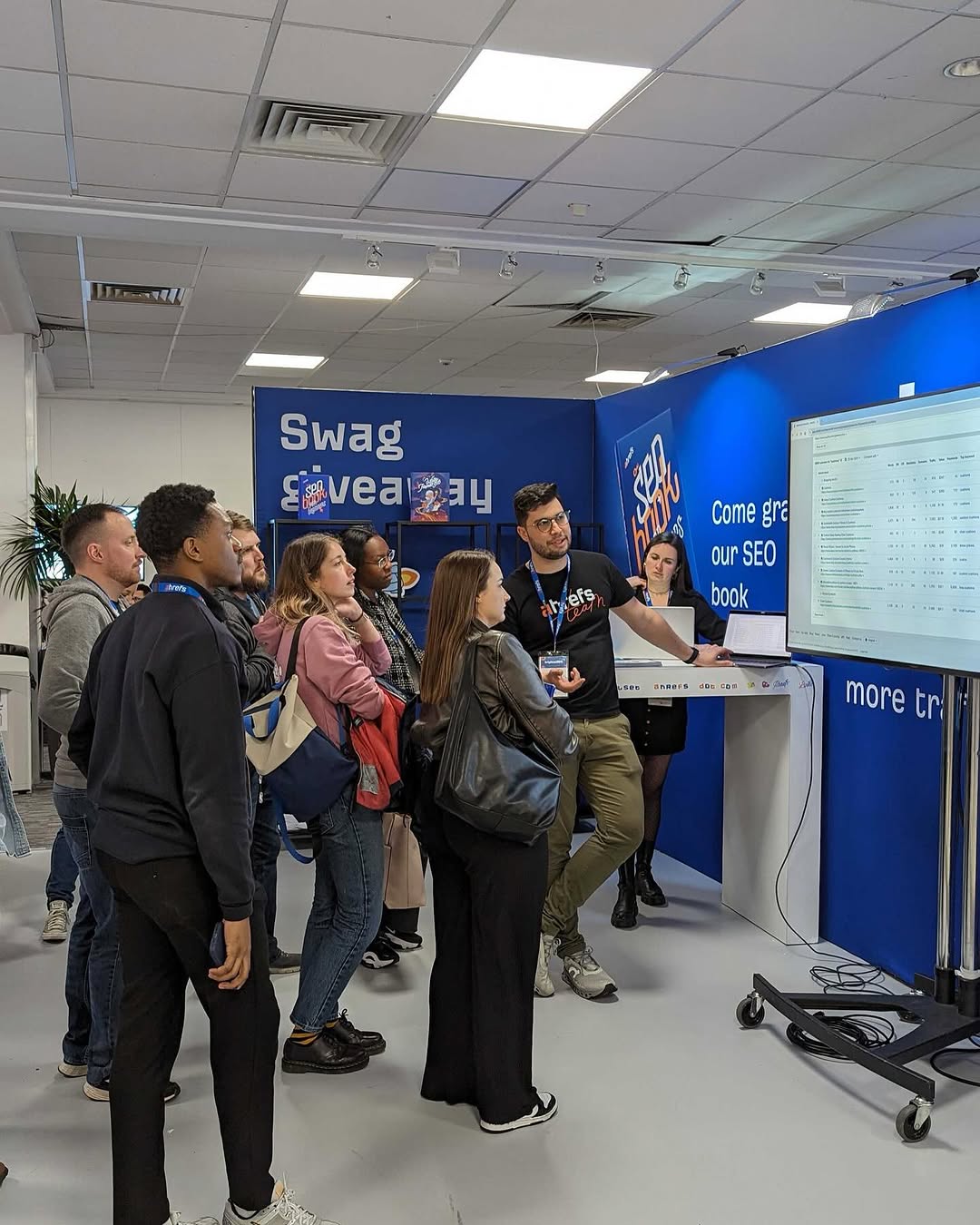
SaaStock:
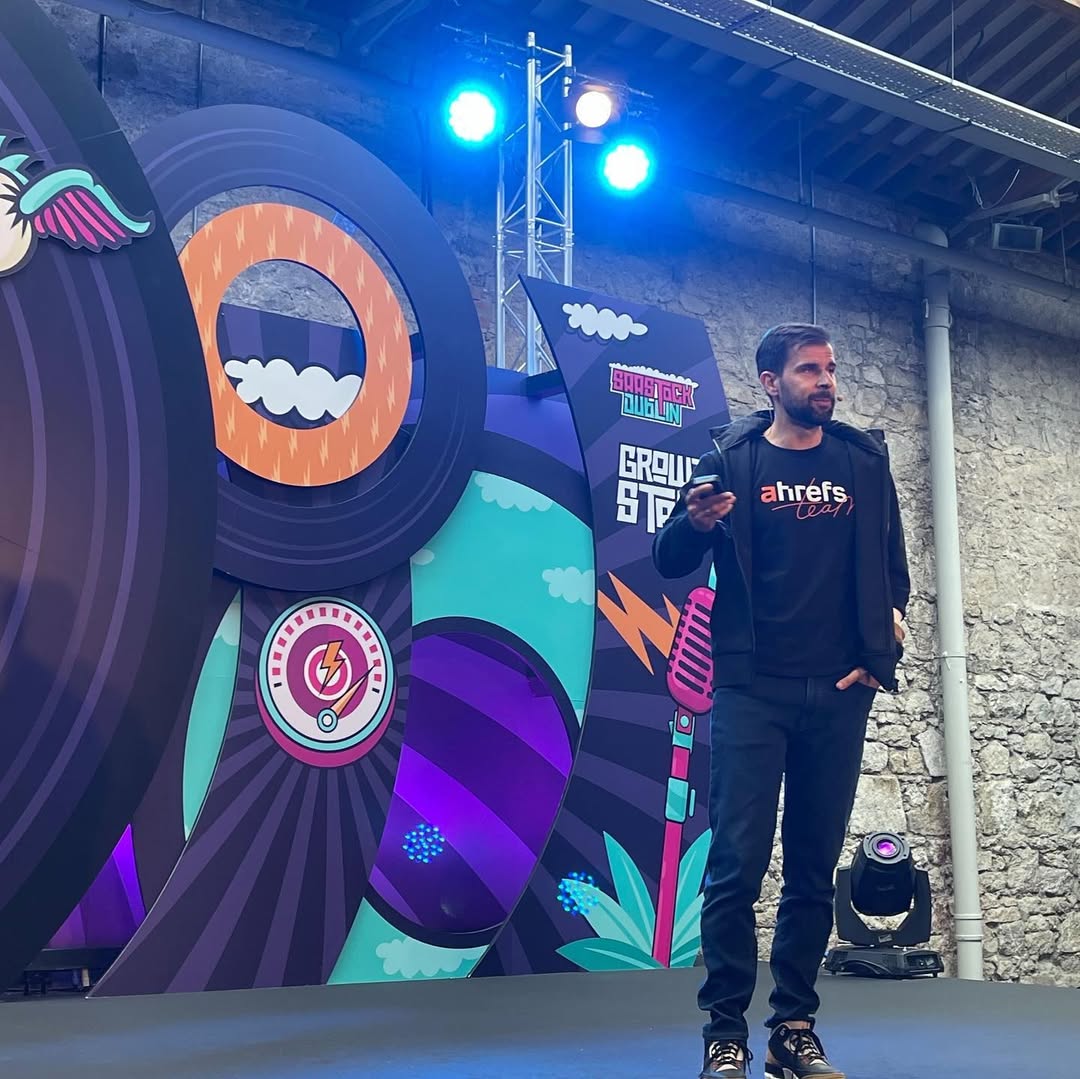
And a whole host of other events:
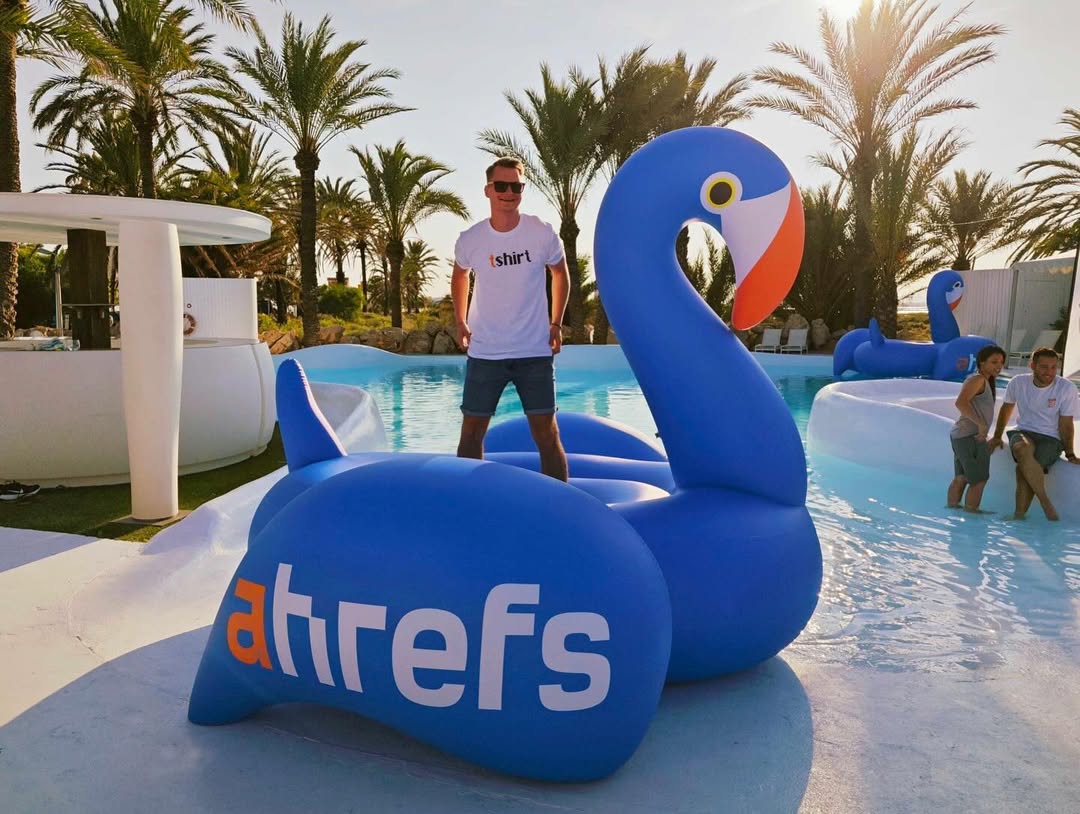
I think the experience of sponsoring and attending other conferences gave us a lot of insights into making our own conference. As sponsors and attendees, we knew what people wanted, what they liked, and what they disliked.
Knowing your target audience determines what kind of event you’ll run and what kind of speakers you’d invite. It’ll also help sponsors to decide if they want to sponsor your event.
For Ahrefs Evolve, we decided we wanted to bring top digital marketing professionals together, and not just SEOs.
That informed our eventual speaker line-up—we had speakers who presented about account-based marketing, performance branding, TikTok, and more.
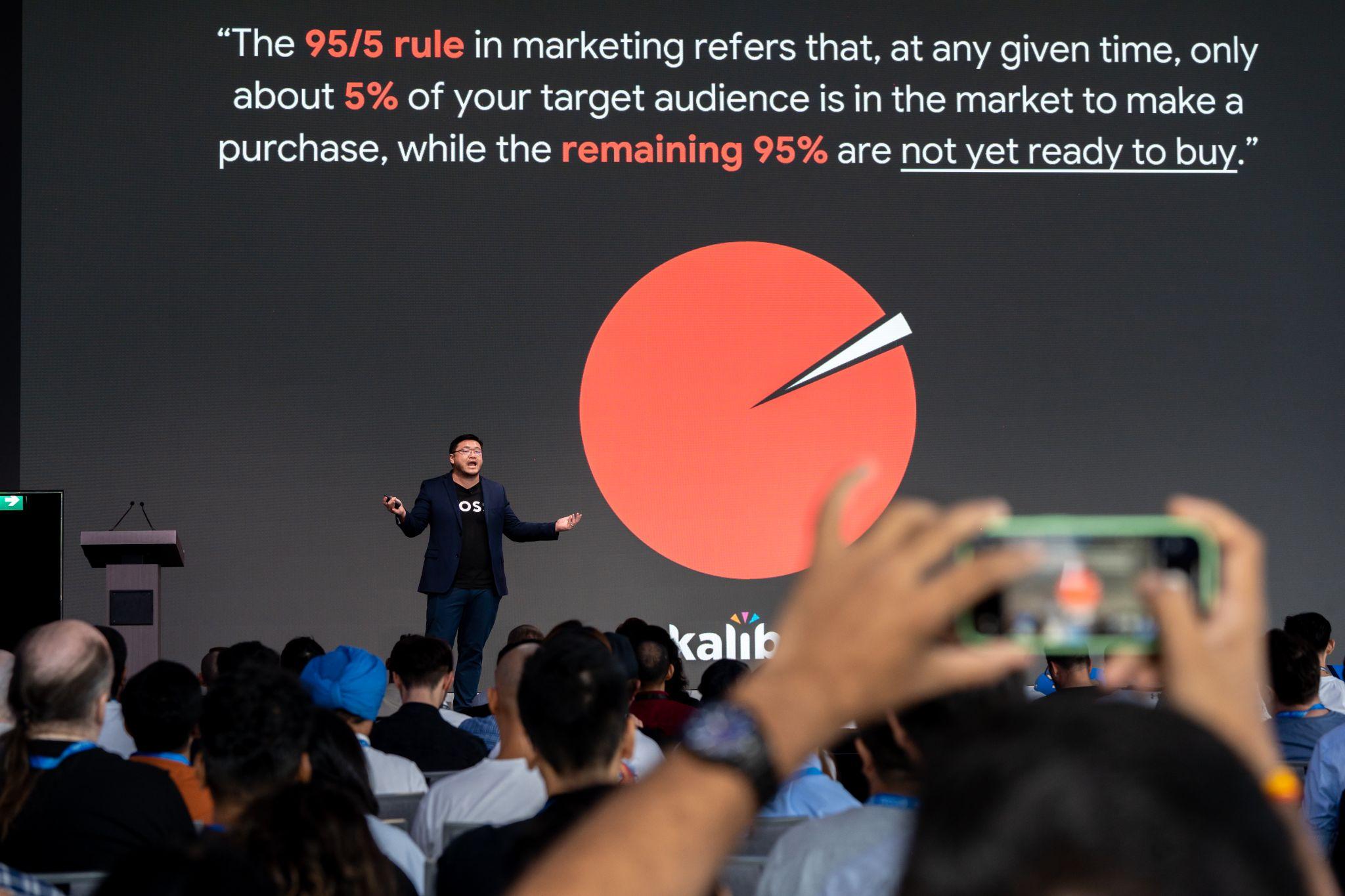
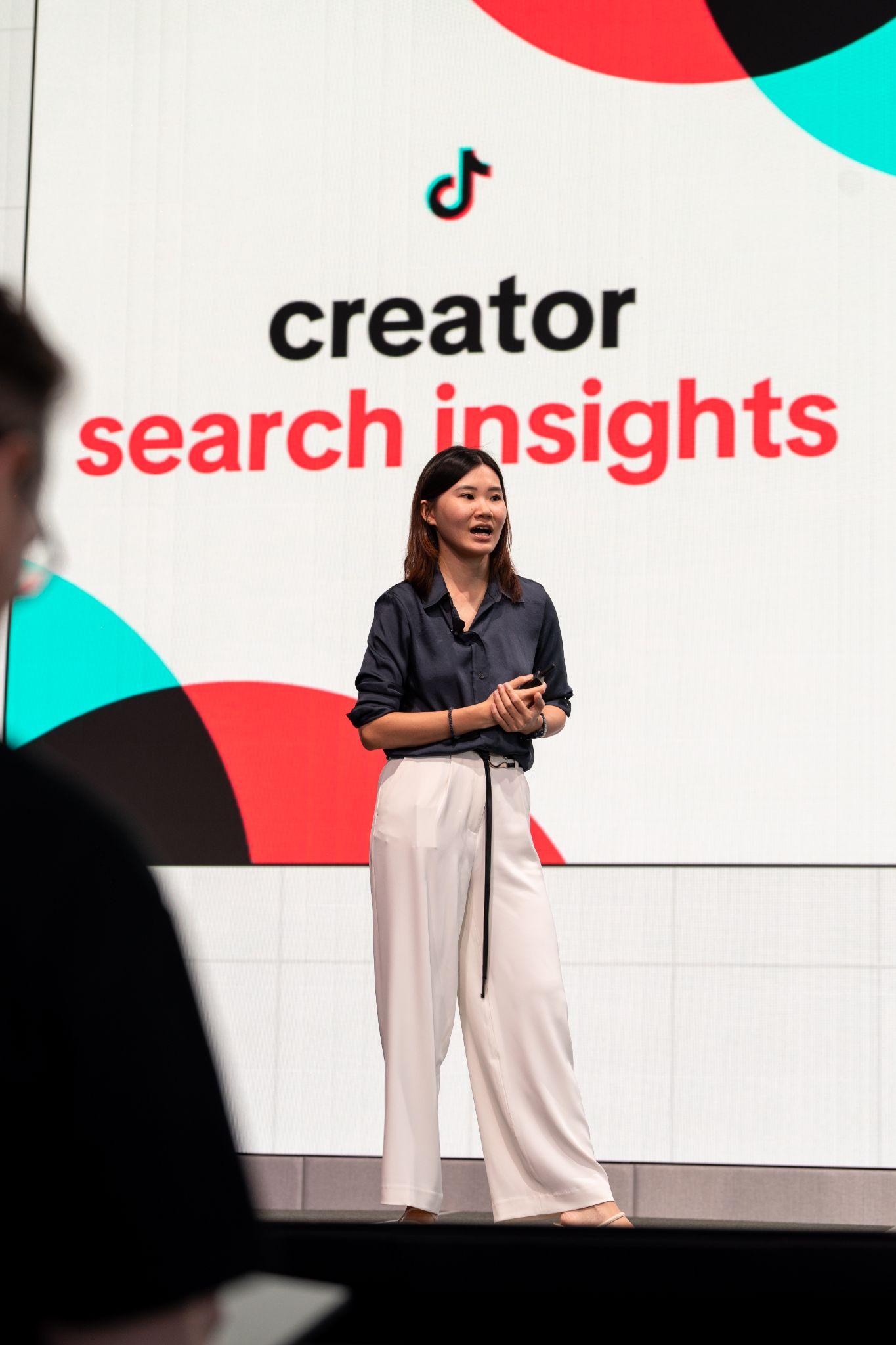
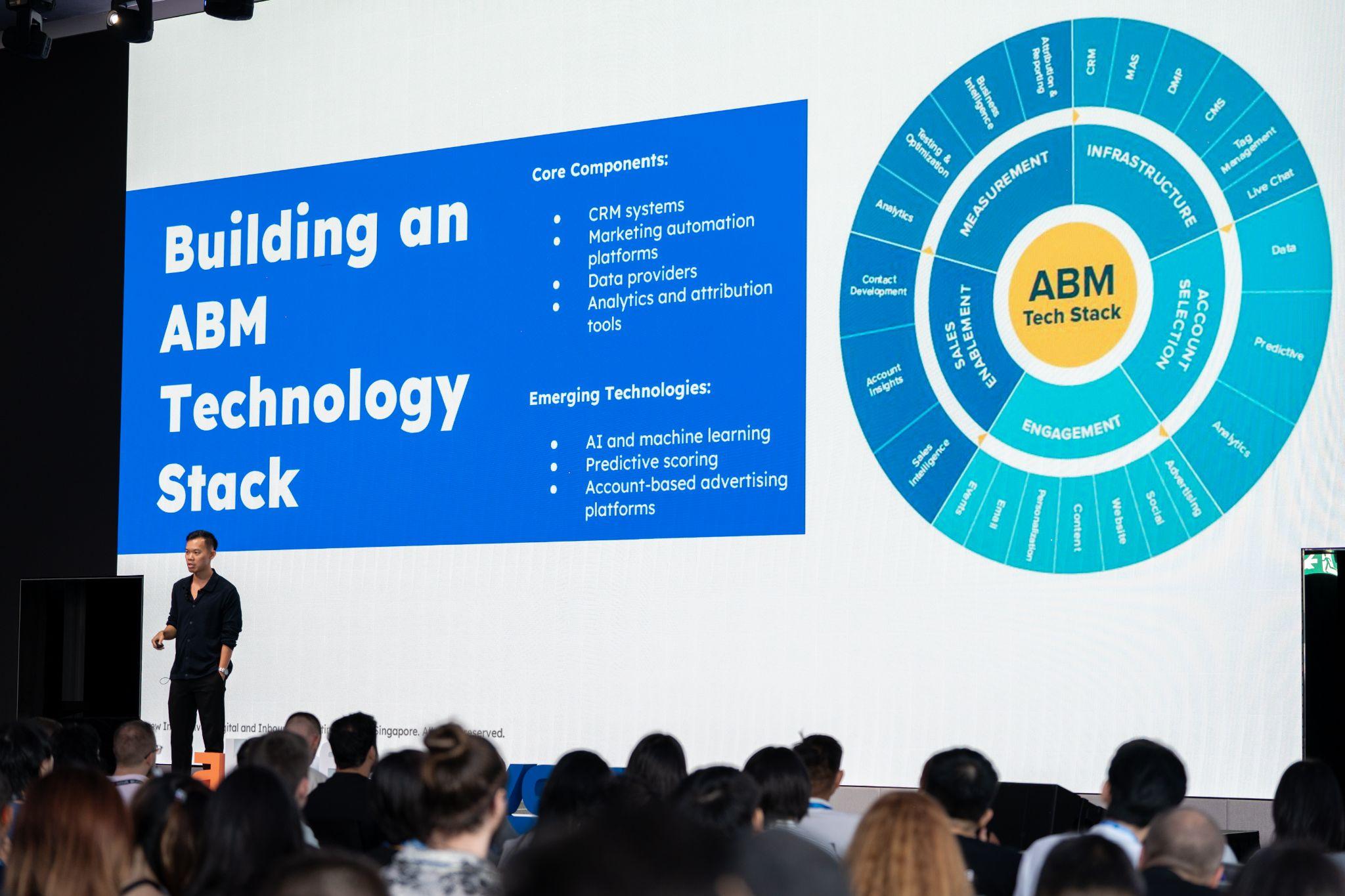
Many companies dream of a major conference with their brand name splashed on it.
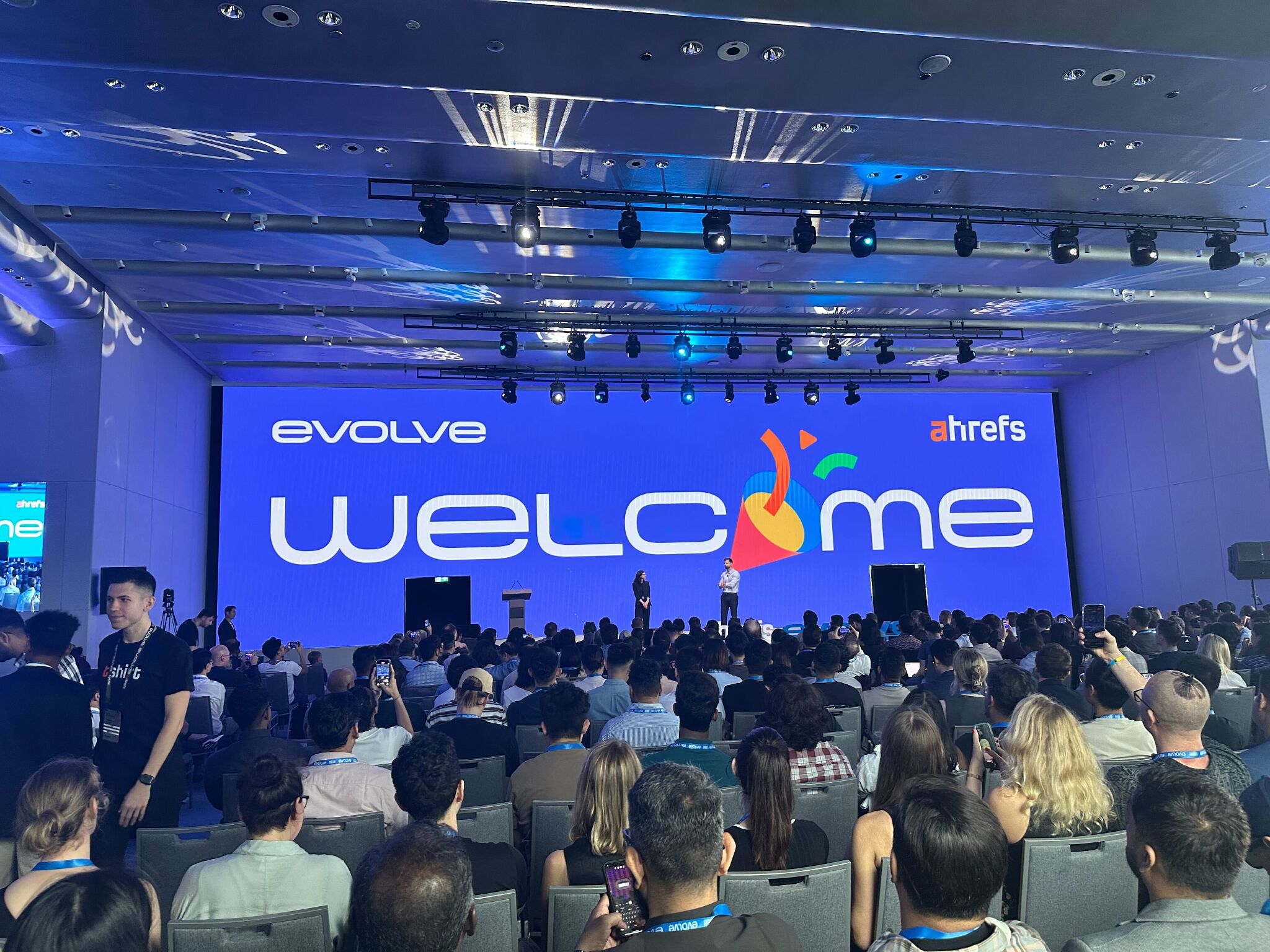
But it would be a huge mistake to jump right into creating a conference. Even for us—widely considered the top tool in our industry—it took us years before we even made Evolve.
Here’s how our journey unfolded:
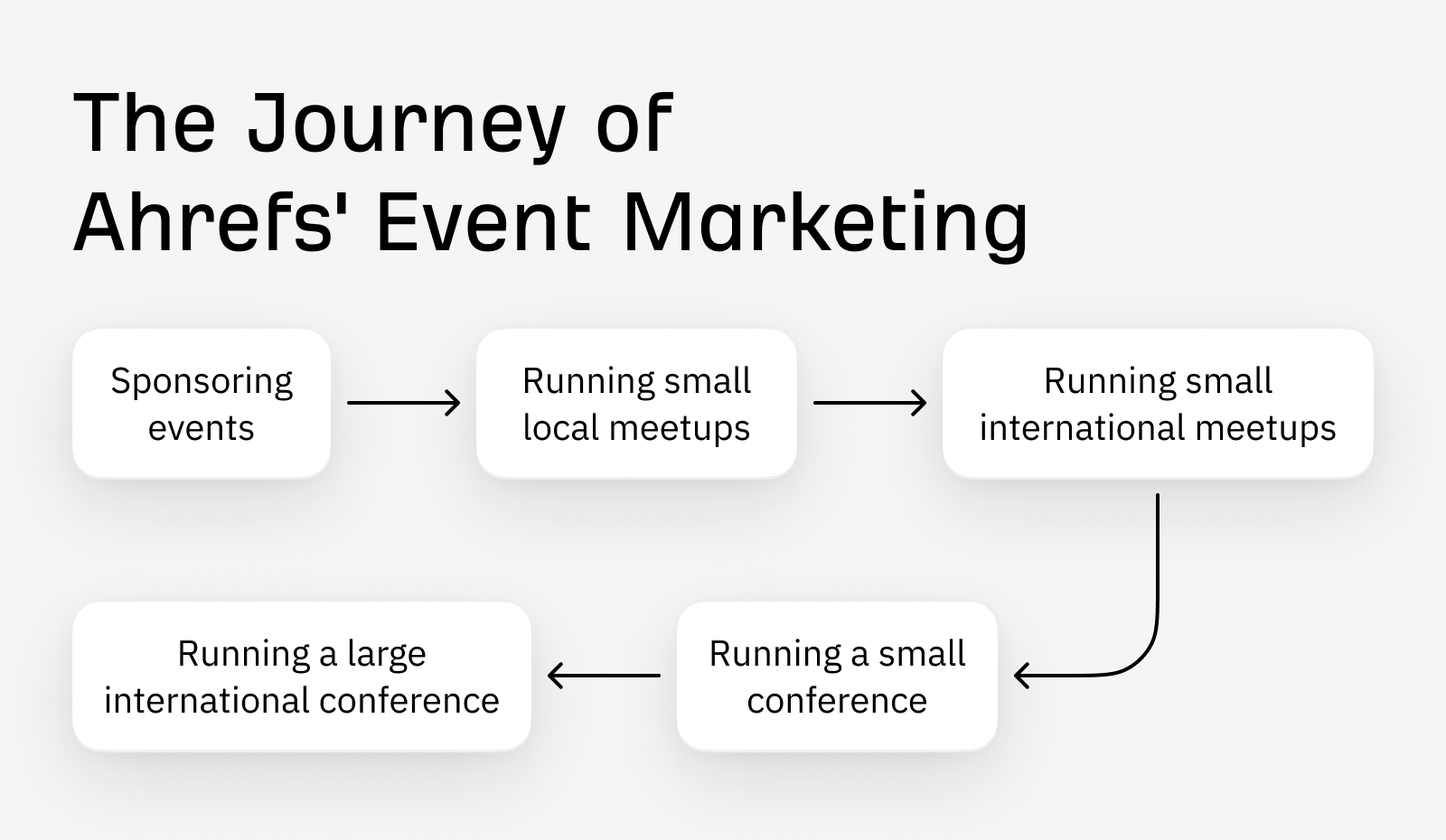
As I’ve mentioned, we started sponsoring events first. Then, when we decided to put our foot down on the channel, we started with light networking events (SEO Beer and Snacks) that we hosted at our office.
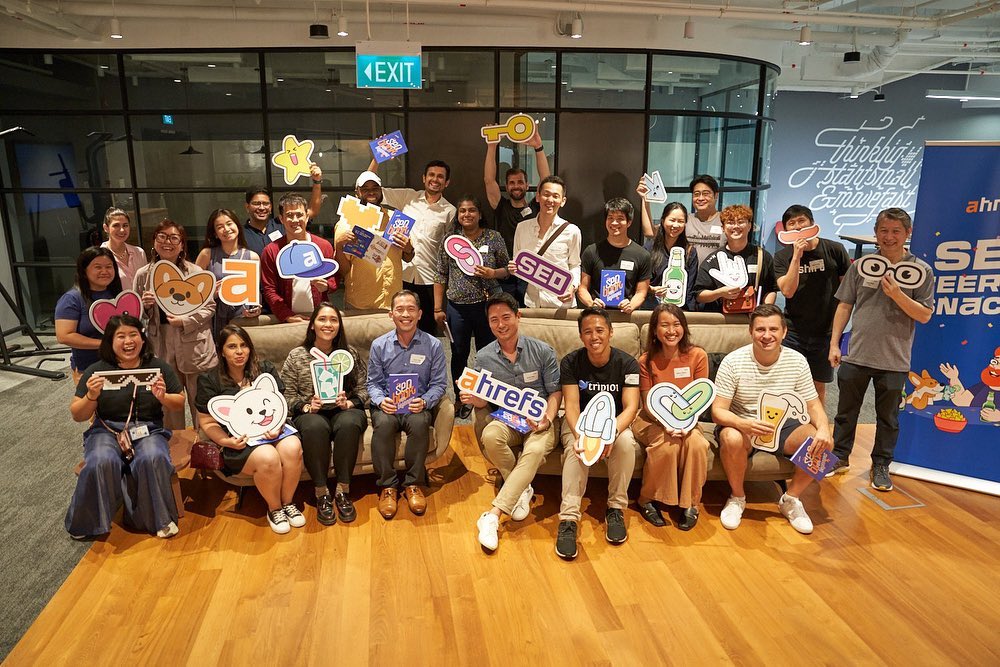
Our first ever SEO Beer and Snacks
There was no agenda—just SEOs and digital marketers having a drink and chatting with each other.
Then we started to build from there and slowly increase complexity. We started to make the meetups educational by having presentations and panels.
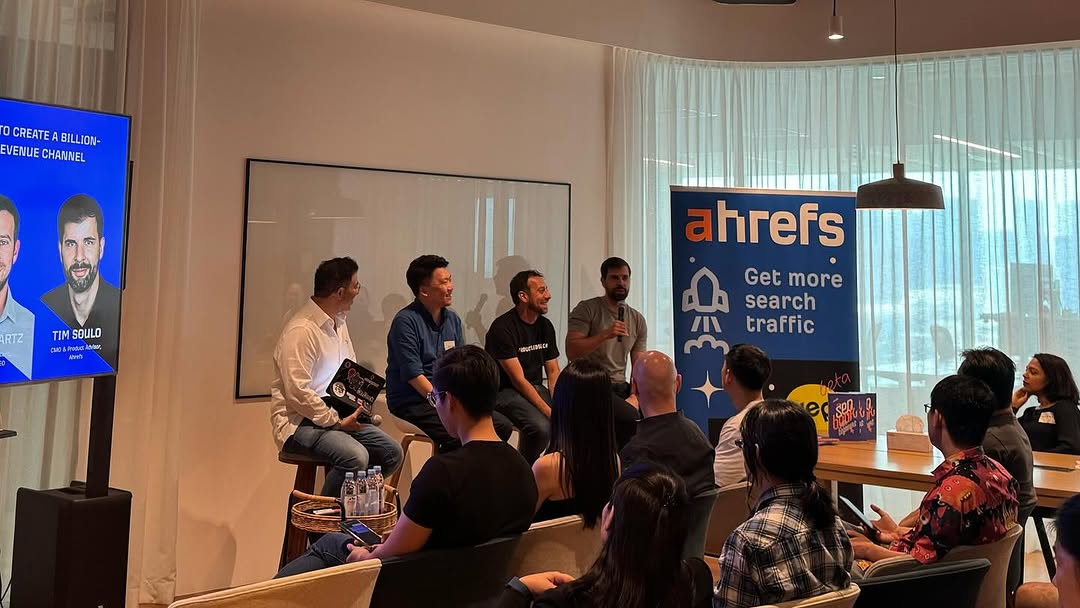
A panel we ran on “Using SEO to Create a Billion-Dollar Revenue Channel”
Next, we turned it into actual paid workshops.
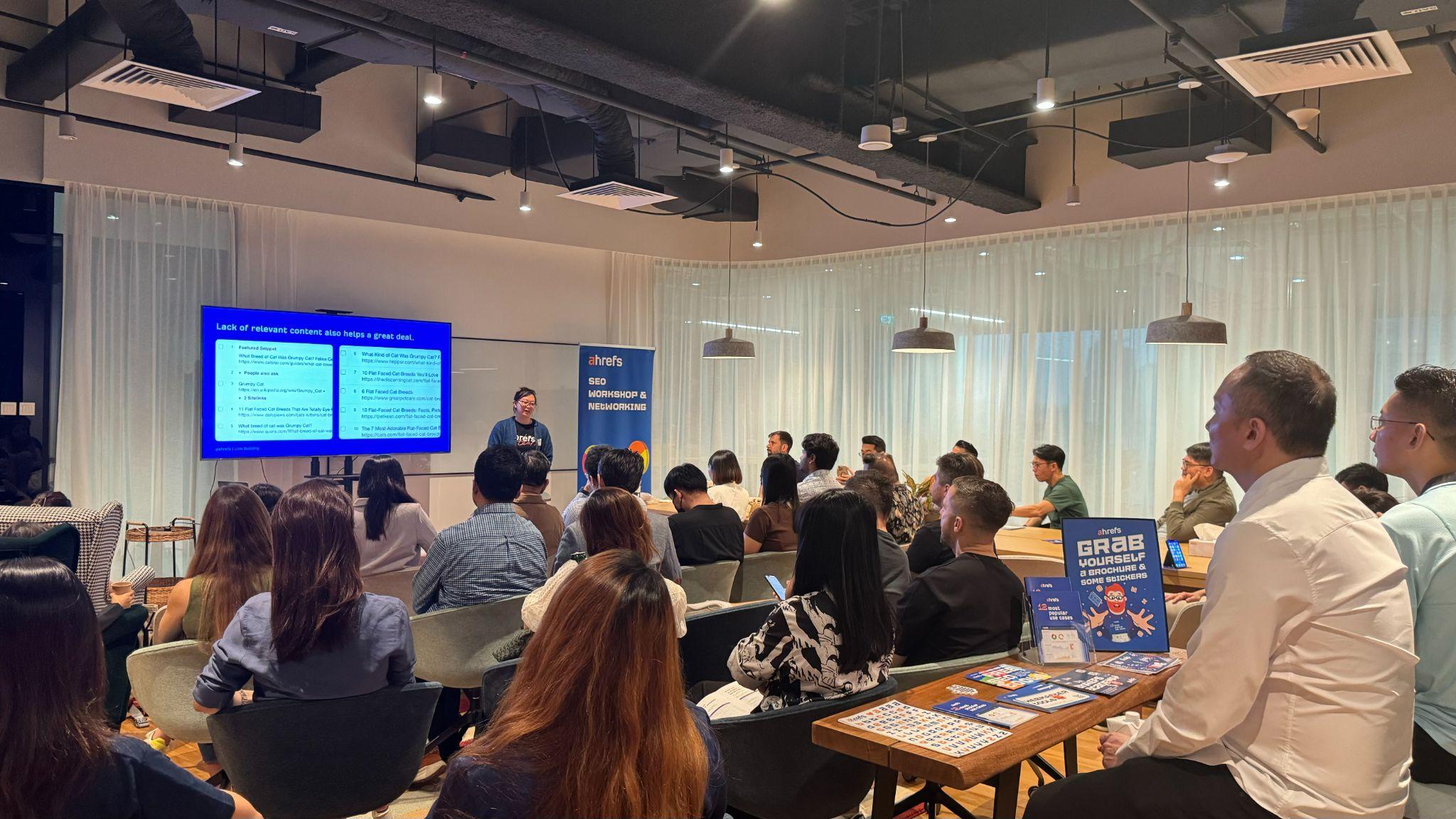

We then started doing these paid workshops at conferences we were already sponsoring, like Chiang Mai SEO.
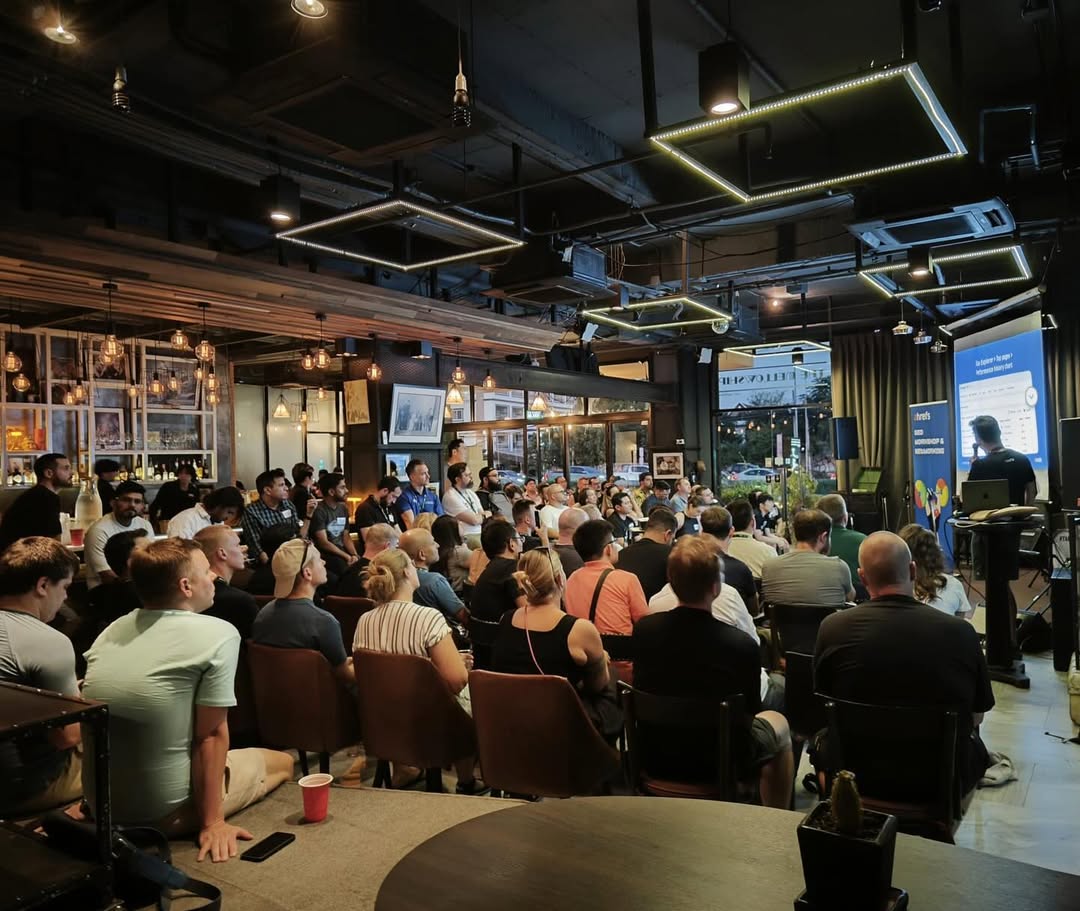
Andrei giving a workshop at Chiang Mai SEO
It eventually culminated in a smaller conference that we held in 2023, called the Singapore SEO Summit.
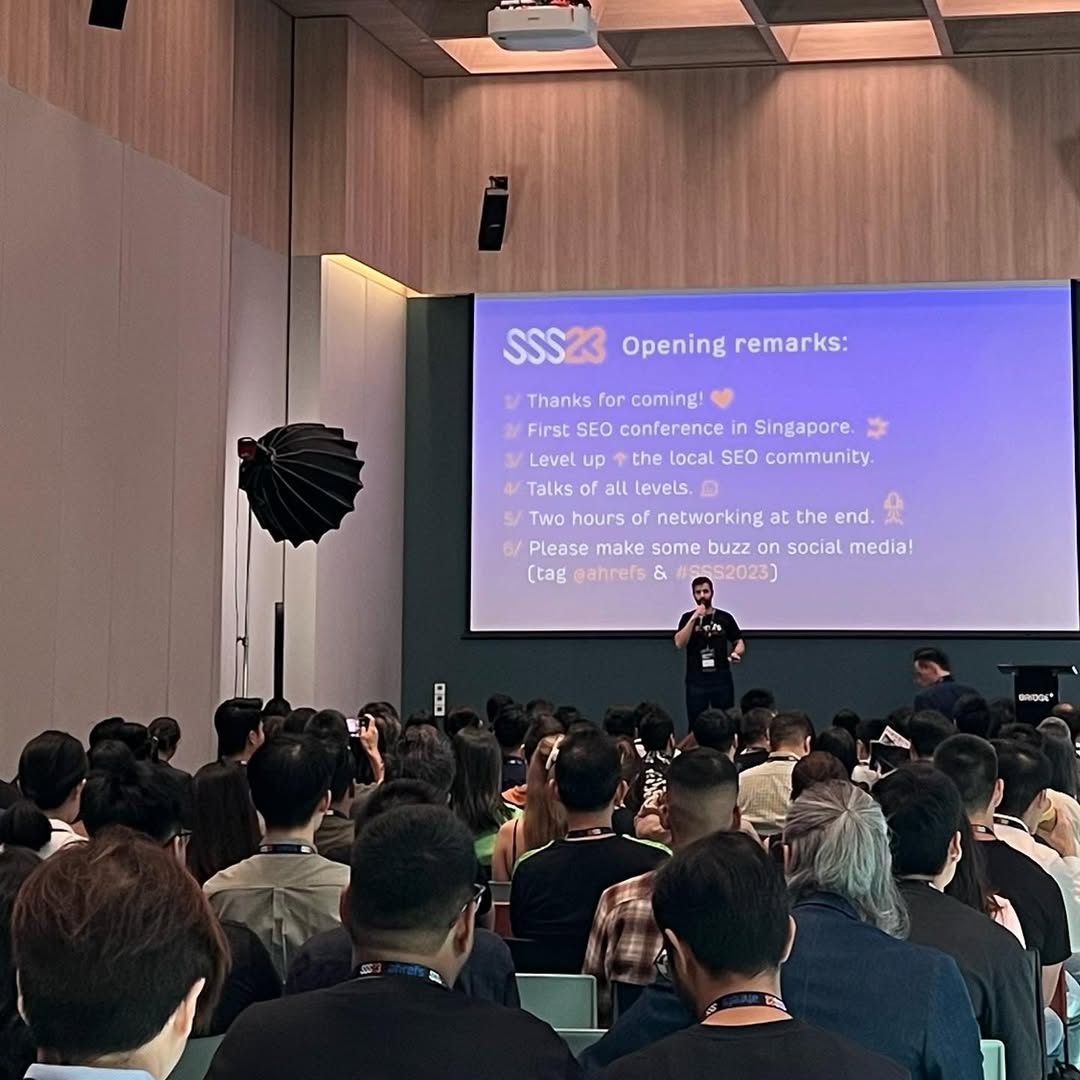
Tim kicking off SG SEO Summit 2023
We got a small venue, marketed it only to Singaporeans, and limited the tickets to 200 people. Most of our speakers were locally based too, except James Norquay and Nik Ranger, who were from Australia.
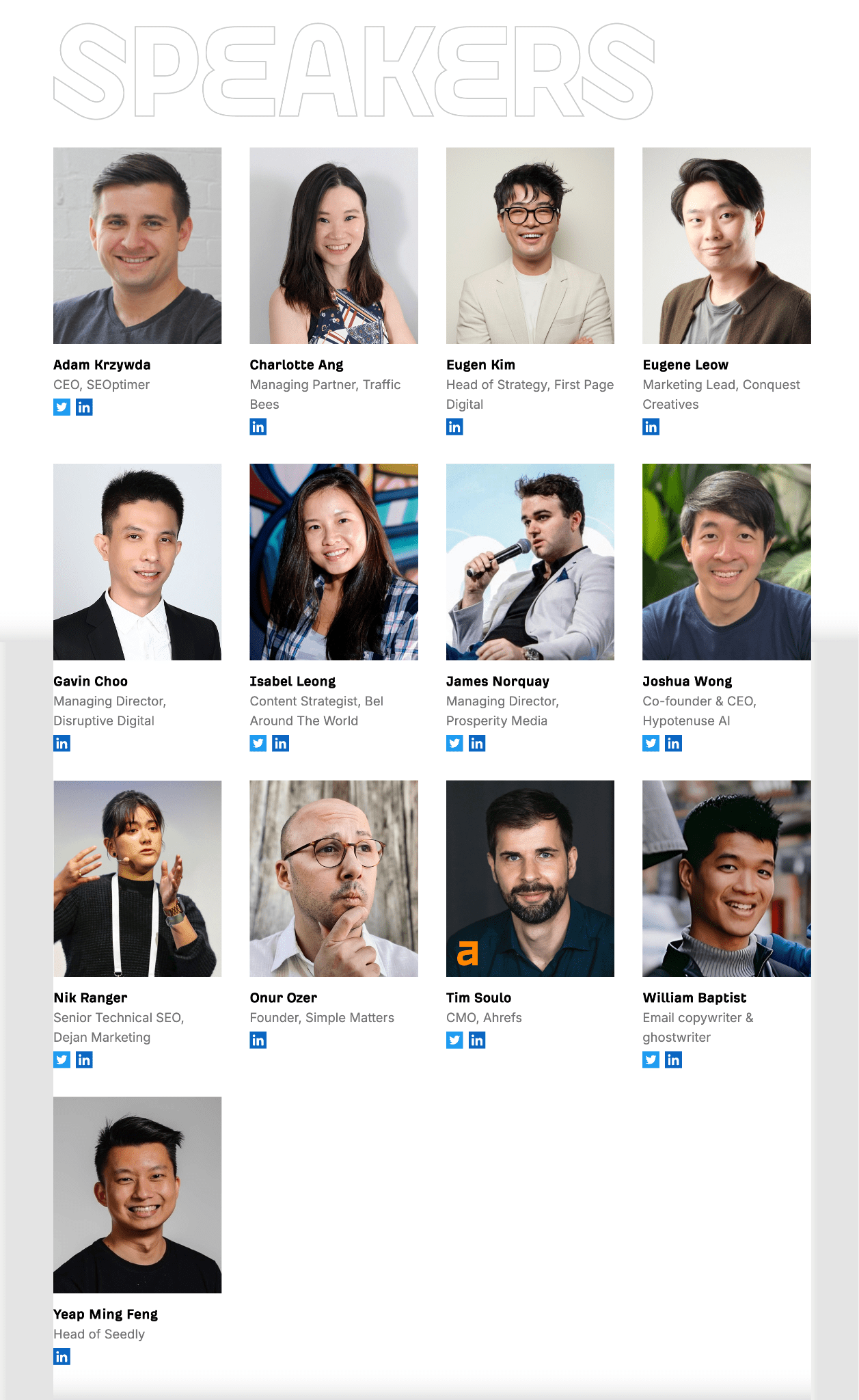
While the conference wasn’t sold out, it gave us confidence in scaling up and running an international one. After all, it did well despite:
- No “big name” speakers
- Shorter timeframe
- Marketing only to locals
Most importantly, we learned that people were happy to fly all the way to Singapore just to attend an Ahrefs conference. We had attendees from Thailand, Indonesia, Malaysia, Philippines, and even South Korea.