

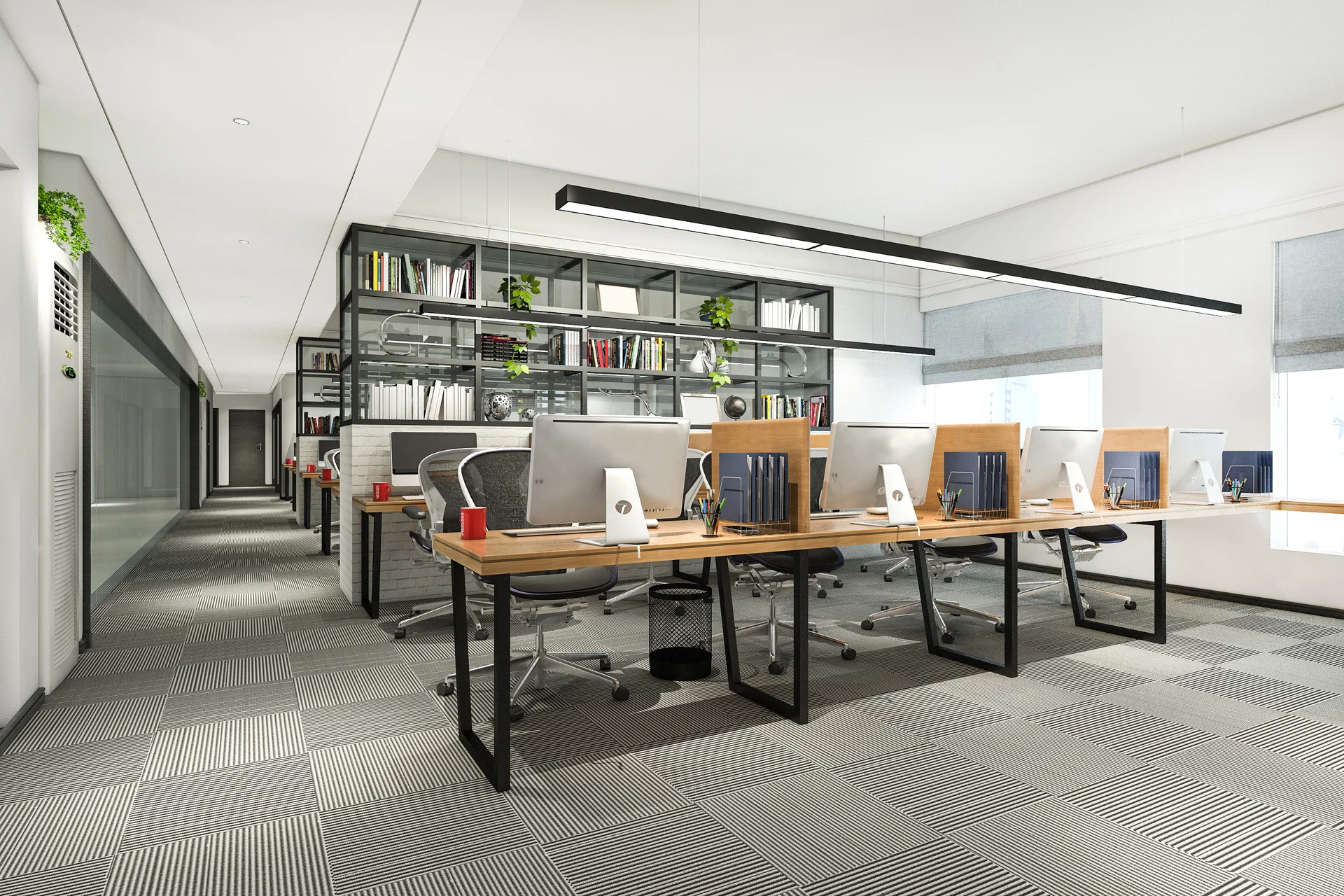
Hot desking provides several advantages for organizations and employees working within modern flexible office environments. These benefits improve workspace efficiency while supporting collaboration, productivity, and long term cost management.
1. Cost Savings for Businesses
Hot desking allows companies to reduce the number of permanently assigned desks within the office environment. When fewer desks are required, organizations can reduce office space requirements and lower long term real estate costs. This strategy is especially beneficial for hybrid workplaces where employees visit the office on different days.
2. Better Use of Office Space
Traditional office seating often results in empty desks when employees are traveling, working remotely, or attending meetings. Hot desking ensures that desks are used only when employees actually need them during the workday. Organizations can optimize office layouts and convert unused areas into meeting rooms, collaboration zones, or quiet workspaces.
3. Greater Flexibility for Employees
Hot desking gives employees the freedom to choose workspaces that best match their daily tasks and responsibilities. Workers may select quiet zones for focused work or collaborative areas when interacting with colleagues and project teams. This flexibility supports different working styles and improves overall employee satisfaction within the workplace.
4. Stronger Collaboration Across Teams
Hot desking encourages employees to sit in different areas and interact with colleagues from other departments. These interactions often generate new ideas, improve communication, and strengthen collaboration between teams. Employees who rotate seating locations often build stronger relationships across the organization.
5. Increased Productivity
Employees can choose workspace environments that support their current work priorities and concentration needs. Quiet workspaces support focused tasks while collaborative areas encourage brainstorming and group discussions. This flexibility allows employees to remain productive while adapting their workspace to their daily activities.
6. Support for Hybrid Work Models
Hybrid work schedules require offices to accommodate changing attendance patterns throughout the workweek. Hot desking allows organizations to support employees who visit the office only on specific days. This flexible seating model ensures that workspace availability aligns with actual employee attendance levels.

