

LLM optimization (LLMO) is all about proactively improving your brand visibility in LLM-generated responses. And it’s becoming a hot topic…
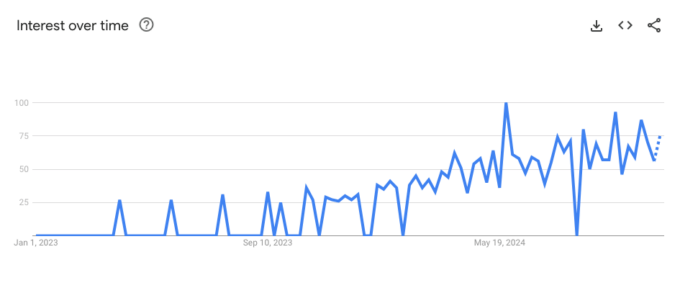
In the words of Bernard Huang, speaking at Ahrefs Evolve, “LLMs are the first realistic search alternative to Google.”
Market projections back this up:
You might resent AI chatbots for reducing your traffic share or poaching your intellectual property, but pretty soon you won’t be able to ignore them.
Just like the early days of SEO, I think we’re about to see a sort of wild-west scenario, with brands scrabbling to get into LLMs by hook or by crook.
And, for balance, I also expect we’ll see some legitimate first-movers winning big.
Read this guide now, and you’ll learn how to get into AI conversations just in time for the gold rush of LLMO.
LLM optimization is all about priming your brand “world”—your positioning, products, people, and the information surrounding it—for mentions in an LLM.
I’m talking text-based mentions, links, and even native inclusion of your brand content (e.g. quotes, statistics, videos, or visuals).
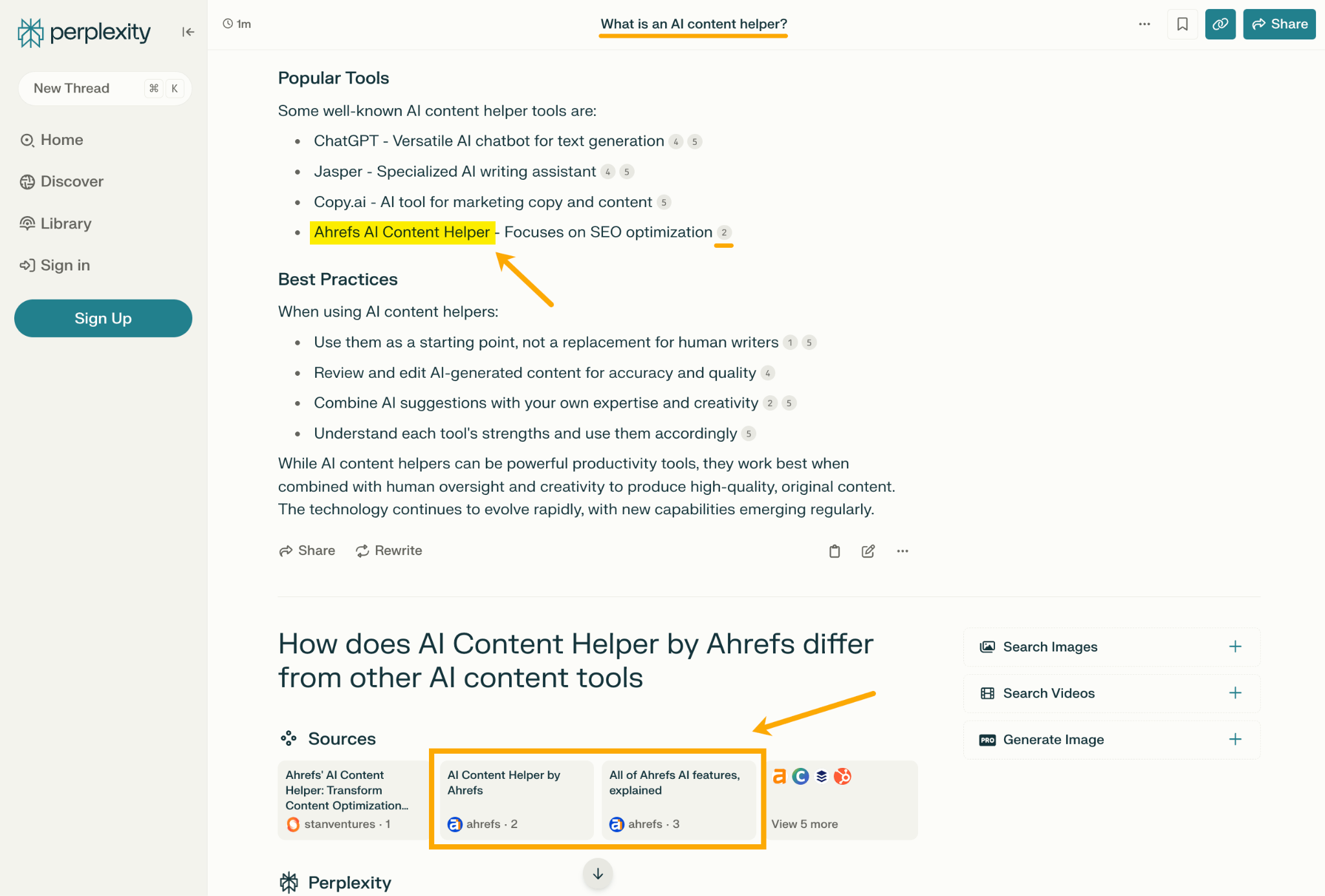
Here’s an example of what I mean.
When I asked Perplexity “What is an AI content helper?”, the chatbot’s response included a mention and link to Ahrefs, plus two Ahrefs article embeds.
When you talk about LLMs, people tend to think of AI Overviews.
But LLM optimization is not the same as AI Overview optimization—even though one can lead to the other.
Think of LLMO as a new kind of SEO; with brands actively trying to optimize their LLM visibility, just as they do in search engines.
In fact, LLM marketing may just become a discipline in its own right. Harvard Business Review goes so far as to say that SEOs will soon be known as LLMOs.
LLMs don’t just provide information on brands—they recommend them.
Like a sales assistant or personal shopper, they can even influence users to open their wallets.
If people use LLMs to answer questions and buy things, you need your brand to appear.
Here are some other key benefits of investing in LLMO:
- You futureproof your brand visibility— LLMs aren’t going away. They’re a new, important way to drive awareness.
- You get first-mover advantage (right now, anyway).
- You take up more link and citation space, so there’s less room for your competitors.
- You work your way into relevant, personalized customer conversations.
- You improve your chances of your brand being recommended in high-purchase intent conversations.
- You drive chatbot referral traffic back to your site.
- You optimize your search visibility by proxy.
LLMO and SEO are closely linked
There are two different types of LLM chatbots.
1. Self-contained LLMs that train on a huge historical and fixed dataset (e.g. Claude)
For example, here’s me asking Claude what the weather is in New York:
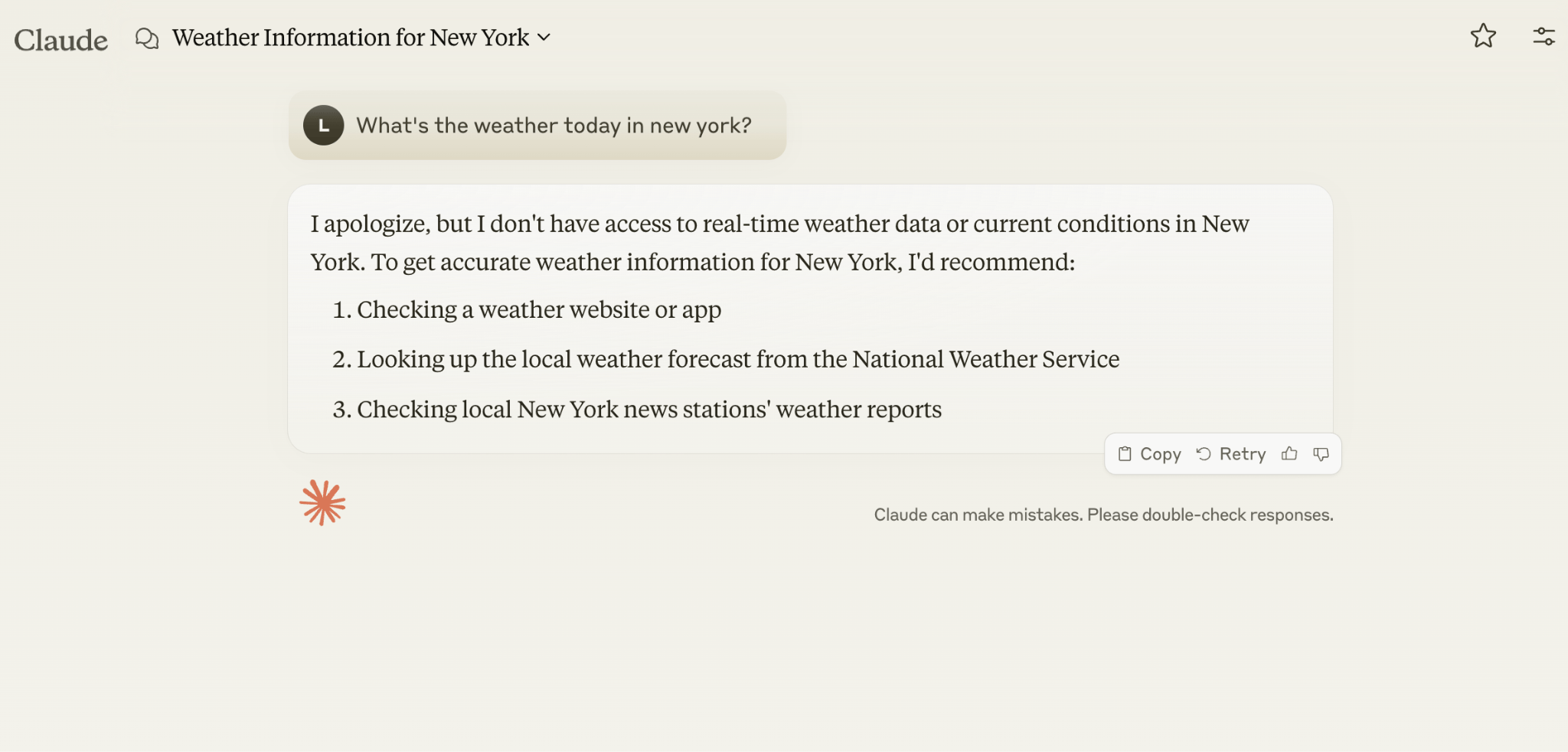
It can’t tell me the answer, because it hasn’t trained on new information since April 2024.
2. RAG or “retrieval augmented generation” LLMs, which retrieve live information from the internet in real-time (e.g. Gemini).
Here’s that same question, but this time I’m asking Perplexity. In response, it gives me an instant weather update, since it’s able to pull that information straight from the SERPs.
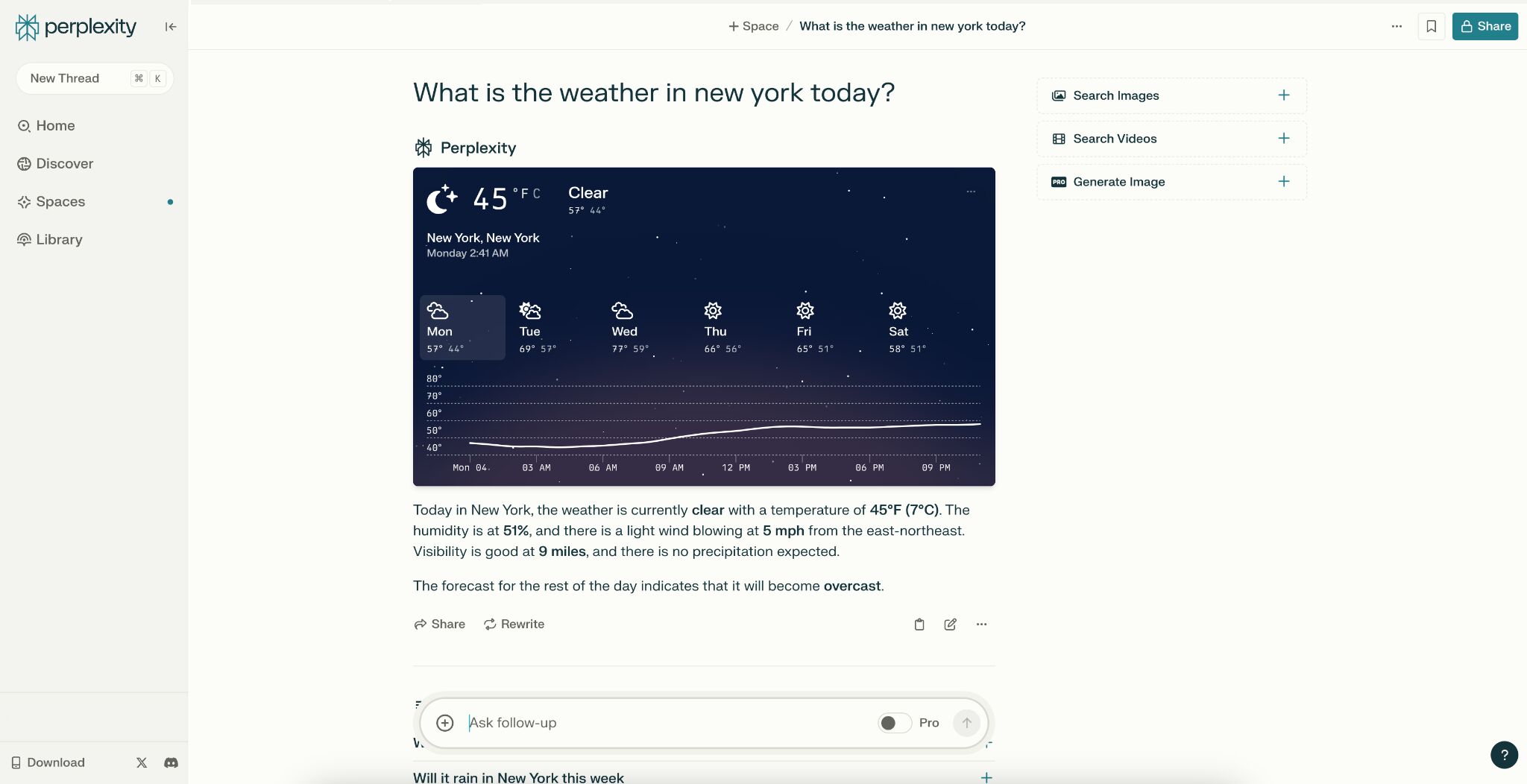
LLMs that retrieve live information have the ability to cite their sources with links, and can send referral traffic to your site, thereby improving your organic visibility.
Recent reports show that Perplexity even refers traffic to publishers who try blocking it.
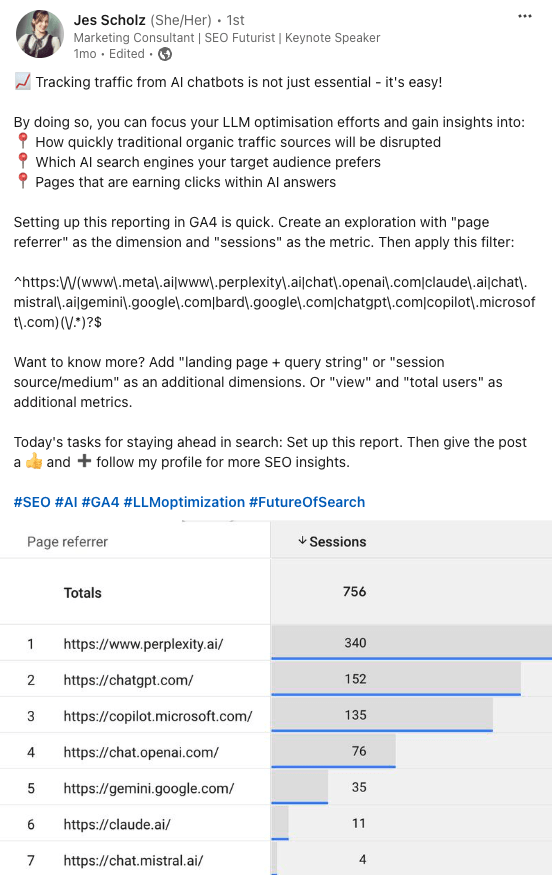
Here’s Marketing Consultant, Jes Scholz, showing you how to configure an LLM traffic referral report in GA4.
And here’s a great Looker Studio template you can grab from Flow Agency, to compare your LLM traffic against organic traffic, and work out your top AI referrers.
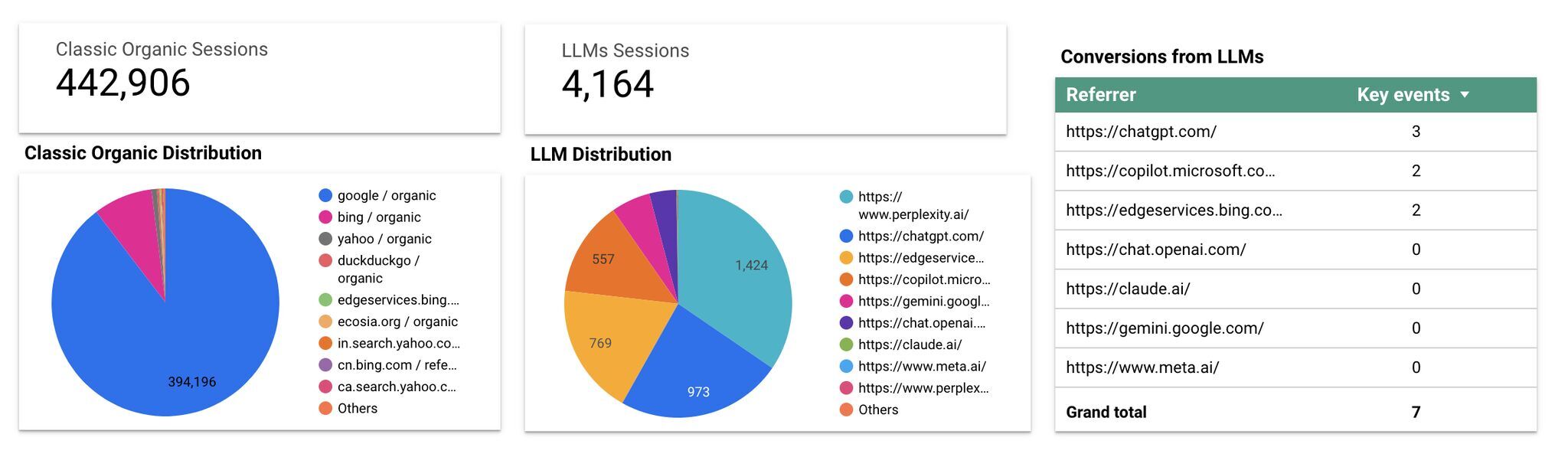
So, RAG based LLMs can improve your traffic and SEO.
But, equally, your SEO has the potential to improve your brand visibility in LLMs.
The prominence of content in LLM training is influenced by its relevance and discoverability.


LLM optimization is a brand-new field, so research is still developing.
That said, I’ve found a mix of strategies and techniques that, according to research, have the potential to boost your brand visibility in LLMs.
Here they are, in no particular order:
LLMs interpret meaning by analyzing the proximity of words and phrases.
Here’s a quick breakdown of that process:
- LLMs take words in training data and turn them into tokens—these tokens can represent words, but also word fragments, spaces, or punctuation.
- They translate those tokens into embeddings—or numeric representations.
- Next, they map those embeddings to a semantic “space”.
- Finally, they calculate the angle of “cosine similarity” between embeddings in that space, to judge how semantically close or distant they are and ultimately understand their relationship.
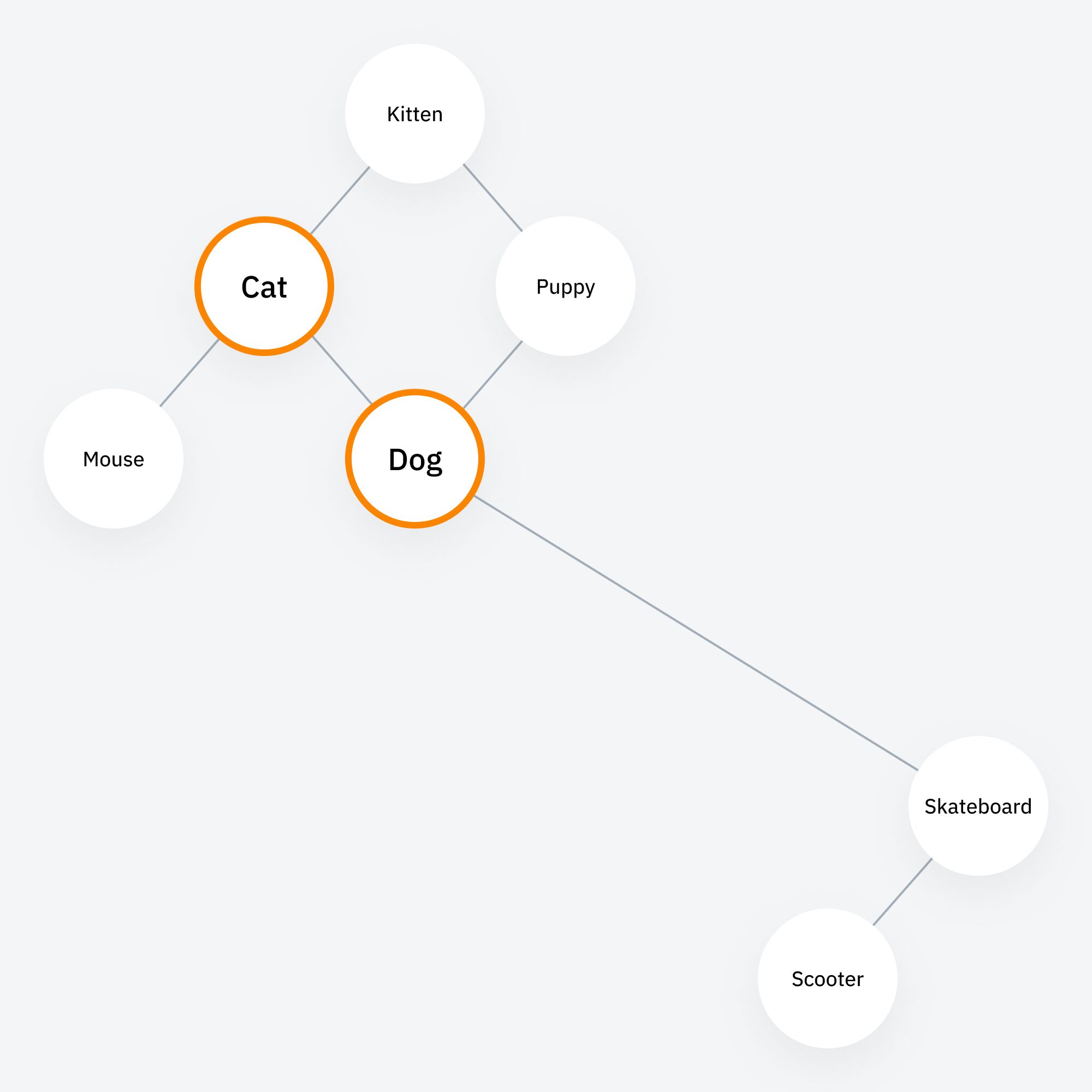
Picture the inner-workings of an LLM as a sort of cluster map. Topics that are thematically related, like “dog” and “cat”, are clustered together, and those that aren’t, like “dog” and “skateboard”, sit further apart.
When you ask Claude which chairs are good for improving posture, it recommends the brands Herman Miller, Steelcase Gesture, and HAG Capisco.
That’s because these brand entities have the closest measurable proximity to the topic of “improving posture”.
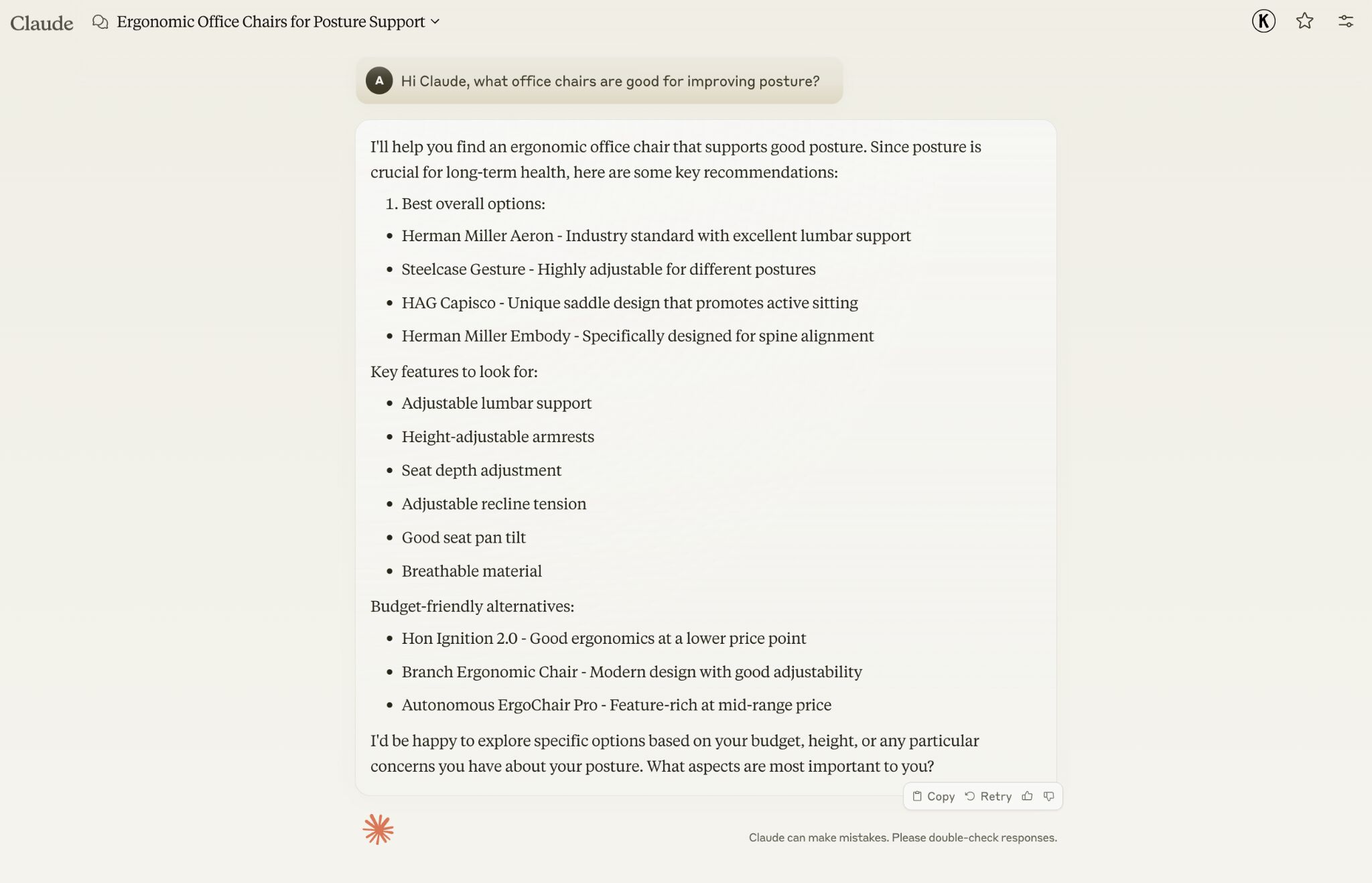
To get mentioned in similar, commercially valuable LLM product recommendations, you need to build strong associations between your brand and related topics.
Investing in PR can help you do this.
In the last year alone, Herman Miller has picked up 273 pages of “ergonomic” related press mentions from publishers like Yahoo, CBS, CNET, The Independent, and Tech Radar.
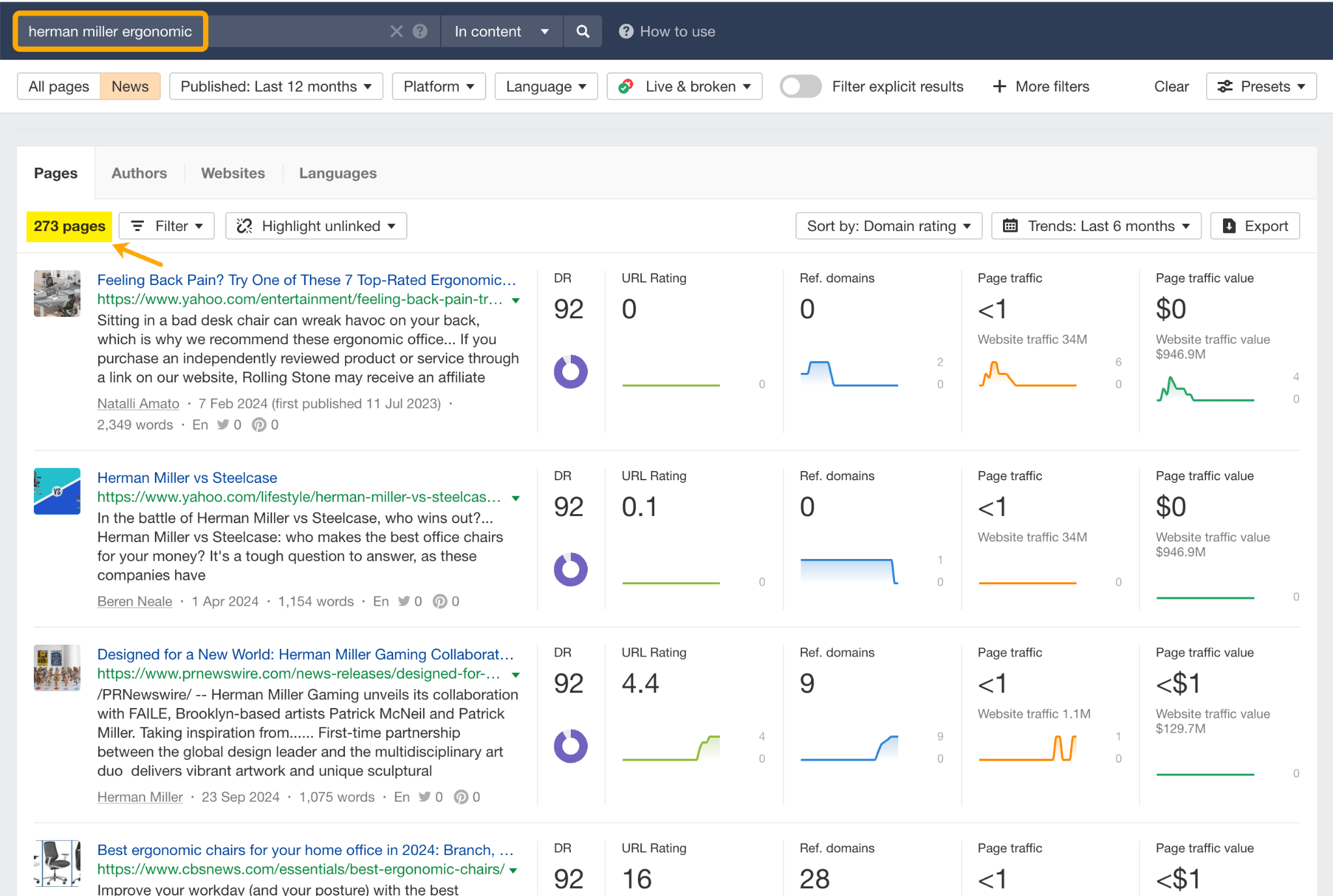
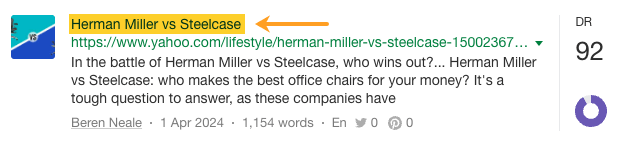
Some of this topical awareness was driven organically—e.g. By reviews…
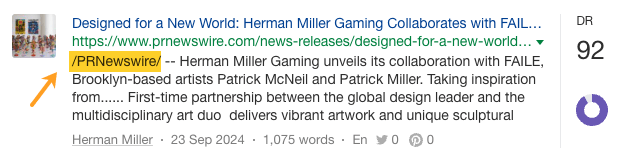
Some came from Herman Miller’s own PR initiatives—e.g. press releases…
…and product-led PR campaigns…
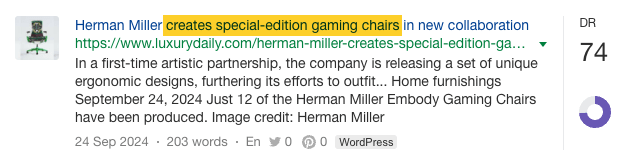
Some mentions came through paid affiliate programs…
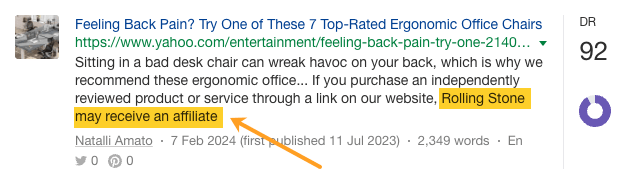
And some came from paid sponsorships…
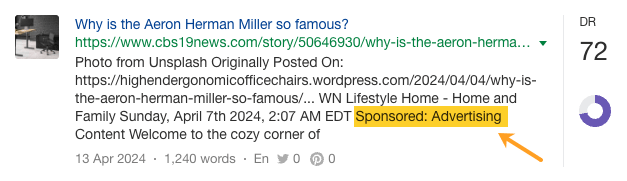
These are all legitimate strategies for increasing topical relevance and improving your chances of LLM visibility.
If you invest in topic-driven PR, make sure you track your share of voice, web mentions, and links for the key topics you care about—e.g. “ergonomics”.
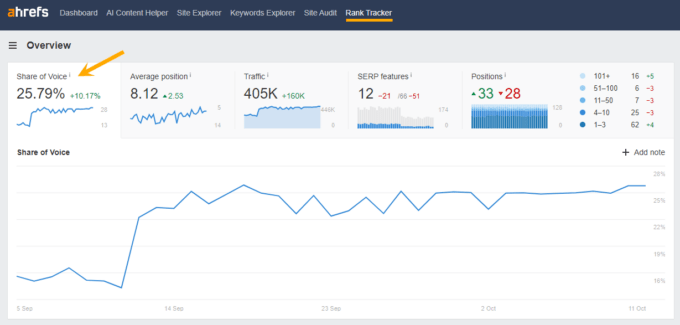
This will help you get a handle on the specific PR activities that work best in driving up your brand visibility.
At the same time, keep testing the LLM with questions related to your focus topic(s), and make note of any new brand mentions.
If your competitors are already getting cited in LLMs, you’ll also want to analyze their web mentions.
That way you can reverse engineer their visibility, find actual KPIs to work towards (e.g. # of links), and benchmark your performance against them.
As I mentioned earlier, some chatbots can connect to and cite web results (a process known as RAG—retrieval augmented generation).
Recently, a group of AI researchers conducted a study on 10,000 real-world search engine queries (across Bing and Google), to find out which techniques are most likely to boost visibility in RAG chatbots like Perplexity or BingChat.
For each query, they randomly selected a website to optimize, and tested different content types (e.g. quotes, technical terms, and statistics) and characteristics (e.g. fluency, comprehension, authoritative tone).
Here are their findings…
| LLMO method tested | Position-adjusted word count (visibility) 👇 | Subjective impression (relevance, click potential) |
|---|---|---|
| Quotes | 27.2 | 24.7 |
| Statistics | 25.2 | 23.7 |
| Fluency | 24.7 | 21.9 |
| Citing sources | 24.6 | 21.9 |
| Technical terms | 22.7 | 21.4 |
| Easy-to-understand | 22 | 20.5 |
| Authoritative | 21.3 | 22.9 |
| Unique words | 20.5 | 20.4 |
| No optimization | 19.3 | 19.3 |
| Keyword stuffing | 17.7 | 20.2 |
Websites that included quotes, statistics, and citations were most commonly referenced in search-augmented LLMs; seeing 30-40% uplift on “Position adjusted word count” (in other words: visibility) in LLM responses.
All three of these components have a key thing in common; they reinforce a brand’s authority and credibility. They also happen to be the kinds of content that tend to pick up links.
Search-based LLMs learn from a variety of online sources. If a quote or statistic is routinely referenced within that corpus, it makes sense that an LLM will return it more often in its responses.
So, if you want your brand content to appear in LLMs, infuse it with relevant quotations, proprietary stats, and credible citations.
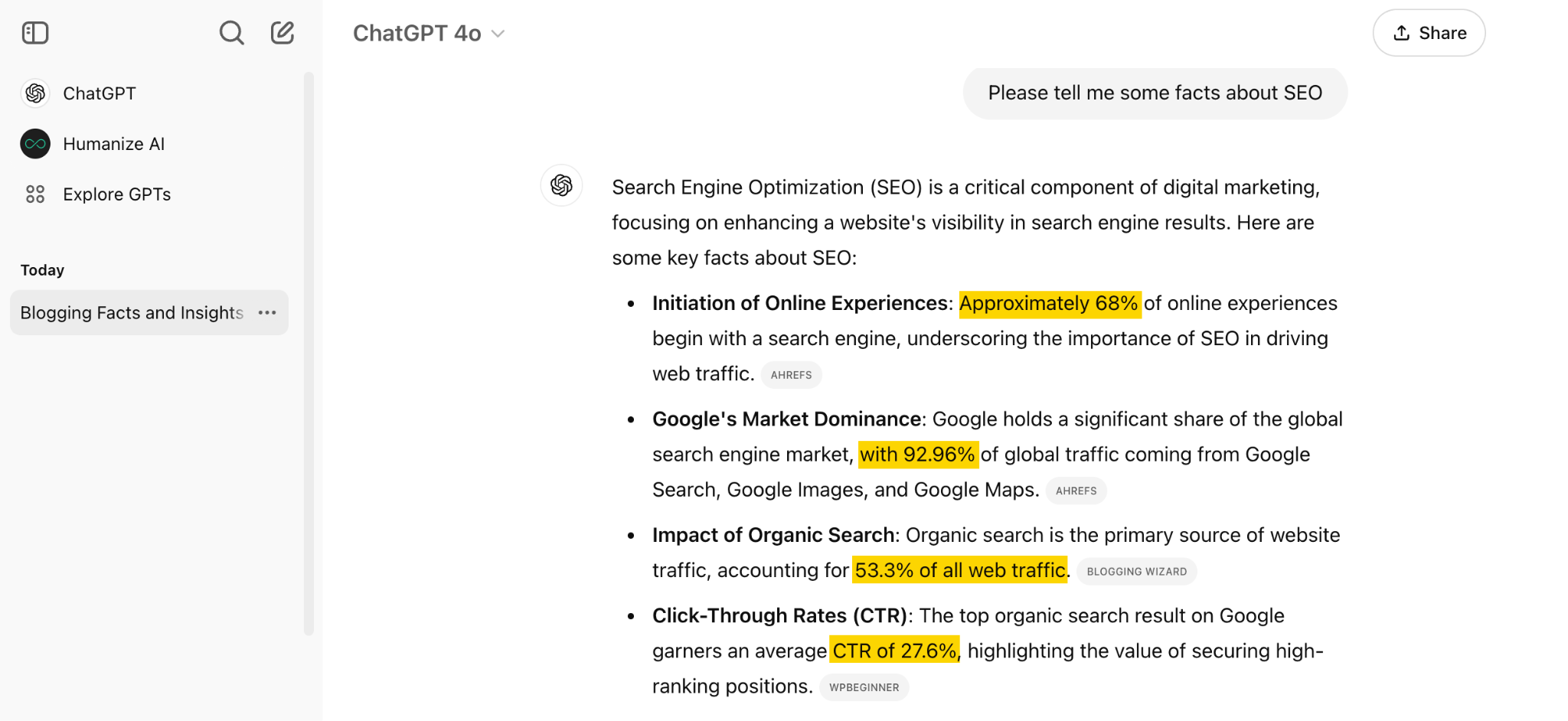
And keep that content short. I’ve noticed most LLMs tend only to provide only one or two sentences worth of quotations or statistics.
Before going any further, I want to shout out two incredible SEOs from Ahrefs Evolve that inspired this tip—Bernard Huang and Aleyda Solis.
We already know that LLMs focus on the relationships between words and phrases to predict their responses.
To fit in with that, you need to be thinking beyond solitary keywords, and analyzing your brand in terms of its entities.
Research how LLMs perceive your brand
You can audit the entities surrounding your brand to better understand how LLMs perceive it.
At Ahrefs Evolve, Bernard Huang, Founder of Clearscope, demonstrated a great way to do this.
He essentially mimicked the process that Google’s LLM goes through to understand and rank content.
First off, he established that Google uses “The 3 Pillars of Ranking” to prioritize content: Body text, anchor text, and user interaction data.
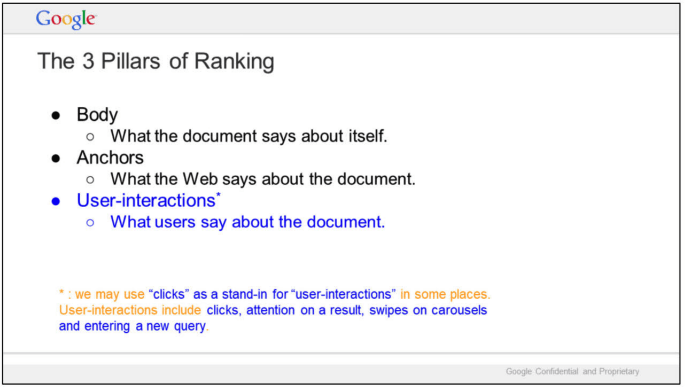
Then, using data from the Google Leak, he theorized that Google identifies entities in the following ways:
- On-page analysis: During the process of ranking, Google uses natural language processing (NLP) to find topics (or ‘page embeddings’) within a page’s content. Bernard believes these embeddings help Google better comprehend entities.
- Site-level analysis: During that same process, Google gathers data about the site. Again, Bernard believes this could be feeding Google’s understanding of entities. That site-level data includes:
- Site embeddings: Topics recognized across the whole site.
- Site focus score: A number indicating how concentrated the site is on a specific topic.
- Site radius: A measure of how much individual page topics differ from the site’s overall topics.
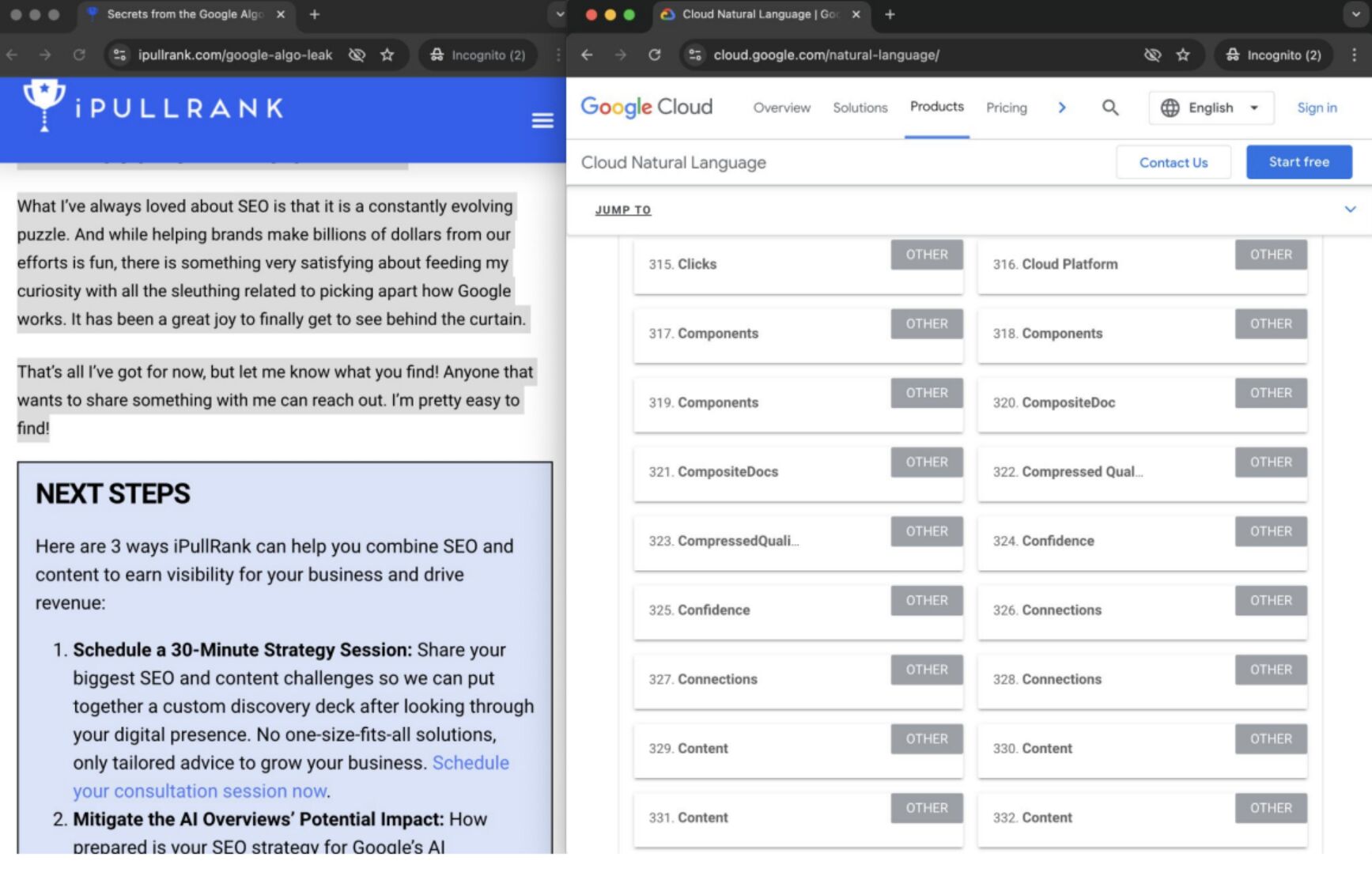
To recreate Google’s style of analysis, Bernard used Google’s Natural Language API to discover the page embeddings (or potential ‘page-level entities’) featured in an iPullRank article.
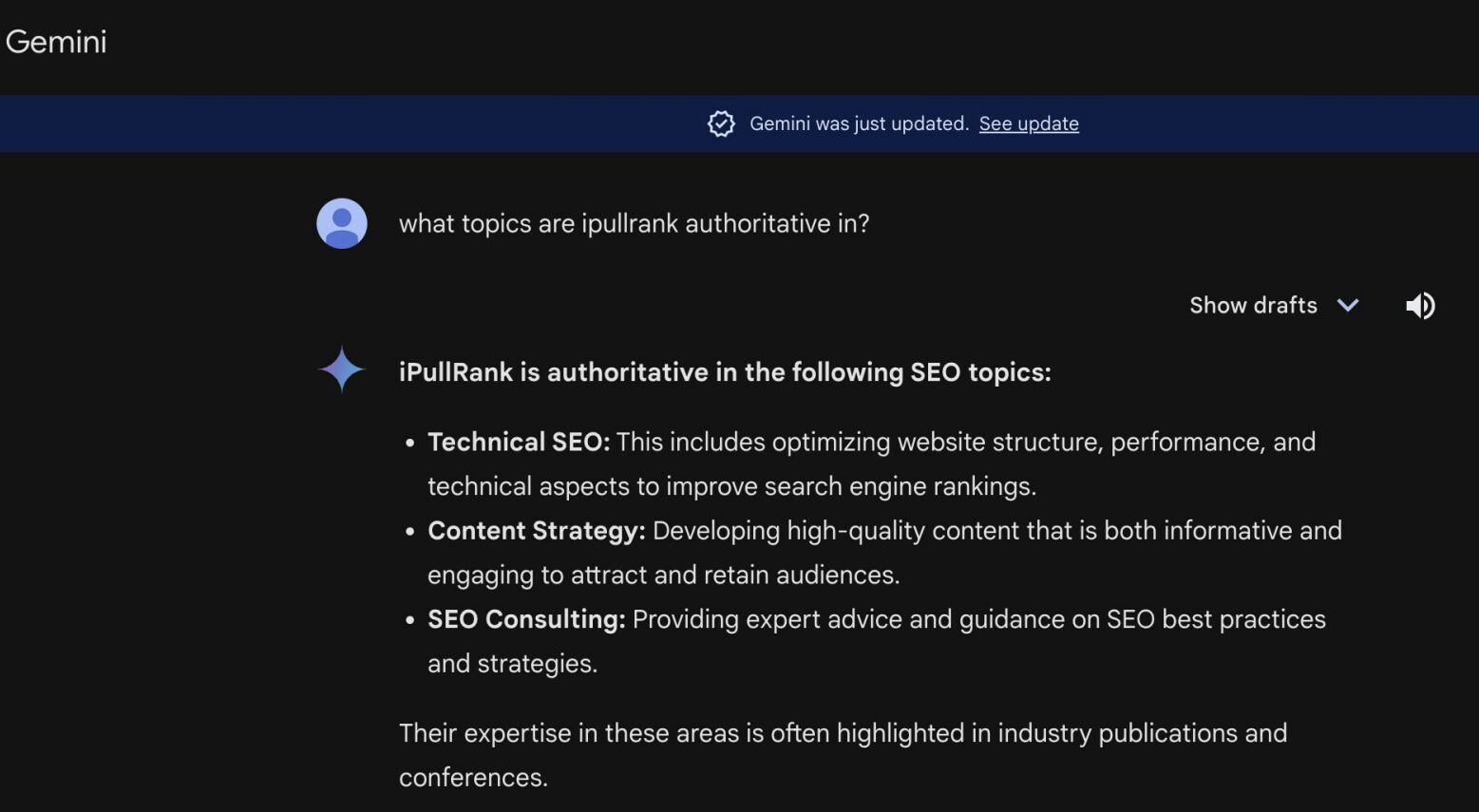
Then, he turned to Gemini and asked “What topics are iPullRank authoritative in?” to better understand iPullRank’s site-level entity focus, and judge how closely tied the brand was to its content.
And finally, he looked at the anchor text pointing to the iPullRank site, since anchors infer topical relevance and are one of the three “Pillars of ranking”.
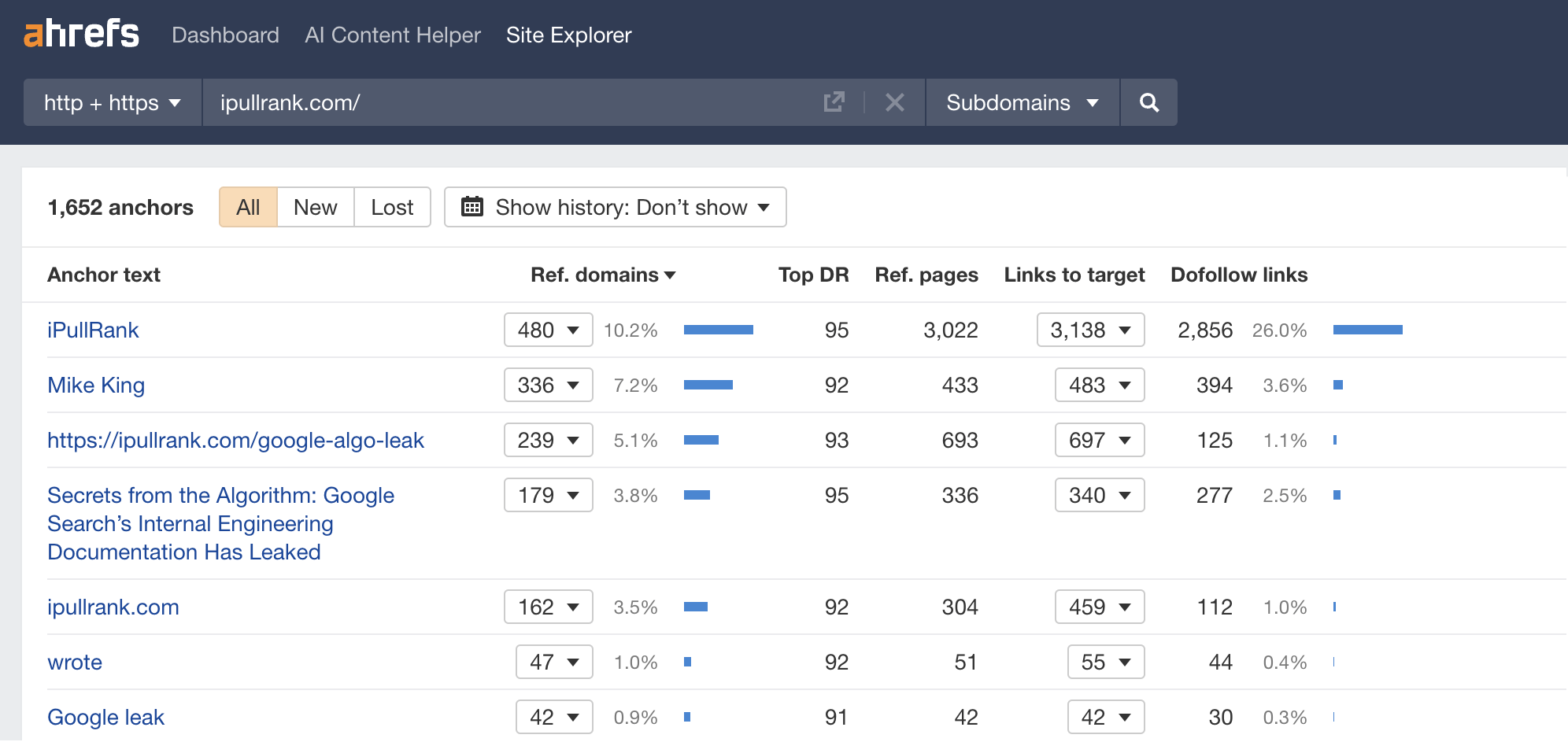
If you want your brand to organically crop up in AI based customer conversations, this is the kind of research you can be doing to audit and understand your own brand entities.
Review where you are, and decide where you want to be
Once you know your existing brand entities, you can identify any disconnect between the topics LLMs view you as authoritative in, and the topics you want to show up for.
Then it’s just a matter of creating new brand content to build that association.
Use brand entity research tools
Here are three research tools you can use to audit your brand entities, and improve your chances of appearing in brand-relevant LLM conversations:
1. Google’s Natural Language API
Google’s Natural Language API is a paid tool that shows you the entities present in your brand content.
Other LLM chatbots use different training inputs to Google, but we can make the reasonable assumption that they identify similar entities, since they also employ natural language processing.