


I asked 12 SEOs for the link building strategy that’s working best for them right now.
Here are the tactics they shared, how to do them, and tips for success.
This has been my go-to link building strategy for quite some time now. What makes this approach very effective is that it touches multiple campaign objectives beyond just building topical authority and improving search rankings.

How to do it
Let’s say you were doing this for MailChimp. You might want to find listicles that feature brands like ConvertKit and Aweber but not MailChimp—like this one:
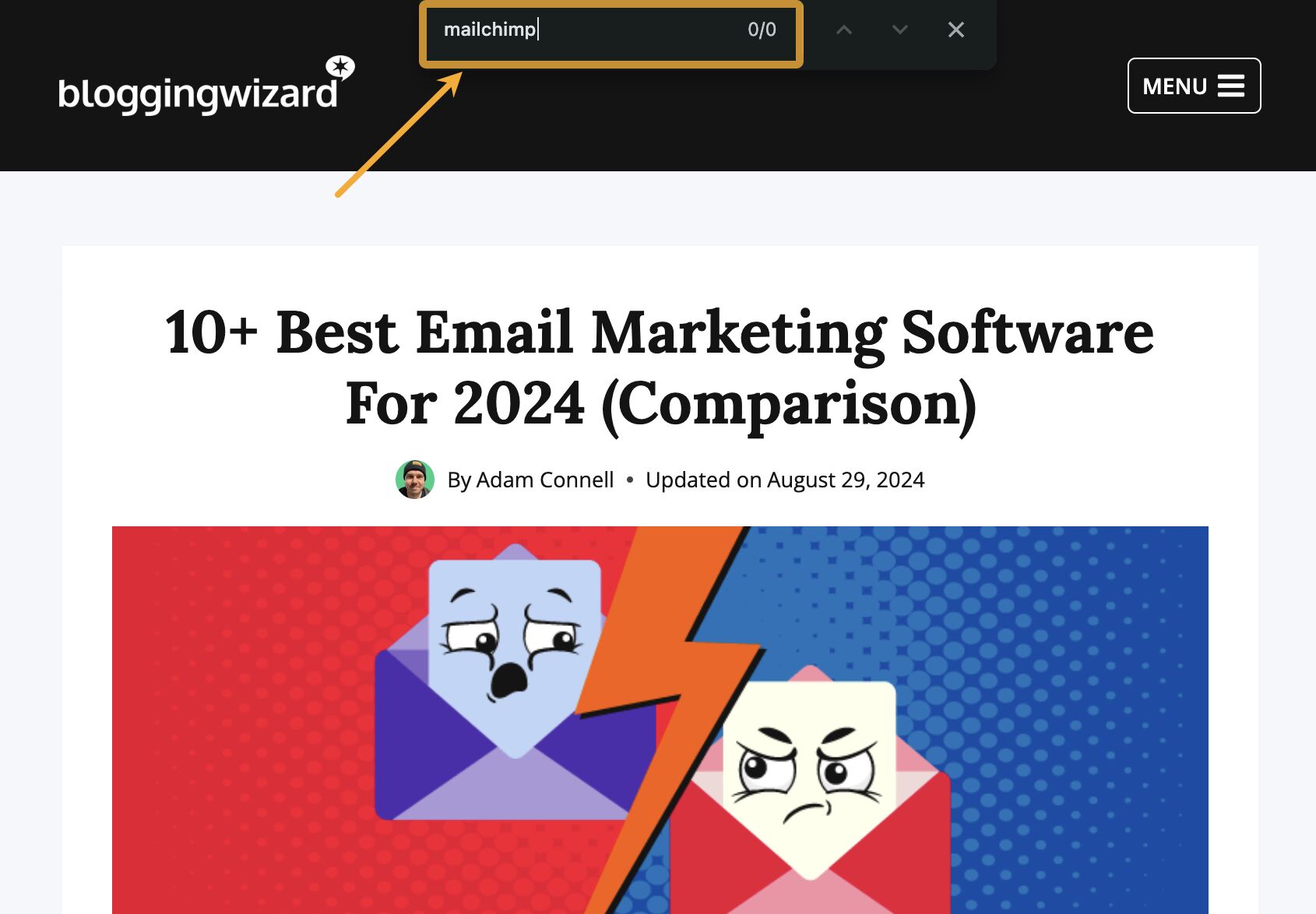
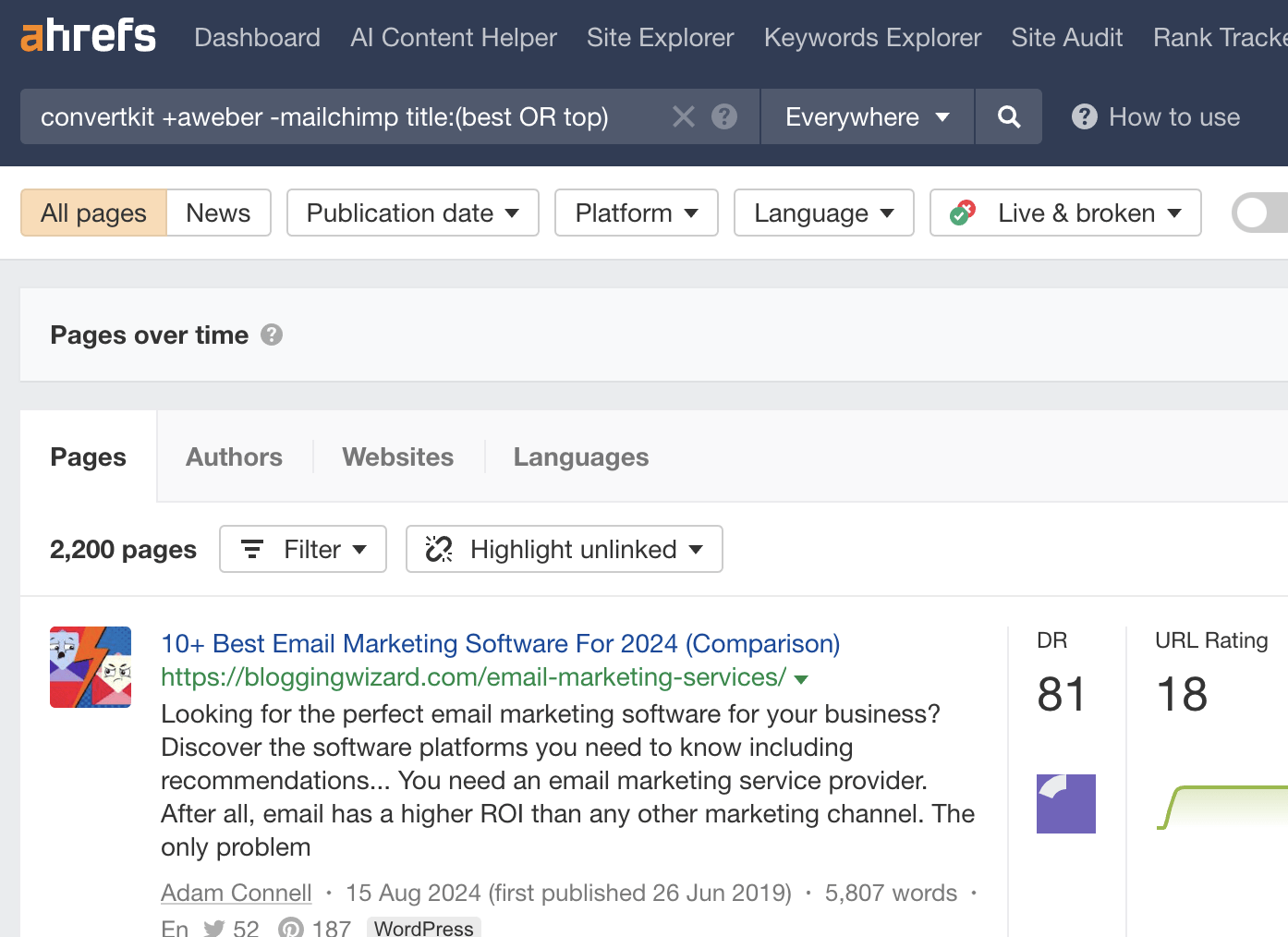
To find these, run this search in Ahrefs’ Content Explorer:
[competitor 1] +[competitor 2] -[your brand] title:(best OR top)
For example, to find listicles that mention Aweber and ConvertKit but not MailChimp, you’d search for: convertkit +aweber -mailchimp title:(best OR top)
If you spot a listicle where you feel you should be listed, find their email address and reach out to them.
Here’s an example email Jason used:
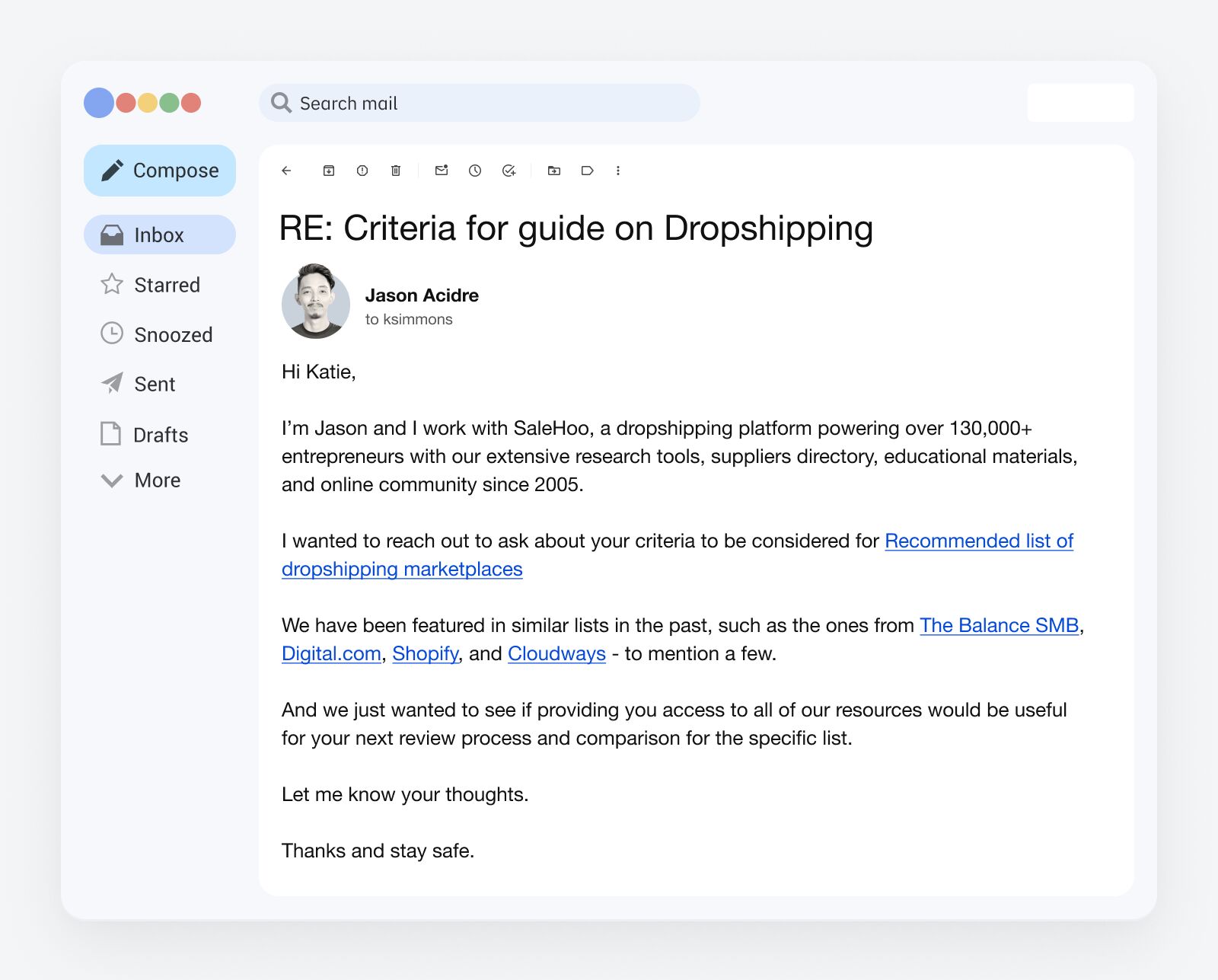
I don’t recommend copying Jason’s email word for word, but here’s his and Alex Tachalova’s advice on what to include:
Some key pointers for emails:
- Briefly highlight why your product or service merits inclusion on their list.
- Reference other reputable lists that have already featured your product or service.
- Inquire about their criteria and requirements for inclusion.
- Offer free tool access, complimentary products for review, or case studies that they can review (if you’re providing a service).
Our pitches generally include:
- The client’s previous features in listicle posts.
- A suggestion to collaborate on enhancing the quality of their listicle post, given the client’s industry expertise.
- An analysis of top-ranking listicle posts to identify missing tools or information that could offer a competitive edge and improve their post’s rankings.

As Jason points out, this strategy has benefits beyond improving rankings for your website. It also exposes your brand to more people as you’re consistently listed as a top option in your industry.
For example, Jason got his client mentioned in nearly every top-ranking listicle for “best dropshipping suppliers.” That’s a lot of extra brand exposure!
Apart from the selfie battle I have with Tim Soulo, this is one of the most effective link-building strategies we’re using right now.

How to do it
Start by finding a trending topic journalists care about. Google News and Google Trends are good places to start.
We start by identifying current trends using tools like Google Trends and monitoring industry news.
We use lots of techniques from monitoring news sources in real time to conducting research with Google News to understand the types of topics that have been previously covered at specific times of year.

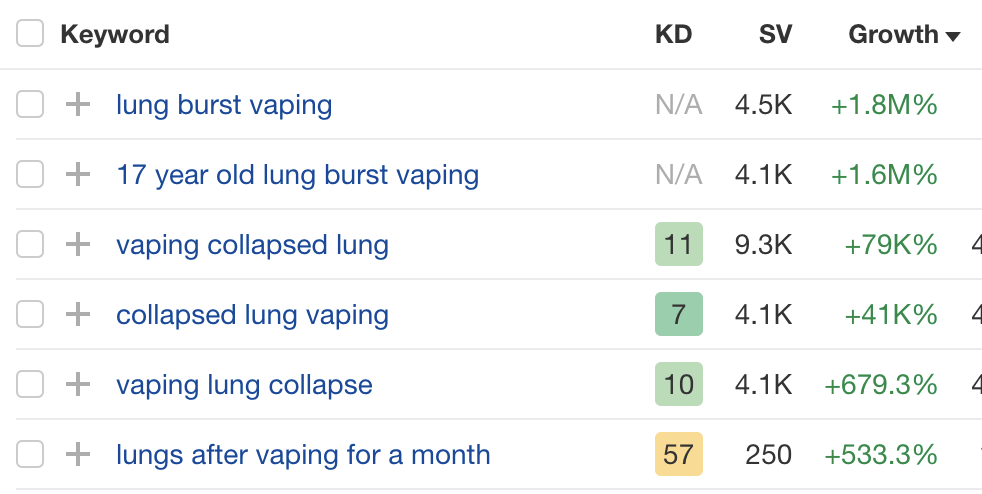
You can also use the Growth metric in Ahrefs’ Keywords Explorer.
For example, if I enter “vaping” and sort by the Growth column, I see lots of lung health searches breaking out in the past three months:
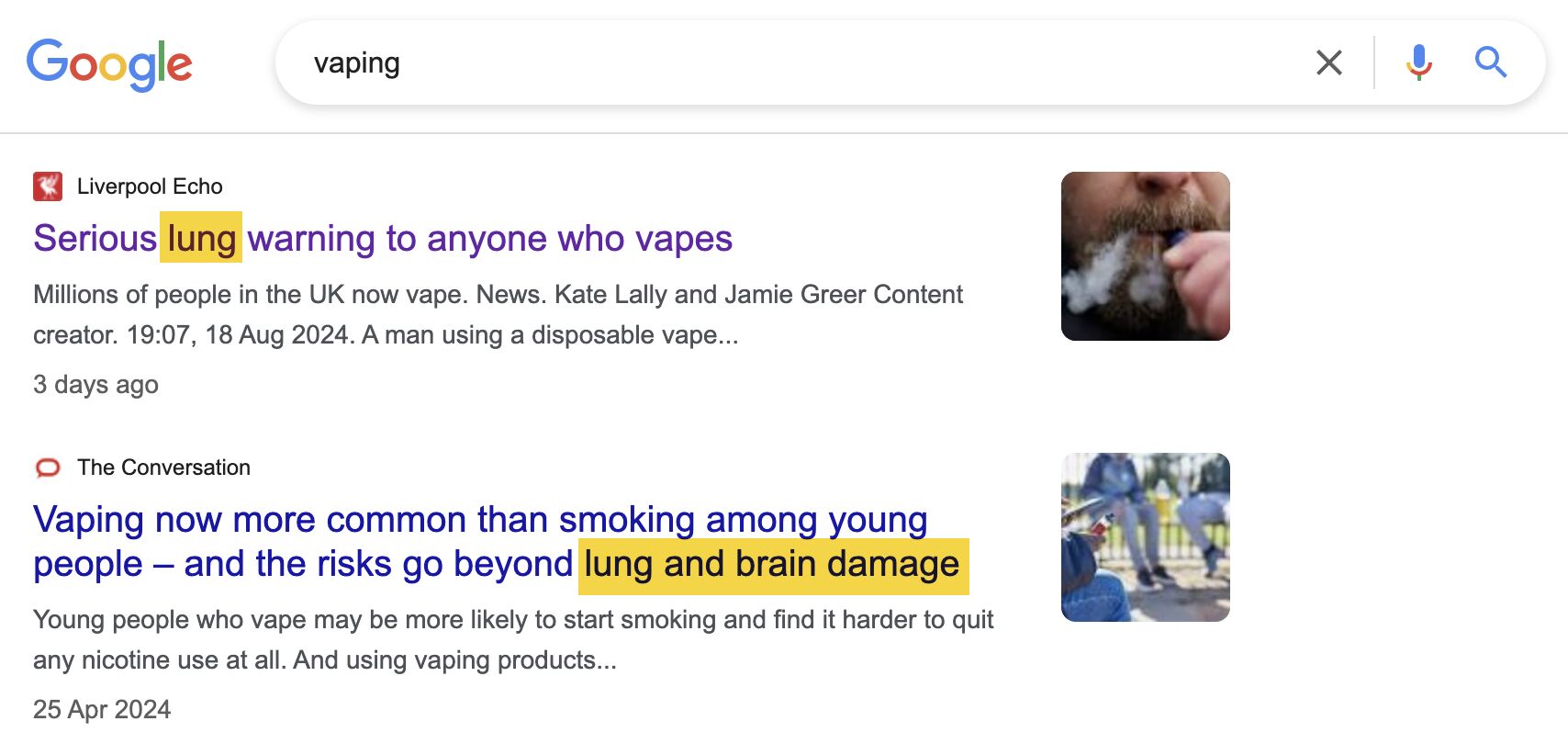
I also see this echoed in Google News:
It’s then a case of sourcing some unique data, publishing it in an easy-to-utilize format, and sending it to journalists. Matt Diggity shared a few great sources with me:
For government databases you have usa.gov for the states. Data.gov is another alternative. UK Data Service is the equivalent for the UK. Eurostat is great for other countries in the EU. And Statistics Canada is for… yeah, Canada. Internationally, World Bank Open Data and United Nations Data are treasure troves. Pew Research Center is great for social issues, public opinion, and demographic trends. FBI Crime Data Explorer is great for crime stats. And the CDC is great for health data.

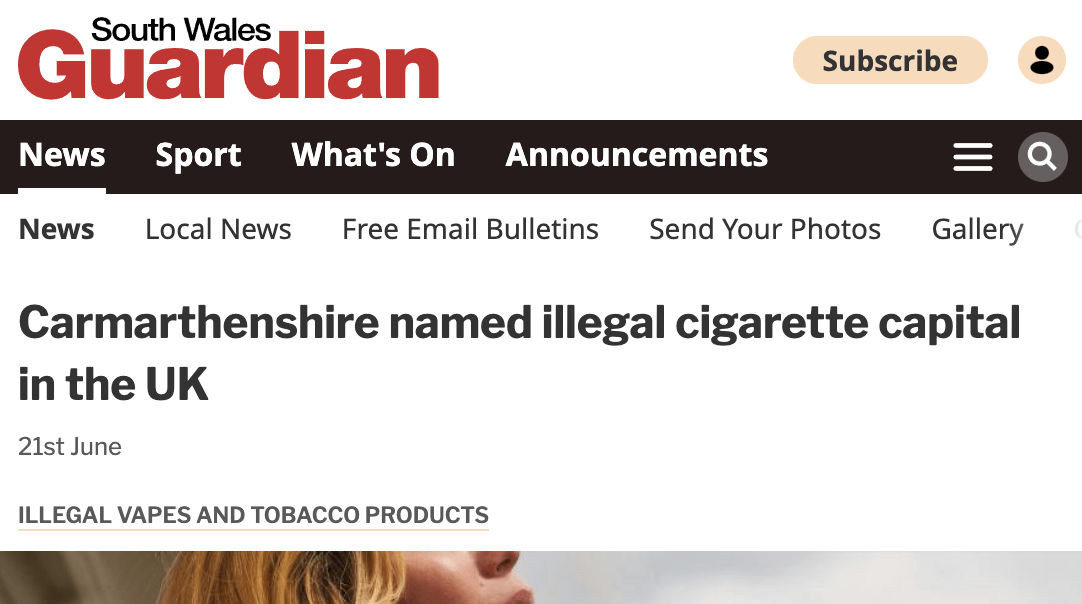
Amanda also often uses freedom of information (FOI) requests for data, as she did for her piece on the UK’s illegal vape hotspots:
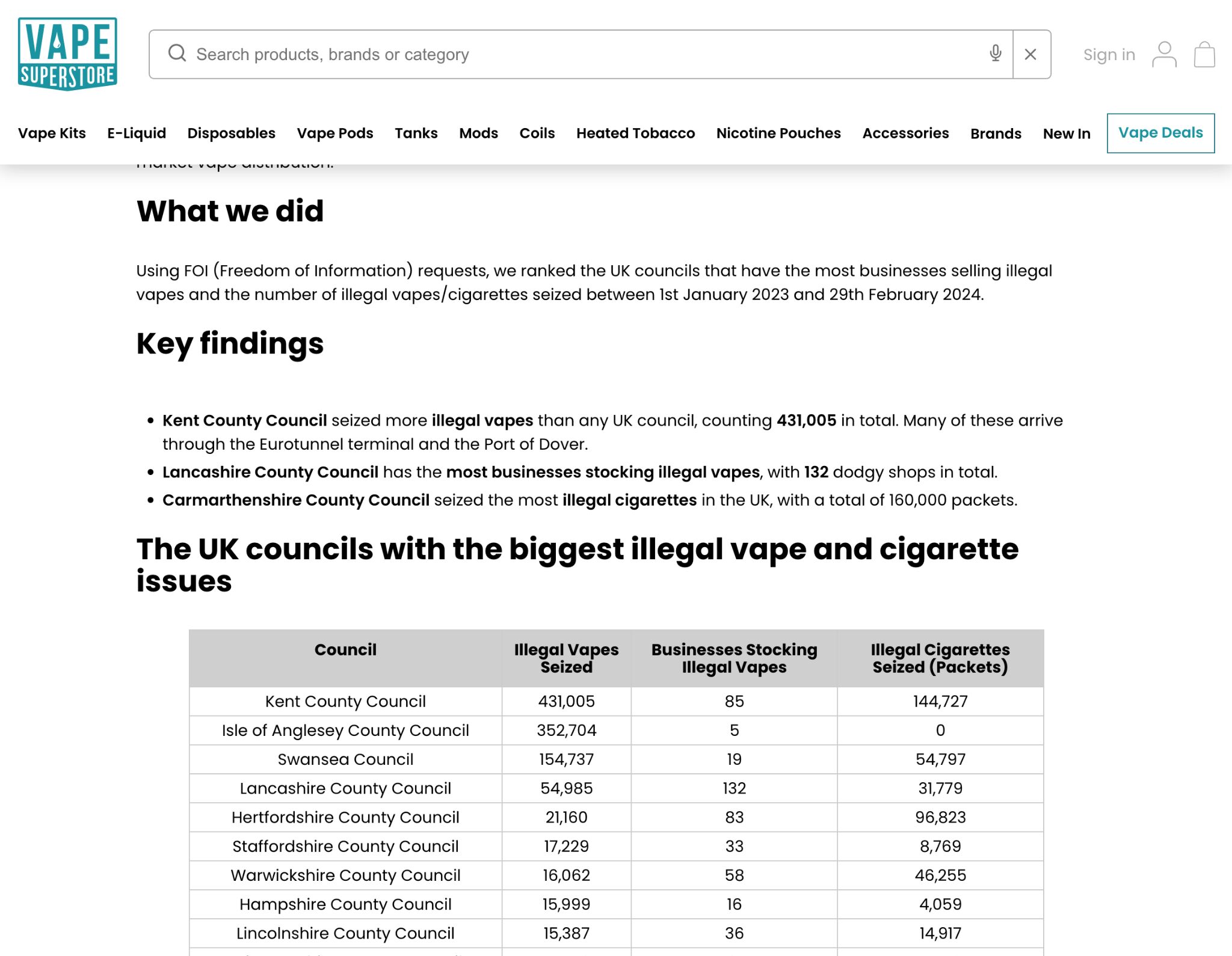
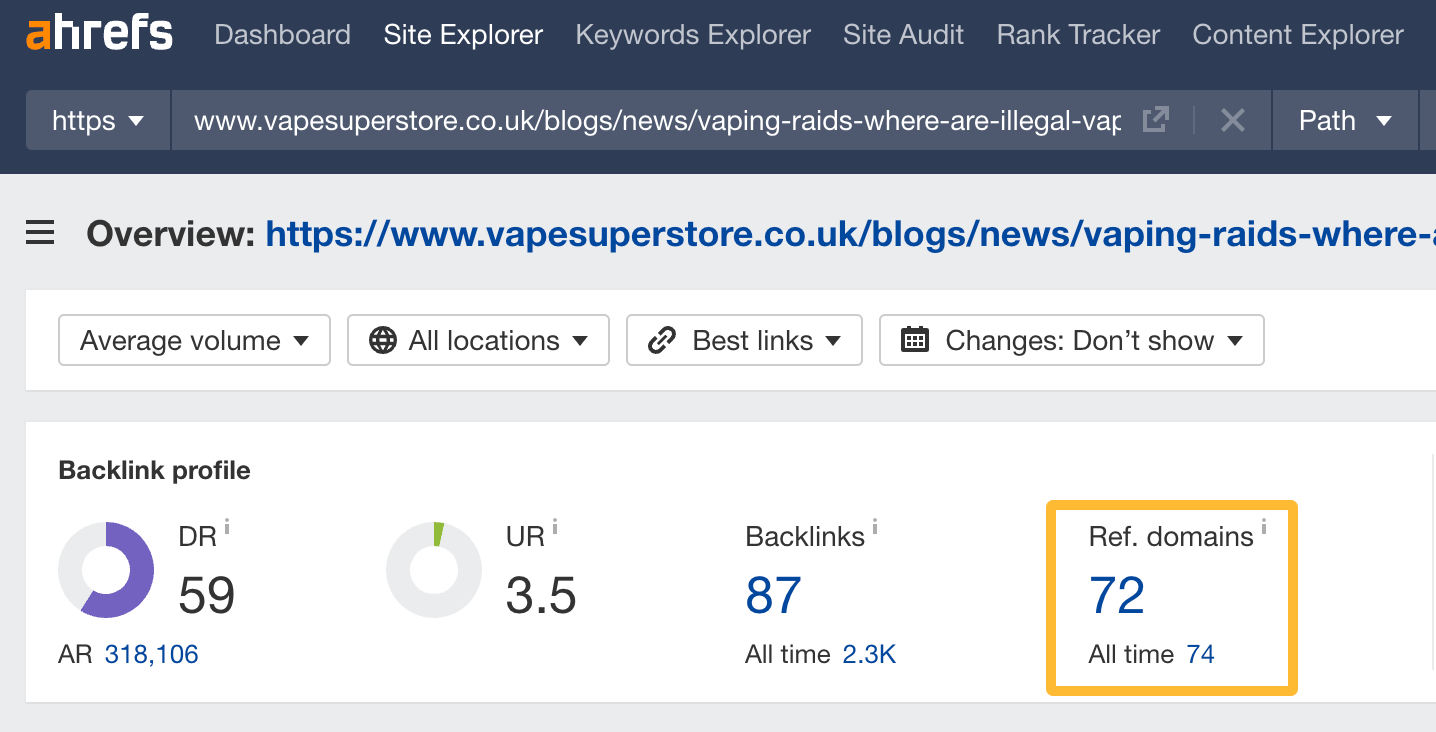
This campaign earned links from 72 referring domains and got featured in many online newspapers:


How do you find journalists?
Here’s Jason’s advice:
We start by researching those who have previously covered similar topics or industries. We use tools like Muck Rack, Cision, or even X to find journalists by searching for keywords related to our story. We look at bylines in relevant publications to see who is writing about related subjects and review their past articles to understand their interests and writing style.
Journalists are always looking for comments, tips and advice from thought leaders. Nurture these relationships and meet request deadlines, and you position yourself as the PR expert who can help during busy periods.

How to do it
One way is to sign up for HARO and other alternatives, but Eva recommends a more proactive approach. She builds relationships with journalists relevant to her clients so they come directly to her for tips and quotes.
How can you find these people?
Eva uses keyword alerts:
I have Google Alerts set up for relevant keywords related to a brand or topic. For example, I have the words “vet,” “dog behaviour,” and “cat behaviour” set up for a pet insurance brand so I can see the related coverage mentioning these words.
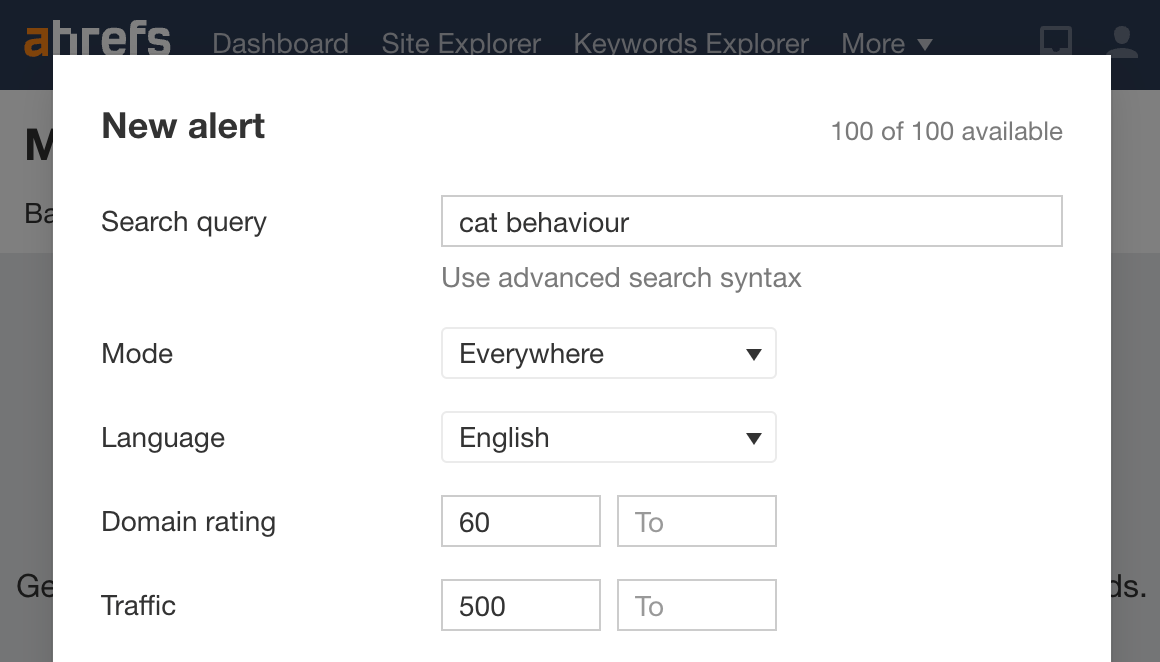
You can also use Ahrefs Alerts. The benefit of this over Google Alerts is that you can filter by language, traffic, Domain Rating (DR), etc. to separate the wheat from the chaff:
Alternatively, use Content Explorer to find people who’ve talked about topics recently. Just search for a keyword and filter for pages published in the last 90 days.
For example, if I search for “vet,” I see this recent article on a DR 83 site from Jessie Quinn:
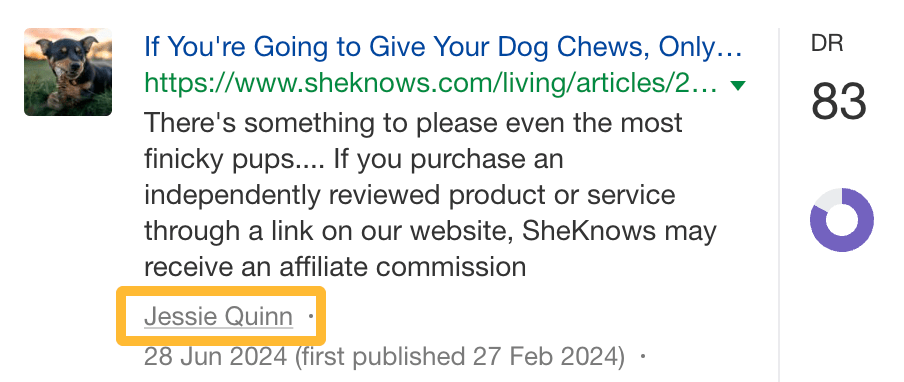
It looks like she’s written a couple of pet-related articles recently:
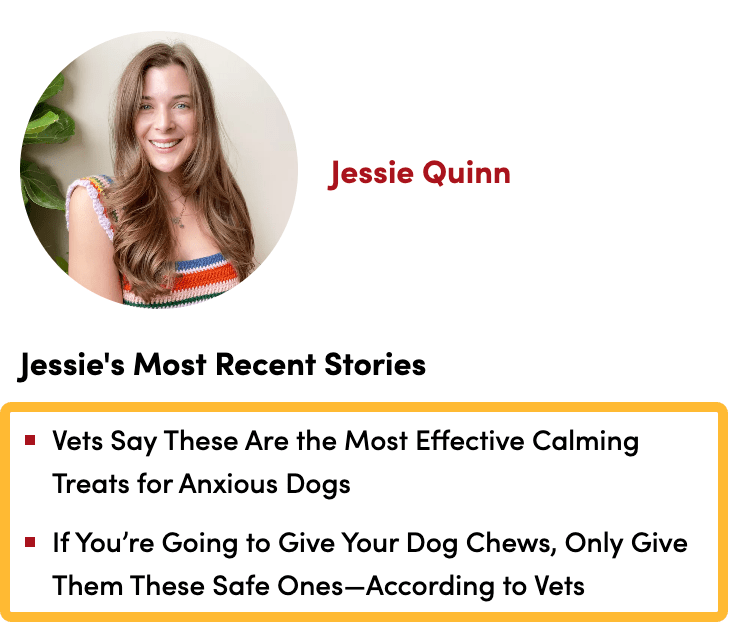
Her profile also says she writes for many well-known sites and has a pug called Daphne:
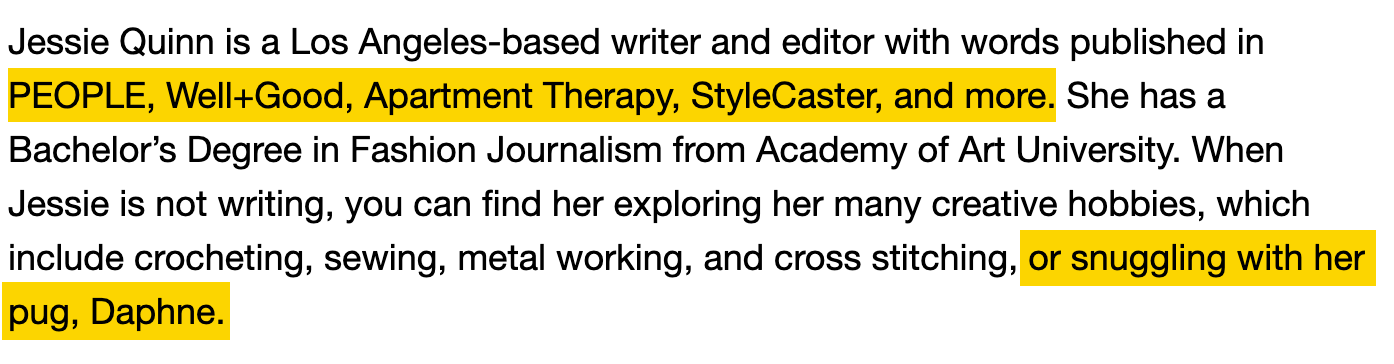
This journalist would clearly be a great person to build a relationship with!
How? Eva says it all starts with a simple “hello”:
Reach out and introduce yourself and your client to journalists and niche publications who cover related topics regularly. Offer them the opportunity to receive exclusive commentary when requested. After a journalist has covered your campaign or expert commentary, always drop them a note to say thank you. You never know it can also lead to another request or opportunity for your client.
Oh, and don’t rely on AI when actually replying to requests, whether direct or via platforms like HARO. Greg explains why:
AI is not yet capable of replacing a high quality writer. Simply copy/pasting their content over to a journalist outreach email is a fantastic way to earn your client a spot on a journalist or publication’s ban list. When our writers use AI, they use it for idea generation to overcome writer’s block. This is how I recommend using it.

Data-driven digital PR campaigns, like maps, are our most effective method for driving backlinks at the moment.


How to do it
Start by brainstorming topics with map potential that make sense for your brand.
Ask yourself, what would a journalist and user expect you to be an expert on? For a cocktail brand, doing a map on speakeasy bars around the world would make perfect sense, or a map on the rooftop bars with the best reviews, etc.
If you’re struggling for ideas, search for a topic in Content Explorer and filter for pages with lots of backlinks. These are proven ideas you know people want to link to.
For example, if I search for “tax,” I see over 300 referring domains to a page listing countries where you have to pay “tourist tax”:

This immediately sparks an idea: map out countries with the most and least expensive “tourist taxes.”
Once you have your map, send it to journalists who might be interested in covering it.
Find journalists who write about that kind of content, either literally map based data, or perhaps in the example above, they write about travel.
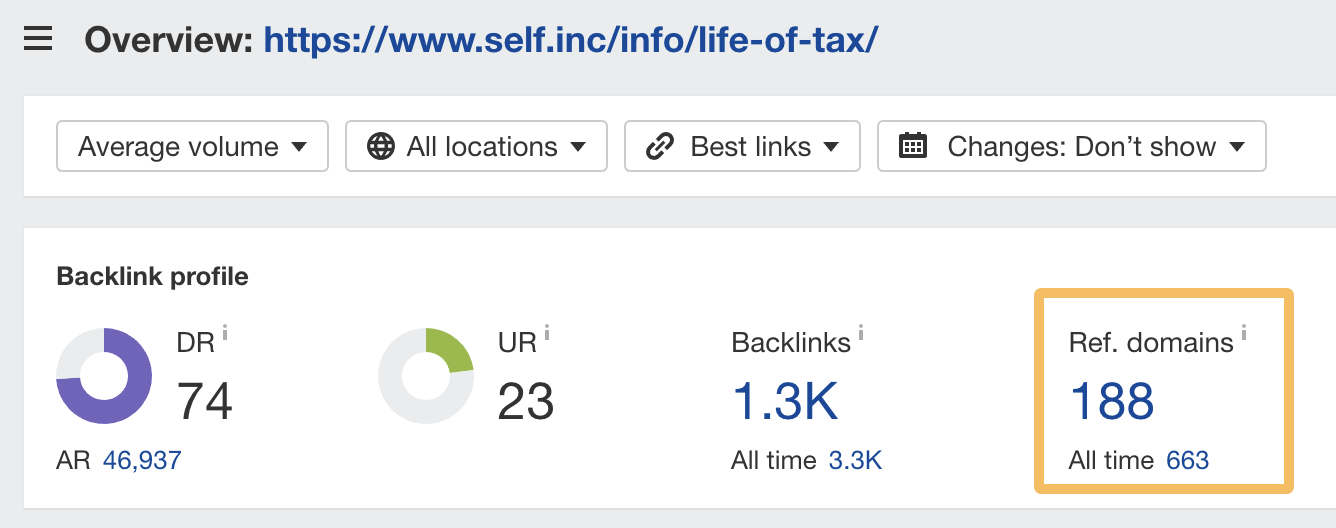
George did this for his map of which states will pay the most taxes over their lifetime…
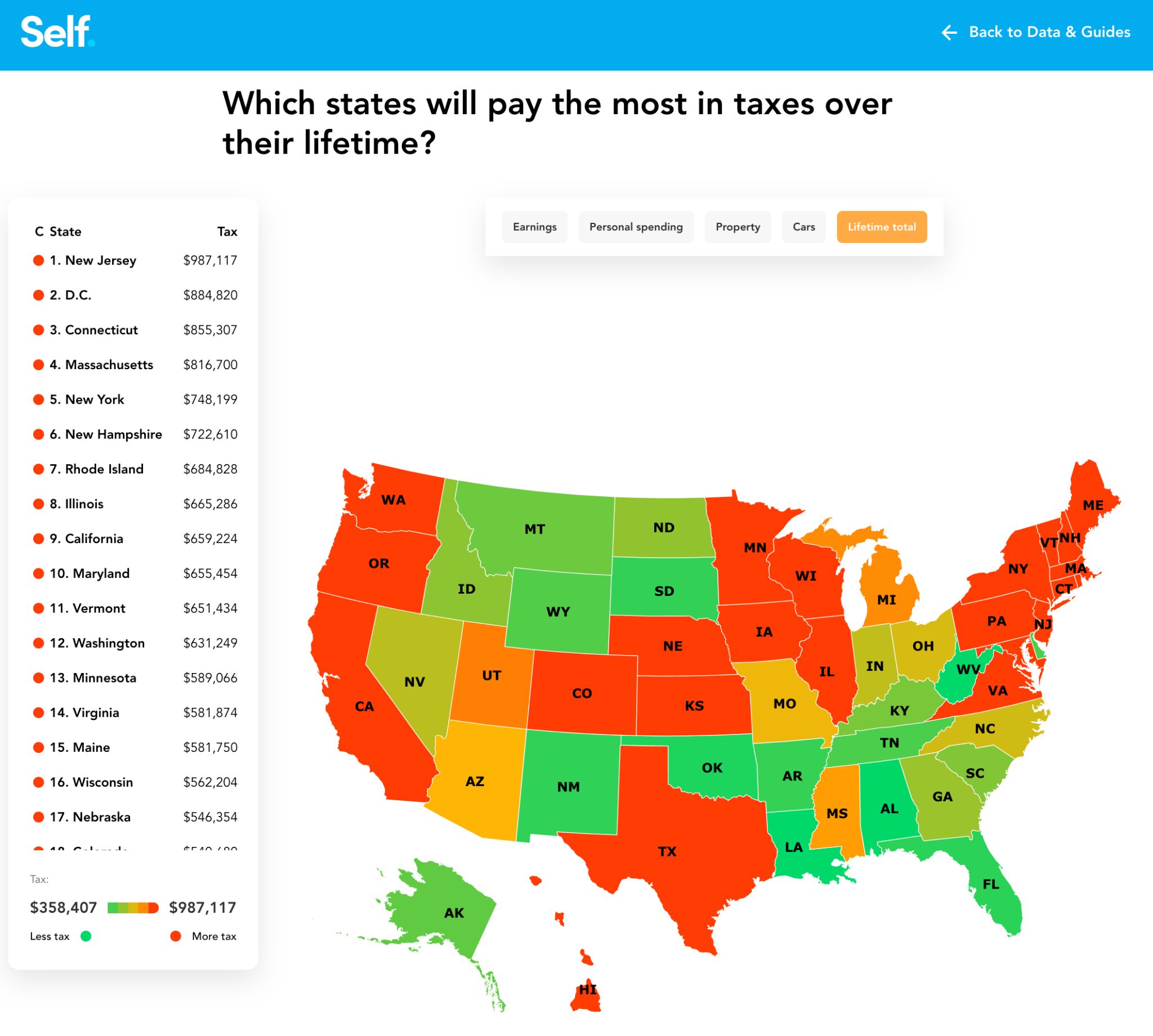
… earning links from 188 referring domains in the process:
As Jason suggested earlier, tools like MuckRack, Cision, and X can be useful for finding journalists interested in your topic. But you can also just search Content Explorer for pages published about a topic in the last 90 days, and extract journalist names from there.