If you’re doing SEO for higher education institutions, schools, or EdTech startups, this is hands down the only education SEO guide you’ll ever need.
Before I started SEO, I was an educator for about 10 years. To say education is close to my heart would be an understatement.
But, the real value of this post comes from the expertise shared by these industry leaders:
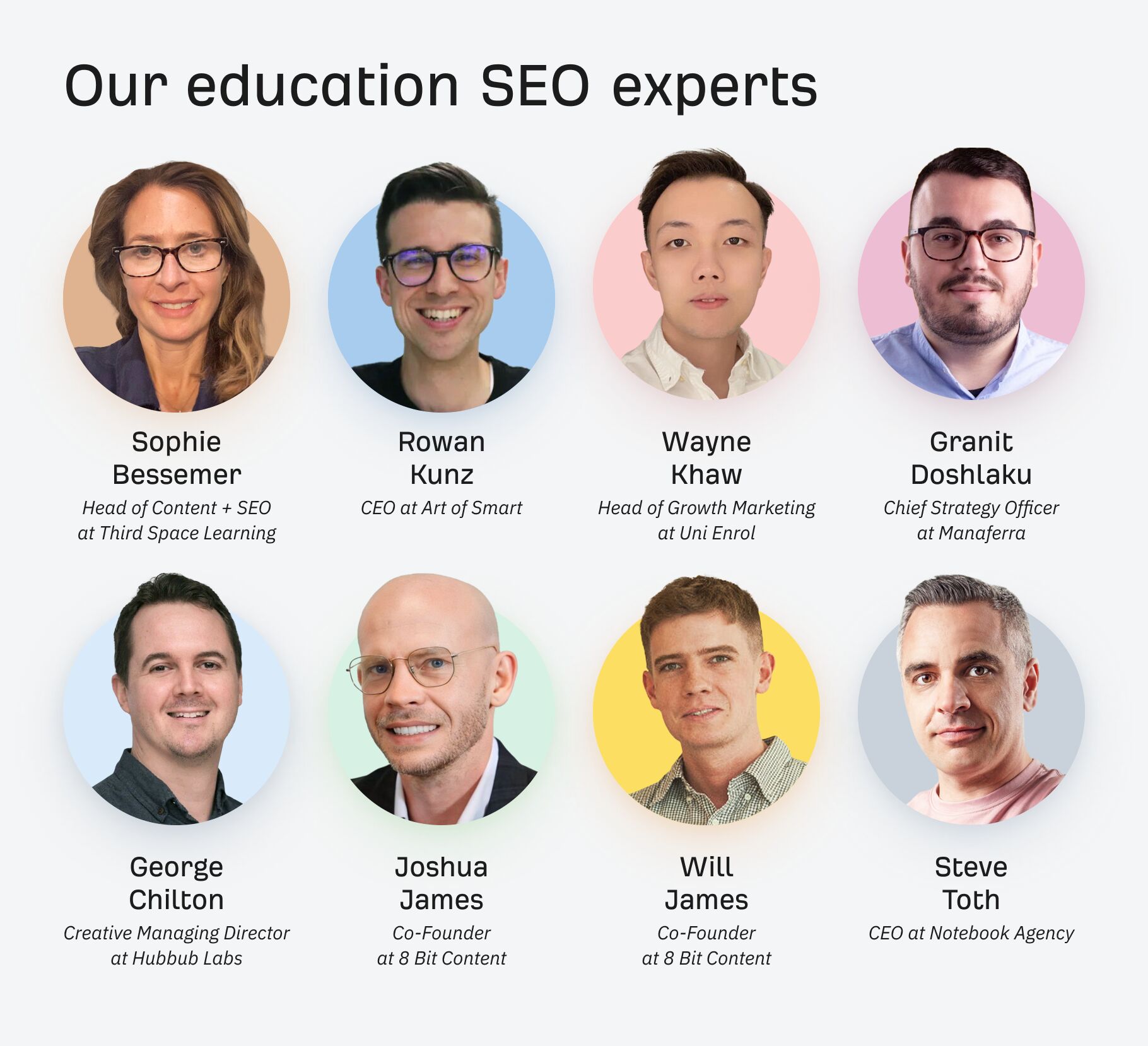
Education is a complex industry. Below, I’ve distilled our combined experience into a practical roadmap for education SEO covering different business models, regions, and industry sectors.
Let’s dig in.
When researching this post, I received this question:
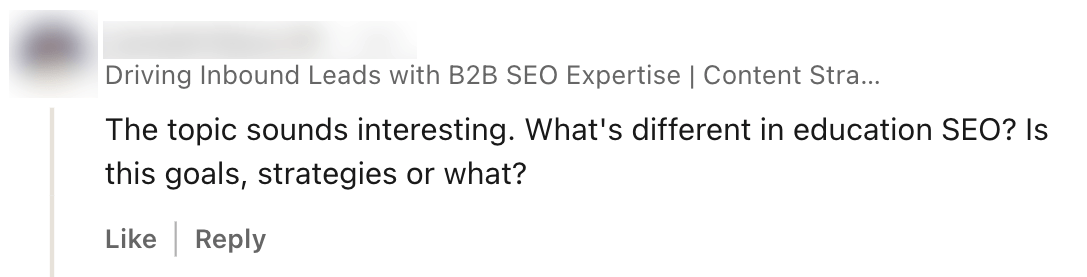
It’s a fair question.
The short answer: if enterprises and non-profits had babies, they would be like 99% of the world’s educational institutions. High operational complexity, little money to run them.
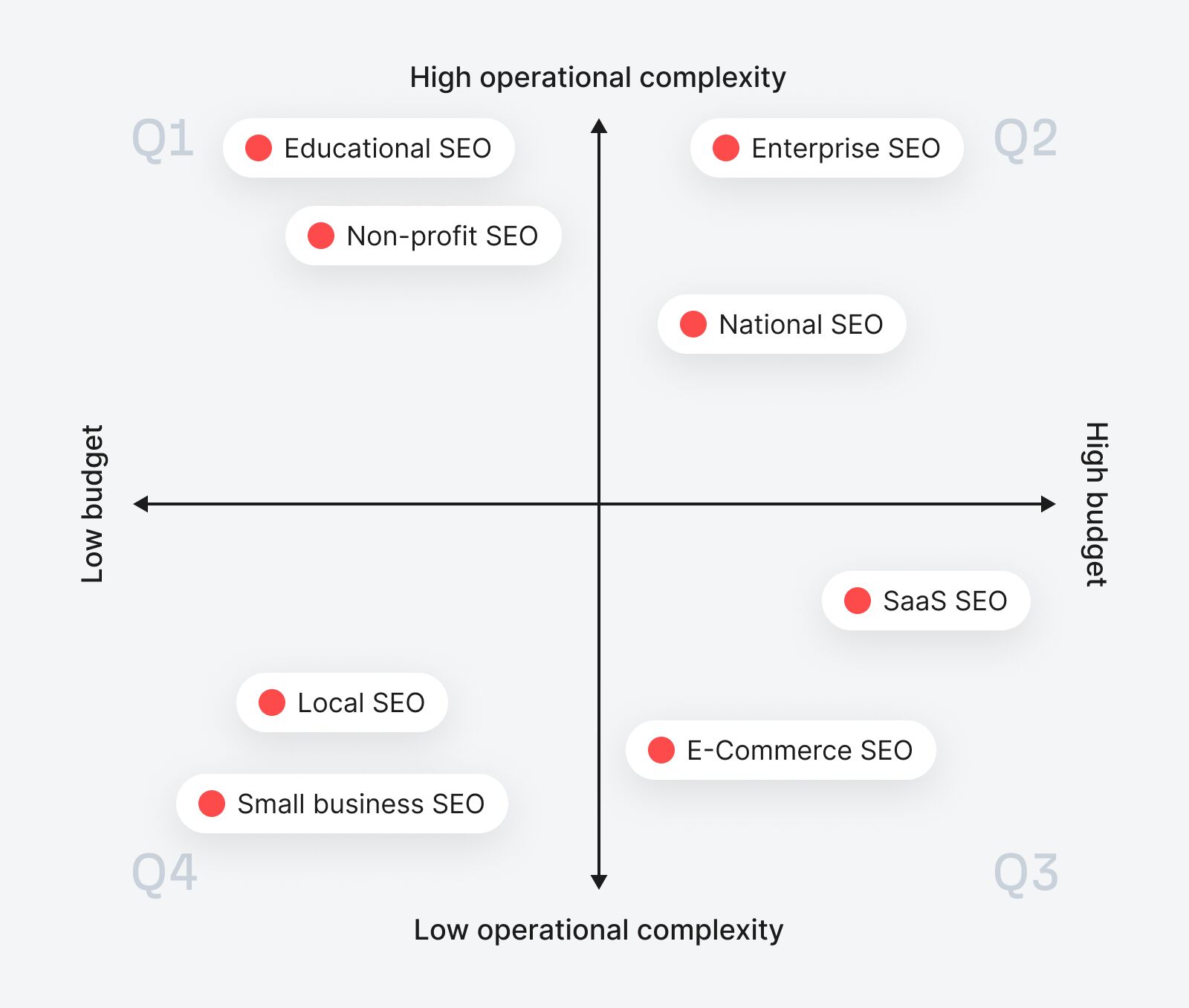
The long answer comes down to understanding why aiming for rankings and traffic doesn’t really matter in this industry.
Most educational institutions have high authority online, and they can often rank without even trying.
Instead, your SEO success will come from understanding the unique and complex challenges affecting this industry and creating more nuanced marketing strategies to overcome them. Challenges like:
- Budgets are low across the board: Both government-funded and private educational institutions target audiences with limited budgets to invest in education.
- Demand for traditional education is waning: Due to high student debt, potential students are questioning the value of a degree. Career-wise, a degree alone doesn’t go as far these days.
- Educators rarely have business skills: They know they need more enrolments but often don’t know how to get them due to limited business and marketing knowledge.
- Enrolment rates affect economies: For instance, in Australia, education is the fourth-largest export, worth over $47.8 billion, in 2023. Attracting more students is not just an institutional goal; it’s often an economic one.
- Governments have a huge influence: Globally, governments affect educational institutions with budget, policy, and curriculum changes that indirectly influence how they can market themselves.
Because of these factors, traditional marketing and SEO approaches don’t always translate to success in education.
For instance, let’s look at the issue of declining enrolments.
Educators think it’s an economic issue. Traditional SEO thinking would have you believe it’s an on-site conversion issue.
In reality, it’s a value proposition issue that centers on potential students considering the long-term ROI of a degree.
Student loan debt is massive. It’s the problem everyone has on their mind. Is it worth going into debt and then paying off a loan for years, maybe decades, to get this education? And what’s the ROI of that? So, because of that, students are more conscious than they have ever been about the decision they’re making.

Better rankings and more traffic won’t help in this case. Instead, you’ll need to tailor your education SEO services to focus on things like:
- Identifying high-value degrees with strong career demand.
- Minimizing advertising spend on degrees with low career value.
- Using search data to understand shifting student interests and patterns.
- Tailoring branding and messaging to reach the right audience segments.
- Removing online barriers that may block enrolments for high-value degrees.
Rankings and traffic won’t cut it. You must turn search demand into bums on seats for it to work.
If you can do that, you’ll have buy-in for SEO from key educators and stakeholders at the institutions you’re working with.
Another major challenge in education SEO is that the audience is almost always fragmented and multi-layered:
- Students: They’re often the end users of most educational products and services.
- Parents: They’re the buyers that private or independent educational organizations target.
- Teachers: They’re often the end users of business-to-educator (B2E) products and sometimes the buyers of student-focused services.
- Administrators + faculty heads: They’re the buyers of most B2E products and services.
All of these audience segments can search for the same keywords to try and solve the same problems. What unifies them isn’t that they’re searching for similar things to solve their own problems.
Rather, they’re all searching on behalf of the end-users. That’s why “end-user personas” matter more for education SEO than “buyer personas”.
Parents and teachers are looking for similar things to students. Like how to help kids struggling to get motivated, overcoming exam stress… both parents and students search for these things. To reach decision makers, you need to understand the student’s pain points because they search on behalf of their kids, not themselves.

There are going to be one of two end-user personas that matter to your SEO campaign:
- Students: The majority of the time, you’ll need to understand the exact student segments that matter for your campaign. Focus on unpacking their pain points at various stages in their academic journey.
- Educators: Although a rarer audience, many EdTech companies exclusively offer B2E services with educators as the end users. Often, they aim to solve administrative or organizational challenges.
Since in most cases, students will be the end user you’re targeting, here’s an example of how you can start to analyze various student segments:
| Student Type | Decision-Making Power | Pain Points | Opportunity |
|---|---|---|---|
| K-10 | Parents and teachers decide for them. | Finding the best learning resources, tutoring, or support for struggling students. | Optimize for searches made by parents or teachers (e.g., “best math apps for kids,” “how to help a struggling reader”). Provide expert-led guides and resource roundups. |
| Year 11-12 | Increasing independence in education choices. | Academic stress, exam preparation, and choosing subjects for university. | Create exam prep hubs, “best subject choices for [career],” and stress-management content targeting students. |
| High School Graduate | Fully autonomous; they choose their education pathways. | Uncertainty about career paths, cost of education, and alternative options. | Focus on early career building questions like “Is a [degree] worth it?” and “Best alternative education paths.” Focus on ROI of different degree pathways and career outcomes. |
| Adult Learner | Self-directed learners looking to upskill or switch careers. | Finding flexible, affordable, career-advancing education. | Target career-switching keywords like “How to transition to [career]” or “Best online courses for [skill].” Use success stories and salary comparisons. |
| International Student | Mixed decision-making (some depend on parents, agents, or visas). | Visa requirements, affordability, cultural differences, and value of studying abroad. | Address visa/finance concerns: “How to get a student visa for [country],” “Scholarships for international students,” “Living costs in [city].” |
This is a simple example to get you started.
You’ll need to go much deeper to understand the exact student segments that matter to you and how the education system in their region affects their learning pathway.
For instance, in Malaysia, the higher education sector remains largely offline, with agencies playing a key role in student placements. Transparency around university admissions is a major issue, leaving students unaware of costs and requirements.
The opportunities for an EdTech startup like Uni Enrol in such a market go beyond providing degree-related information. Rather, it’s in offering the much-needed transparency students are lacking in terms of hidden fees, scholarships qualified, and alternative cost-effective study pathways.
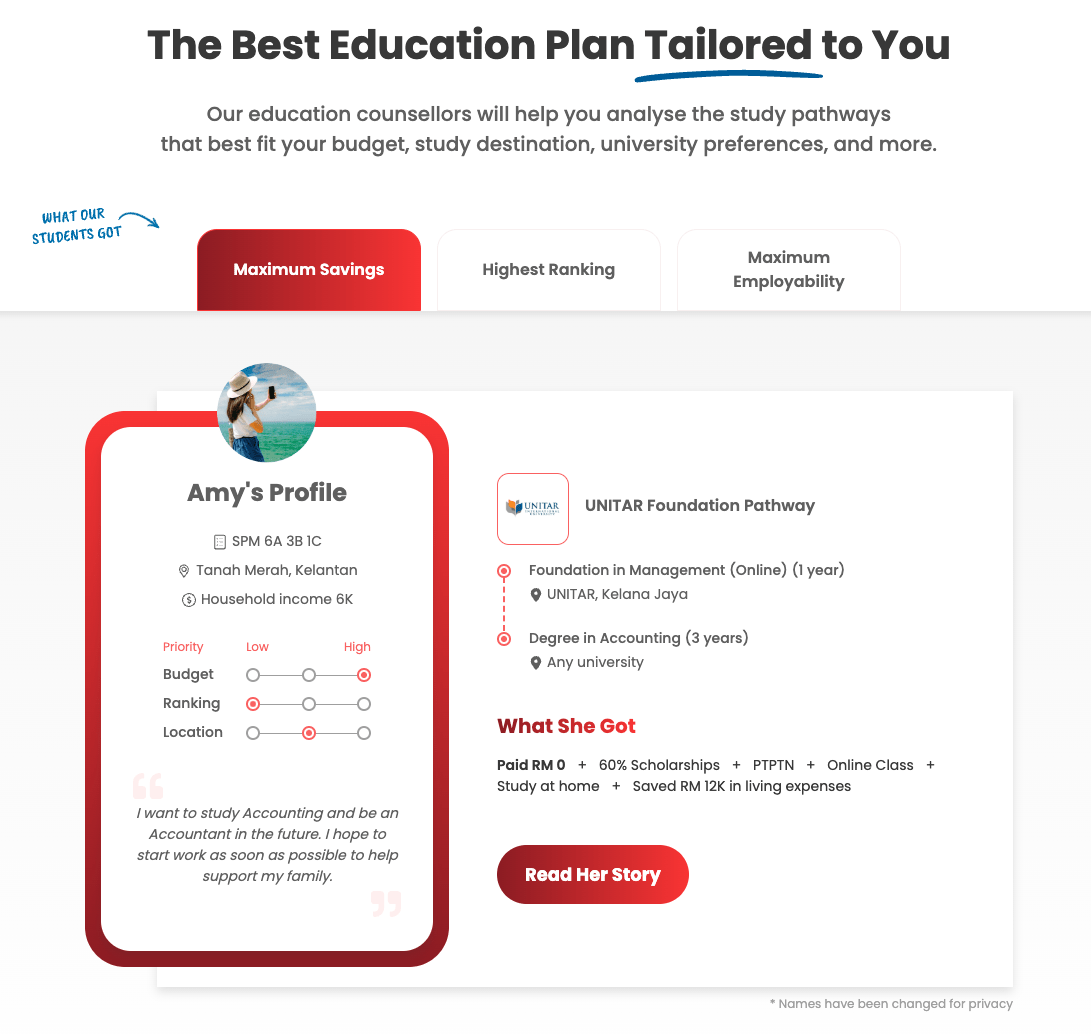
Choosing the right education path is no longer just about prestige—students and parents now have unprecedented access to scholarships, financial aid, and career information.The future of EdTech isn’t just about learning; it’s about empowering students to make optimized, financially sound choices. And Uni Enrol seeks to organize all relevant information and pathways to help students easily discover and secure these opportunities.

Without deeply understanding the end user’s pain points, you won’t know how to best reach decision-makers either.
Yes, understanding your audience is important in any industry, but for education, it’s the lifeblood of your SEO campaign.
The great thing about the education industry is that there is predictability as to when certain types of information will be most helpful.
Timely content before key exams performs better than generic evergreen guides.
You can use the seasonality of key academic events to plan your content strategy around things like:
- Start and end of school
- School holidays
- Key exam periods
- Annual school events
- Application due dates
- Student loan repayments
- Campus open days
Identify the experience your target audience is having around these key dates. This will give you a wealth of insight into when certain pain points are more relevant.
For example, the keyword “ap exam schedule” spikes every May:
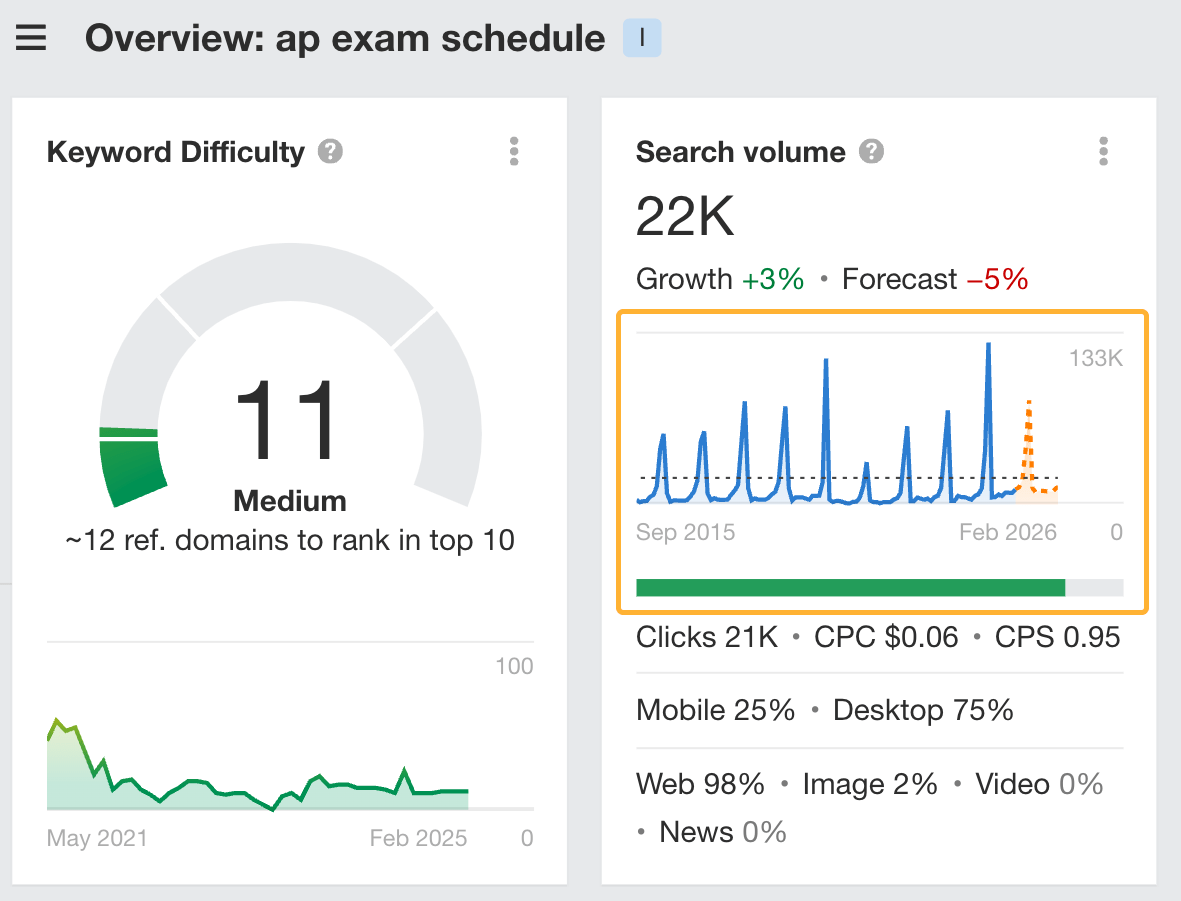
The keyword “when does school start” spikes around July in the US and January in Australia. Knowing the relevant dates in your target region makes a difference.
But, these predictable spikes aren’t all that matters. You should also prioritize topics that are growing in the long term.
For example, the topic of lesson plans appears to have a lot of search potential, with just under 100,000 different keyword variations being searched globally 1.3 million times every month.
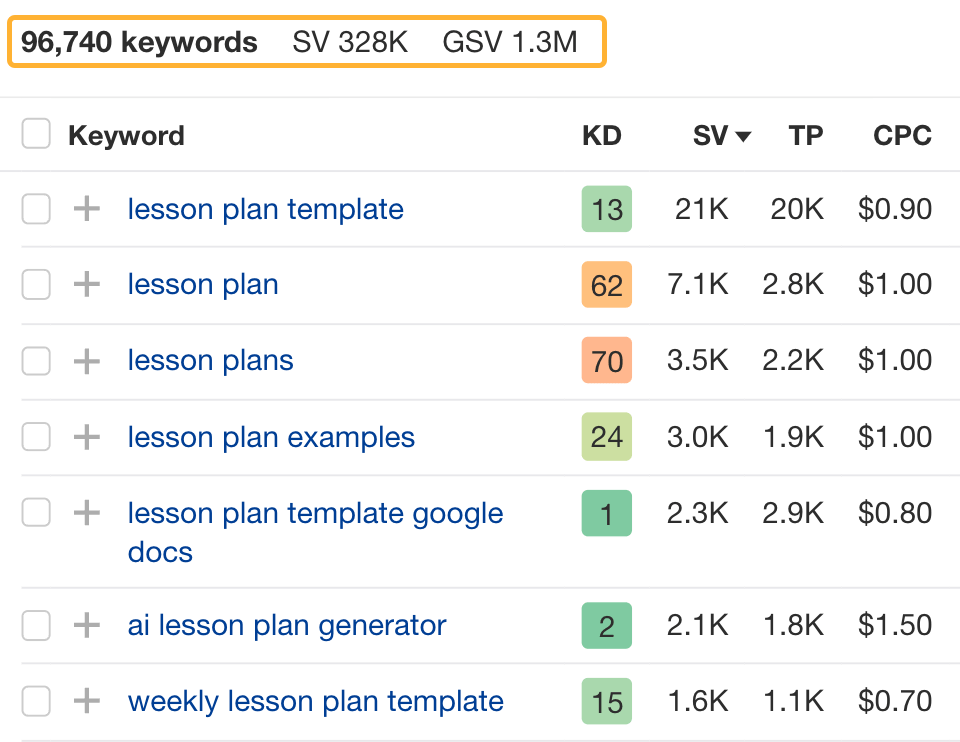
But the topic is in decline overall, despite seasonal spikes:
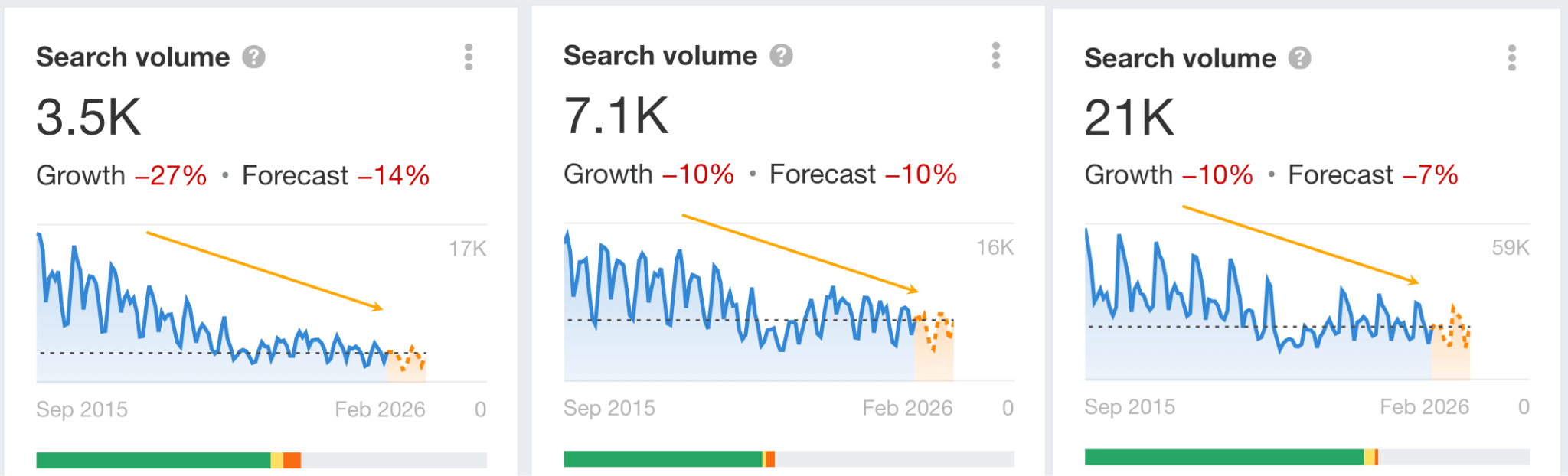
If you’re not looking beyond search volume, you’ll miss bigger-picture growth trends and seasonal patterns of your target keywords.
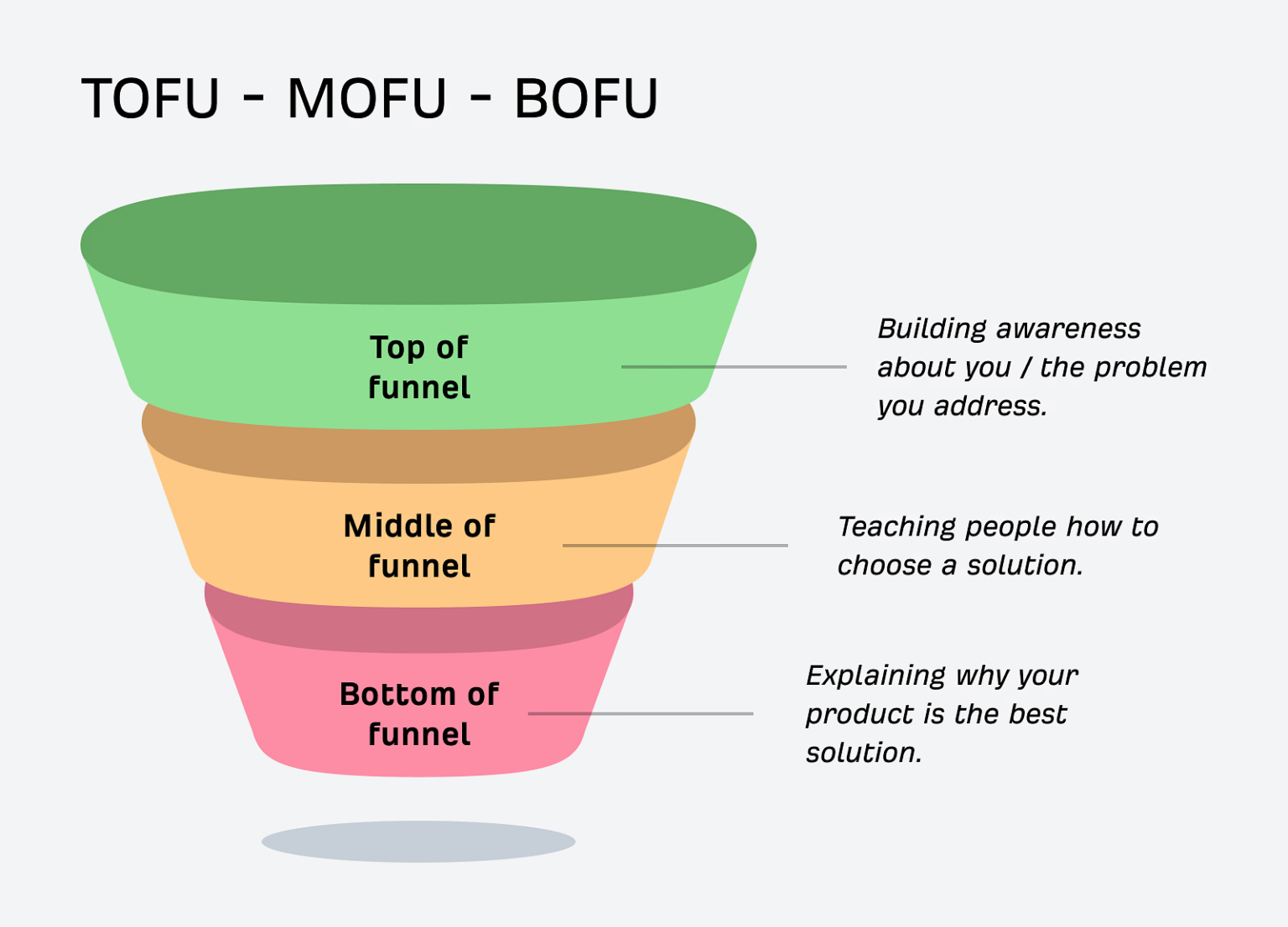
Education SEO is heavily skewed towards top-of-funnel (TOFU) content, with most institutions and EdTech companies investing in high-traffic, informational content.
SEO is a big opportunity for education institutions with many intent-based keywords and top-of-funnel content marketing opportunities available.


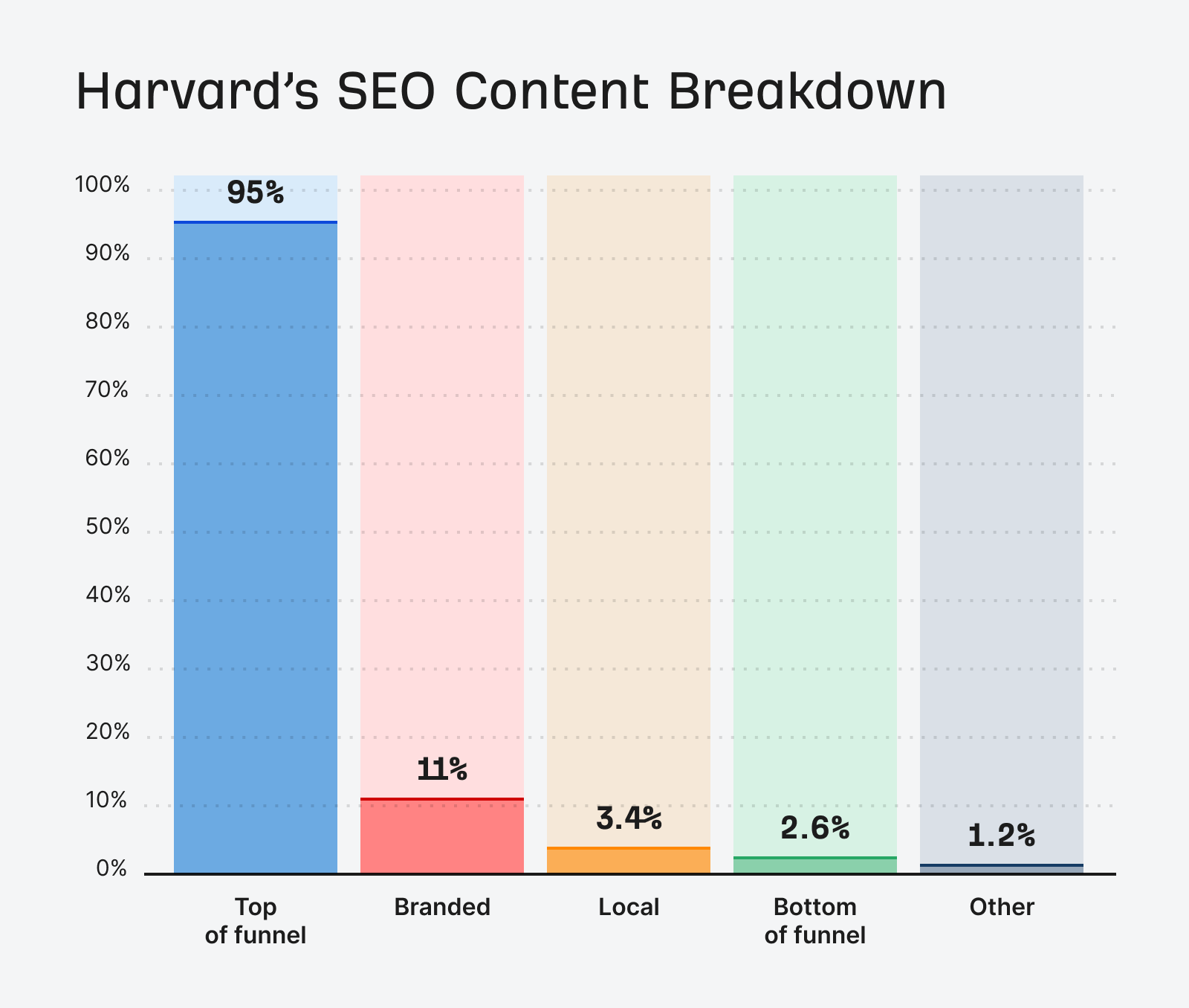
For instance, 95% of Harvard’s SEO success comes from top-of-funnel, informational intent keywords.
Sidenote.
(Adds up to more than 100% due to keywords with mixed intents).
This pattern holds across local education businesses, online schools, and EdTech companies where informational opportunities disproportionately outweigh all others.
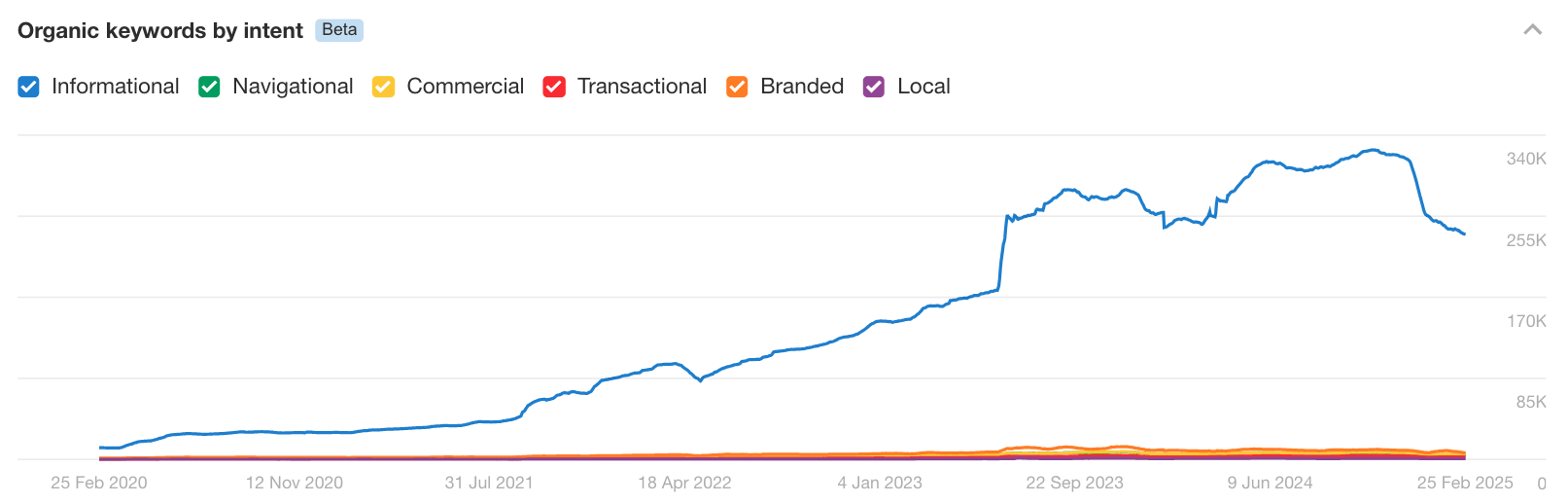
However, with the recent introduction of AI Overviews, there is an industry-wide reduction in traffic potential from such keywords.
Google is now directly answering people’s questions within its platform using AI:
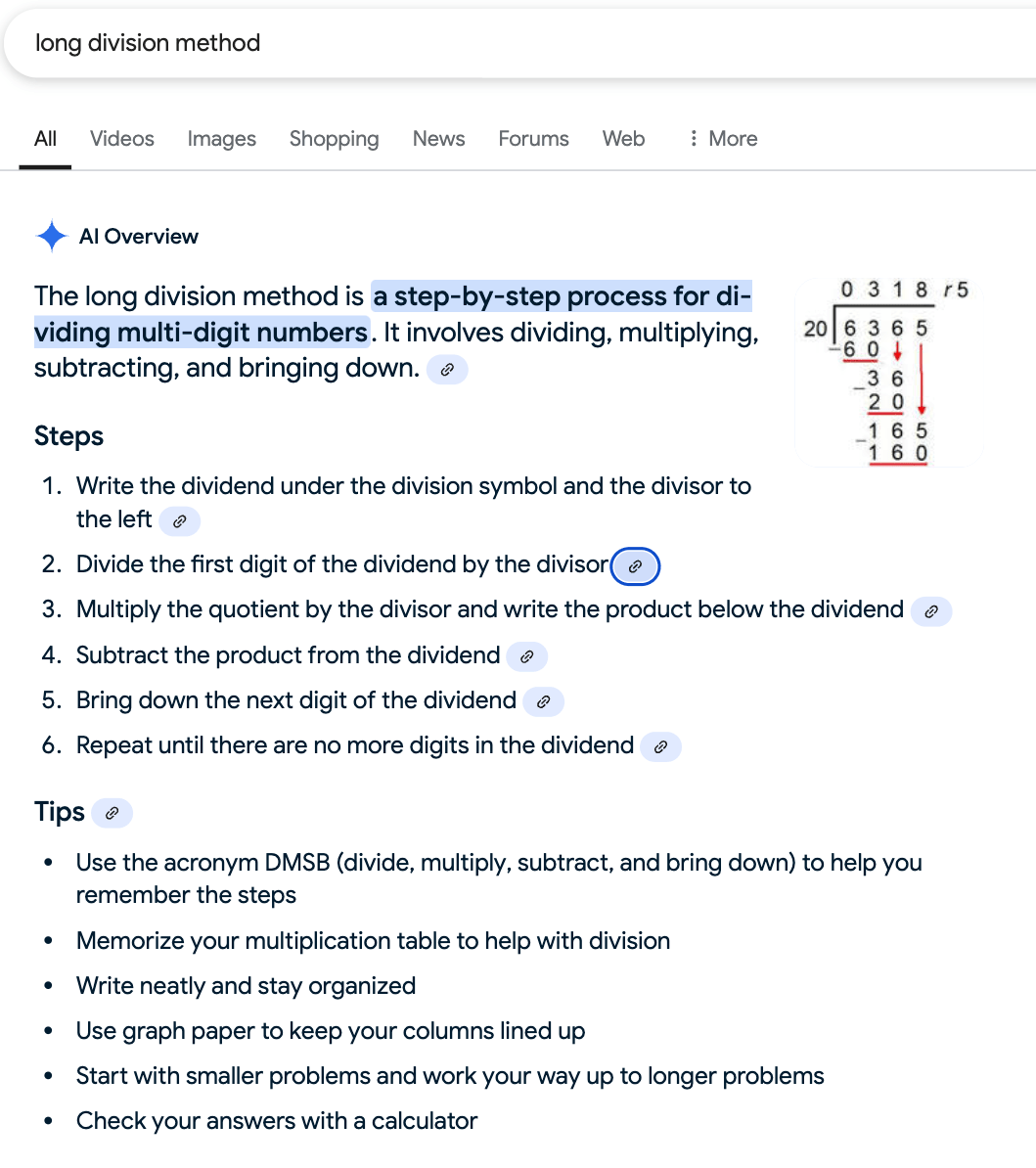
The reality is that education organizations that have solely relied on top-of-funnel visibility are experiencing unrecoverable traffic losses. The winners are the ones who shift their focus to mid-funnel (MOFU) content.
Mid-funnel content improves brand awareness and also helps searchers along their journey to making a buying decision.
For example, we can take a page out of Steve Toth’s notebook when working with higher education institutions or course providers.
If keywords like “data science course” are too competitive for you to chase, you can target keywords earlier in the funnel (i.e., the middle of the funnel) and that precede a buying decision like:
- How to become a data scientist
- What companies hire data scientists?
- Do you need a degree to become a data scientist?
- How much do data scientists make?
These questions are all crucial for helping potential students decide whether they will pursue a given career path and which specific course will best position them to develop the necessary skills.
This strategy performed exceptionally well for Notebook Agency’s higher education client, earning over 50,000 clicks in the first year and growing significantly in the following years.
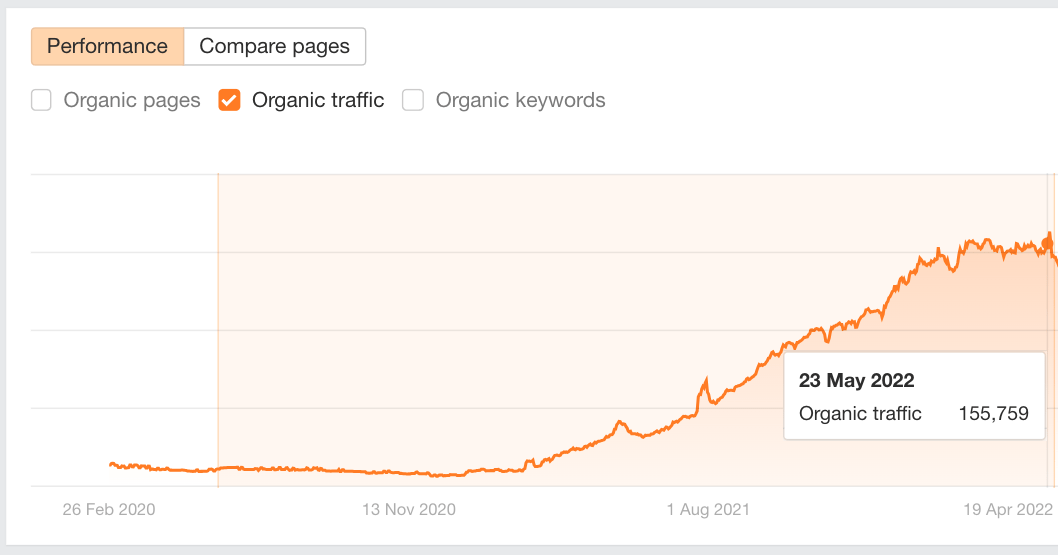
Had they used paid ads to attract these clicks, they would have paid $500,000 to $1,000,000 per year.
Some other examples of educational mid-funnel content you could consider include:
- Calculators and tools
- Curriculum-led content
- Worksheets or lesson plans
- Alternative assets like PDF documents
- Quizzes for career selection
Check out my article on mid-funnel content for ideas on how to use these content opportunities in your strategy.
Focus on things that lead to a buying decision, build trust in your brand, or cannot easily be answered by AI Overviews.
Part of the reason why top-of-funnel content is so widely used in the education industry is that for many institutions, there are surprisingly few bottom-of-the-funnel (BOFU) opportunities leading to a conversion online.
High-intent BOFU keywords often don’t exist in a clean, obvious way for the education sector. Instead, intent is fragmented across different audience segments, and the same keyword can have mixed or competing meanings.
For example, if you think that keywords like “bachelor of science” are as low as the funnel can go for a university, you’d be wrong.
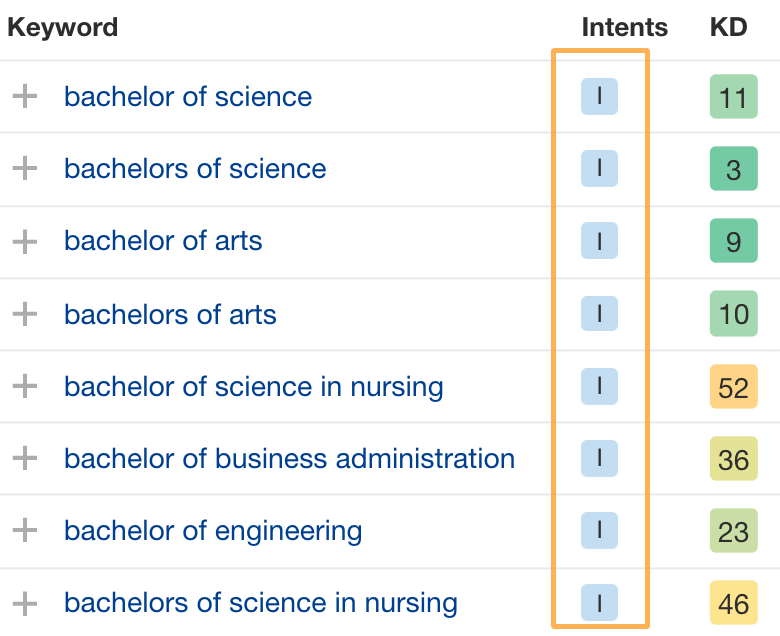
People don’t convert from these searches even though they are literally about the exact product a university has to offer.
Rather, the best BOFU opportunities come from keywords containing modifiers like:
- For a physical campus: Location modifiers like “near me” or mentions of a specific suburb or city.
- For an online institution: Keywords containing “online”, “correspondence” or “remote”.
- For hybrid institutions: Depending on the service, a mixture of both of the above.
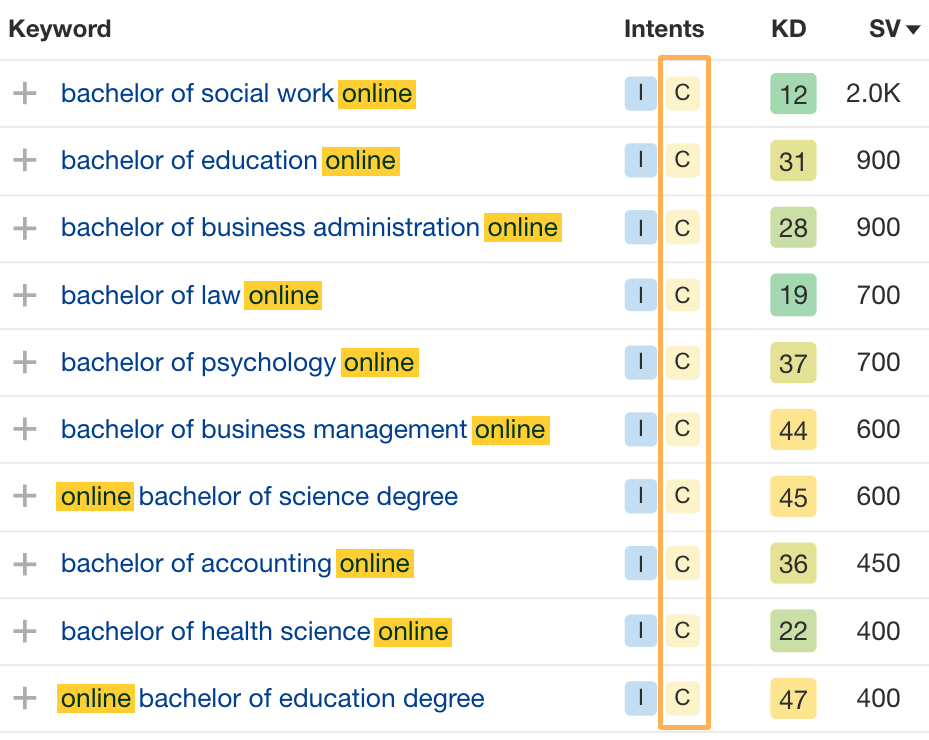
There’s only so far that online research takes students, especially for undergraduate studies.
Their offline experiences when visiting career fairs, campus open days, and attending in-person events play a more critical role in their decision-making.
SEO is very effective when offering online programs or for increasing your enrollments to graduate programs.
Most of this audience is already in the workforce. They need a degree to advance in their careers, and they’re looking for the best option for them. Unlike undergraduate students, they don’t necessarily want to have an on-campus student experience.
They’re mostly looking at this from the point of view of ‘how efficient is this for me’… that’s an important aspect to keep in mind when you’re building your education SEO strategy.
There’s also a pattern of mixed-intent BOFU keywords that affects other business models or services in the education industry.
For instance, Third Space Learning is an EdTech company that sells online math tutoring to schools. Its business model is what Sophie Bessemer calls “business to educator” (B2E).
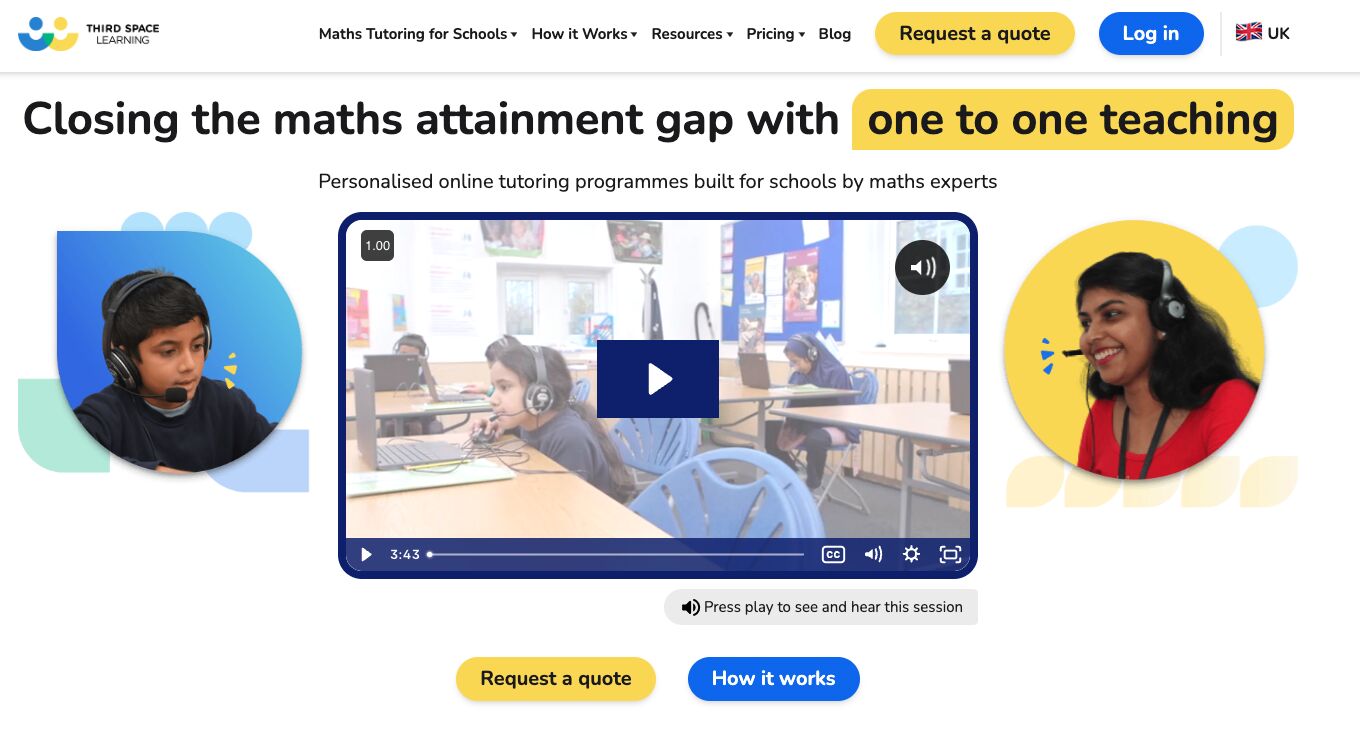
If we apply traditional SEO thinking, then Third Space’s commercial keywords should include the word “tutoring” since that is the service they offer.
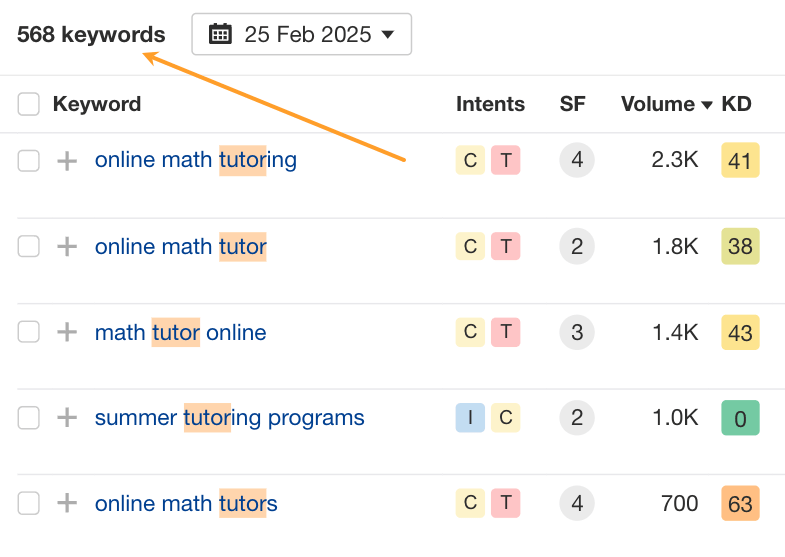
And while they do rank for hundreds of such keywords…