

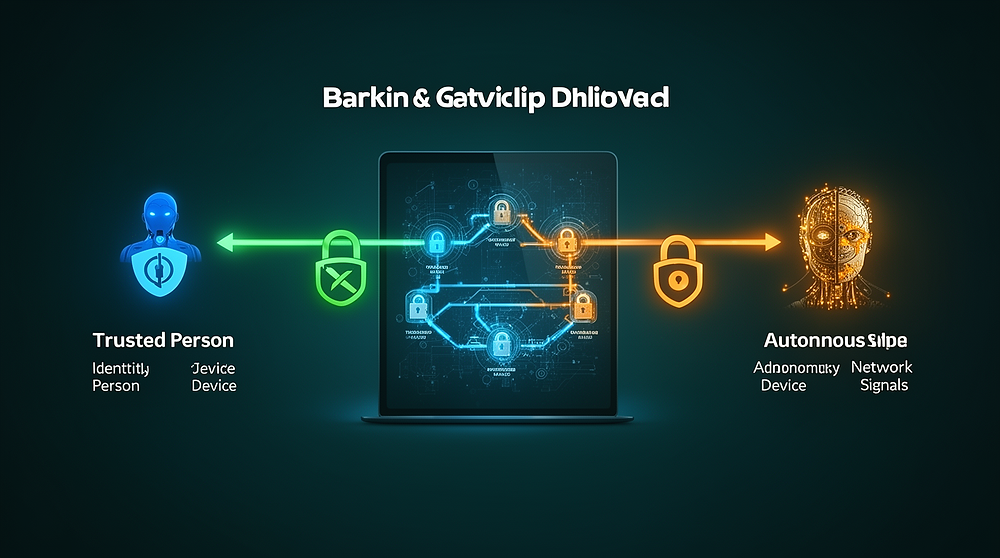
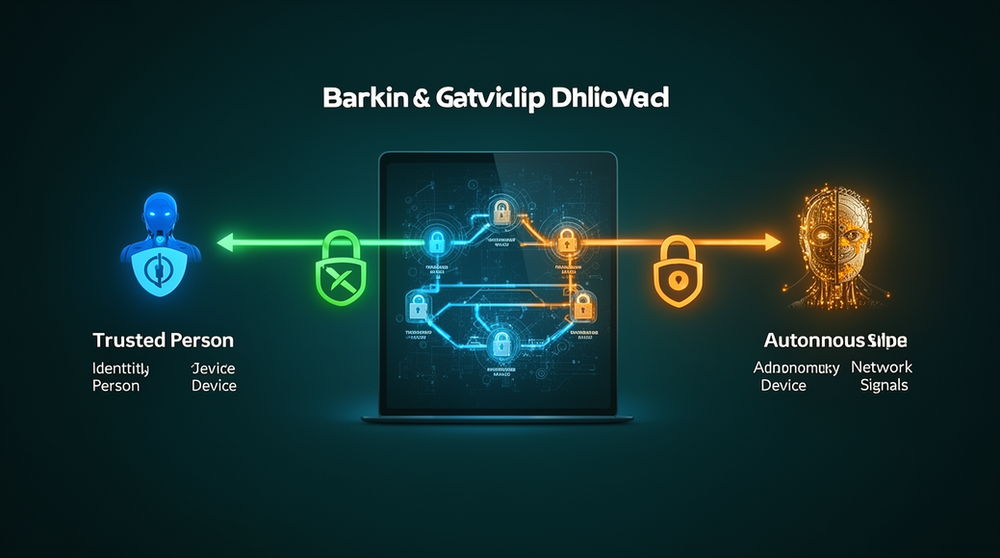
Financial-crime technology provider Feedzai has expanded its Digital Trust product with controls intended to help banks identify when an AI agent, rather than a person, is accessing a customer account.
The update combines persistent device fingerprinting, network-level intelligence and cryptographic device binding. Feedzai says the signals can help a bank distinguish a customer-authorized agent from malicious automation, while continuing to evaluate risk after a successful login.
Feedzai claims the new shared signals detected 44 percent more fraud in the highest-risk 0.1 percent of sessions without increasing false positives. The company also reports 41 percent fewer SMS one-time passcodes and 6,000 fewer unnecessary authentication challenges per million logins compared with competing technology. The announcement did not include enough methodology to independently evaluate those comparisons.
Personal and malicious agents can look very similar. Our latest advancements in Digital Trust help banks tell them apart, blocking unwanted agents and trusting the ones their customers choose to use.
Pedro Barata, chief product officer at Feedzai, said the company is building agent detection on protected device signals, cryptographic recognition and network intelligence.
Identity policy moves beyond the user
Banks will need more than a binary bot decision. They must record customer consent, constrain what an agent may do, and preserve enough session context to investigate fraud without blocking legitimate automation. Feedzai says it will expand the agent-detection capabilities in coming months; the current product overview describes the underlying trust controls now available.

