

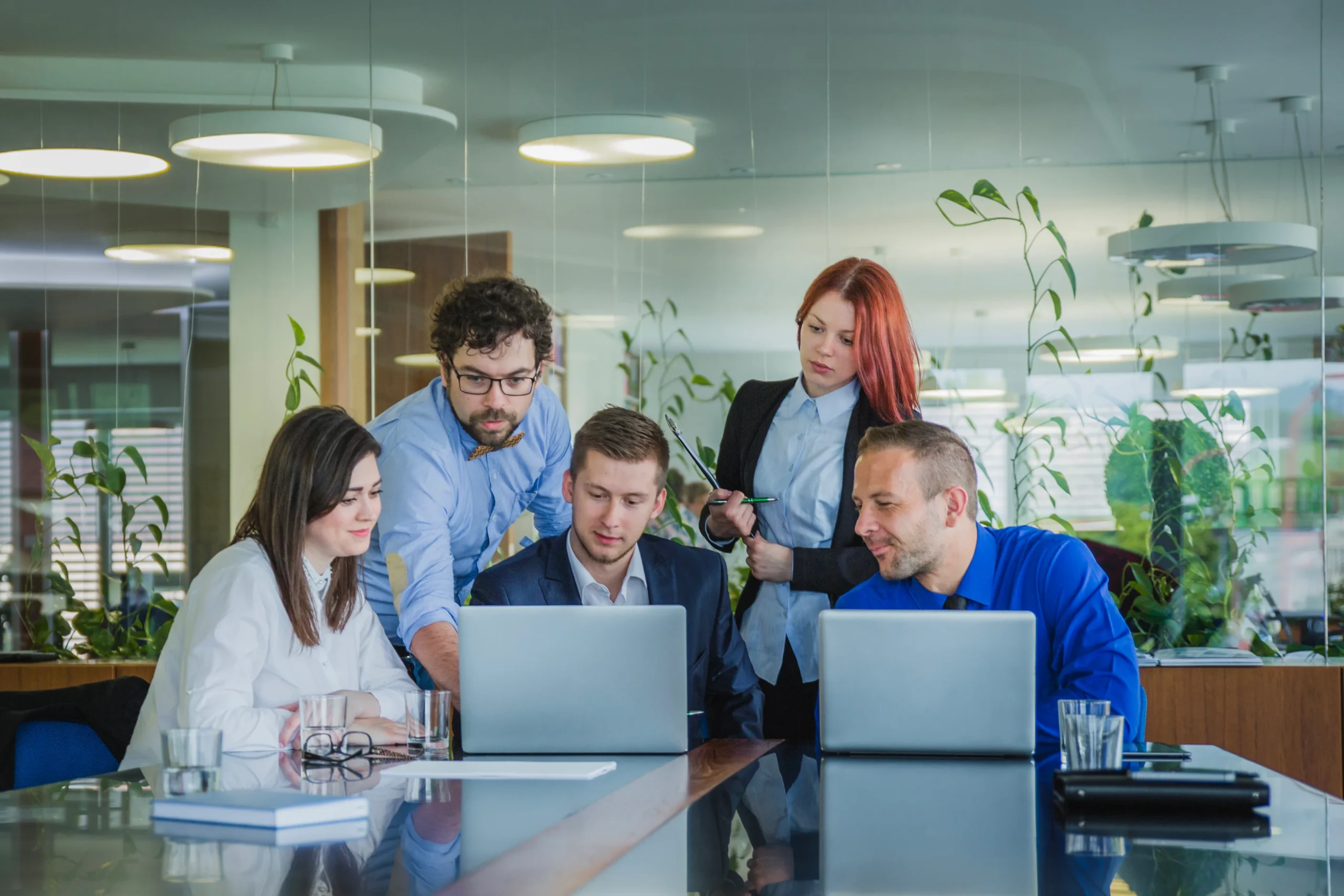
Office technology in 2026 is driven by intelligence, automation, flexibility, and measurable business outcomes. Organizations are investing in systems that enhance employee experience while improving operational performance.
The following trends highlight the most impactful innovations shaping modern workplaces this year.
1. AI Driven Workplace Automation
Artificial intelligence is transforming how offices manage repetitive administrative and operational processes. AI powered systems handle reporting, workflow coordination, and task management with minimal human supervision.
Automation reduces manual errors and frees employees to focus on strategic initiatives. Companies adopting intelligent automation often experience faster decision making and improved productivity.
2. Intelligent Hybrid Work Platforms
Hybrid work continues to redefine how organizations structure daily operations and collaboration. Centralized hybrid work software combines communication, scheduling, and workspace coordination in one environment.
Employees can manage office visits and team activities without confusion or overlapping plans. This integrated approach strengthens collaboration between remote and in office teams.
3. Smart Space Management and Desk Booking
Flexible workplaces require accurate visibility into desk availability and room occupancy levels. Modern booking systems allow employees to reserve desks quickly through web or mobile applications.
Real time dashboards provide insights into peak usage hours and underutilized spaces. Leaders can optimize office layouts and reduce unnecessary real estate costs using reliable data.
4. Advanced Meeting Scheduling Systems
Meeting scheduling technology has become essential for efficient workplace coordination. Intelligent scheduling tools automatically suggest available time slots based on participant calendars.
These systems reduce back and forth emails that often delay important discussions. Integrated meeting room booking ensures physical spaces align with digital calendar reservations.
Automated reminders and conflict detection improve punctuality and reduce double bookings. Organizations benefit from smoother workflows and more productive collaboration sessions.
5. Visitor Management Systems
Visitor management systems streamline the registration and tracking of guests entering the office. Digital pre registration allows visitors to check in using mobile devices or self service kiosks.
These systems reduce waiting times at reception while enhancing workplace security. Organizations can maintain accurate visitor logs for compliance, safety, and audit purposes.
Advanced systems can integrate with access control to automatically grant temporary credentials. Businesses benefit from a professional, secure, and seamless visitor experience.
6. Data Driven Workplace Analytics
Workplace analytics platforms provide measurable insights into attendance patterns and collaboration trends. Advanced dashboards help organizations understand how office resources are actually being used.
Leaders can redesign layouts and adjust policies based on factual data rather than assumptions. Data driven decisions improve efficiency and support long term strategic planning.
7. Smart Building Integration
Modern offices integrate lighting, climate control, and access systems into unified building platforms. Sensors automatically adjust environmental settings based on occupancy and user preferences.
This integration enhances comfort while lowering overall energy consumption. Smart building ecosystems contribute to sustainability goals and operational cost savings.
8. Advanced Cybersecurity and Zero Trust Architecture
As digital transformation accelerates, cybersecurity remains a critical priority for organizations. Zero trust security models verify every access request before granting system permissions.
Encrypted networks and multi factor authentication protect sensitive company information. Strong security infrastructure ensures business continuity in increasingly connected workplaces.
9. Immersive Collaboration and Virtual Training
Immersive technologies are reshaping employee training and team collaboration experiences. Virtual simulations allow staff to practice real world scenarios in controlled digital environments.
Interactive meeting environments enhance engagement for remote participants. Organizations using immersive tools report improved learning outcomes and stronger team alignment.
10. Sustainable and Energy Efficient Office Systems
Sustainability plays a growing role in workplace technology investments. Energy efficient lighting and automated climate systems reduce environmental impact significantly.
Occupancy based controls minimize unnecessary energy usage during non peak hours. Sustainable technology strategies align cost efficiency with long term corporate responsibility goals.

