

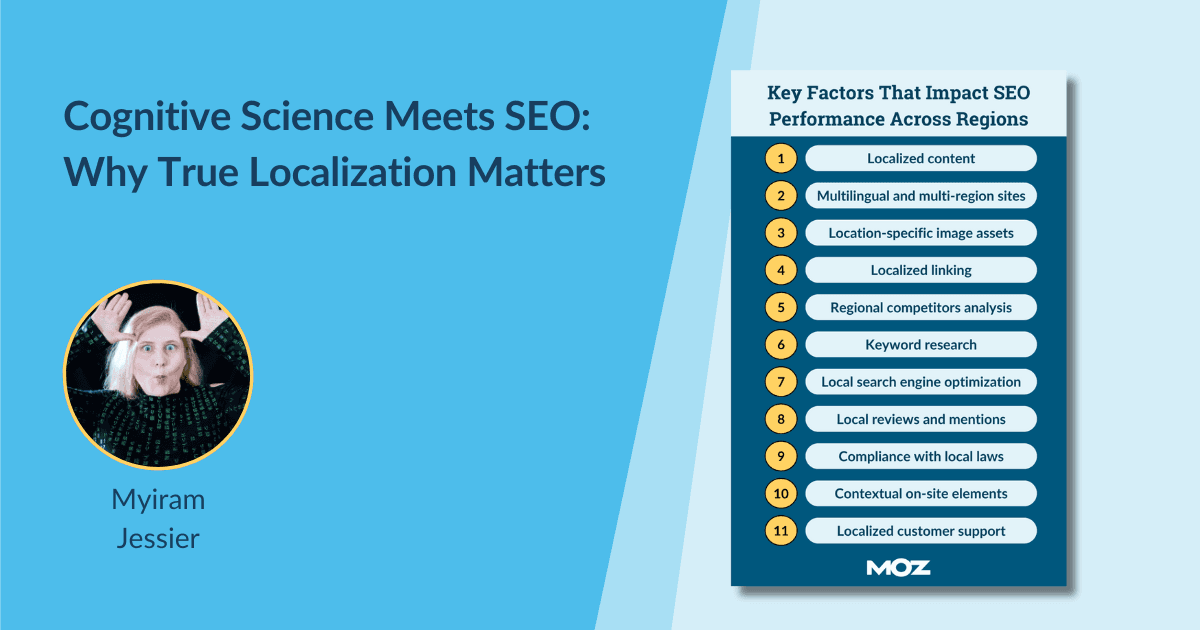
While globalization has connected the world like never before, successful localization requires more than surface-level translation. By aligning content with nuanced cultural insights, brands can overcome barriers to build authentic multi-local engagement.
In marketing, optimal familiarity may relate to the ideal level of brand recognition and consumer exposure to a product or service. Achieving optimal familiarity in this context means ensuring that your website and content resonate with and are relevant to the local audience in each target region.
Fight for alignment
Localization should reflect the local market’s preferences, habits, and values. Prioritize organic search goals that align with business objectives. In order to capitalize on high-value SEO opportunities, you must test and measure initial efforts. Then, scale what resonates. Regularly refresh your audience and journey research to stay relevant as behaviors evolve.
Machine translator, human editor
Machine translation is an amazing way to scale your presence in various markets. However, machine translation often falls short of capturing nuances. Inaccurate translations can create a sense of unfamiliarity and distrust, undermining the brand’s efforts to build familiarity. Your workflow should always involve local experts or native speakers to help ensure the end result provides a culturally-nuanced translation. An innocent phrase in one country can be offensive or nonsensical in another. In-depth cultural knowledge, sometimes even at a subnational level, is crucial for avoiding such pitfalls.
Internal search is a hidden threat to proper localization
If your website’s internal search engine isn’t localized, it can drastically affect user experience. Make sure to adapt the search algorithm to local needs. Brand names can vary; often, people will use a brand name instead of a product name to describe a product (Kleenex, Whiteout, Frigidaire). You must ensure that your internal search engine is able to return results for these queries; otherwise, customers may feel you do not carry them, and you could lose out on a sale. By adapting the search algorithm to local needs and considering variations in brand names and product terminology, you align your store with local, familiar customer expectations.
Be wary of promotions
Avoid blanket promotions that exclude certain regions. Restricting access to deals due to geographic limitations is extremely frustrating for customers.
Brands frequently run into this issue when running contests or offering coupon codes. Instead, segment promotions by locale to feature appropriate offers. This may require region-specific landing pages, geo-targeted emails, or personalized on-site messaging.
If regulations limit certain promotions, be upfront about eligibility to manage expectations. For example, limitations around Quebec’s strict language laws are understandable if explained clearly upfront.
Set up tracking to monitor promo success by country and tweak based on response rates. Continually optimize to improve the relevance of offers for every locale you serve. Localized promotions require extra effort because you need to keep regional holidays, customs, color symbolism, and laws in mind, but they drive engagement. McDonald’s is known for adapting its menu and promotional offerings to suit regional tastes and preferences around the world. For example, in Japan, they offer seasonal items like the “Teriyaki Burger” to cater to local flavors, while in India, they have a range of vegetarian options to accommodate cultural dietary preferences. But they go beyond that with their marketing strategy, adapting ads to various cultures worldwide.

