

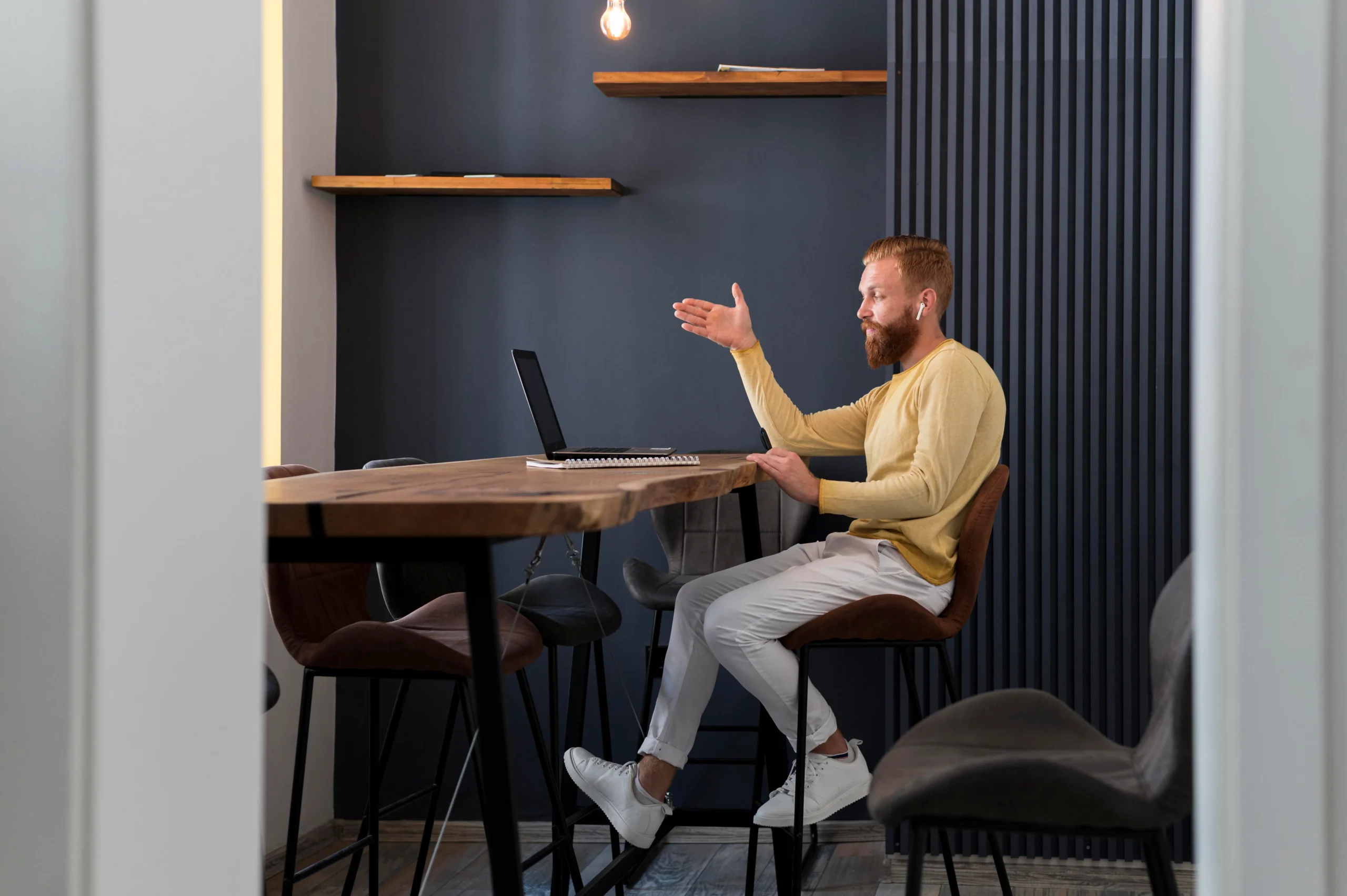
Establishing an introvert-friendly office layout does not involve removing collaboration. Instead, it is a case of providing deliberate design options that facilitate focus.
1. Quiet Zones and Low-Traffic Areas
Quiet zones are distraction-free areas allocated for focus. Best practices include choosing a quiet place that isn’t a break room, limiting phone calls and discussions, and showing people when they are in focus mode. One real-world example is a financial department that set up a quiet work zone during busy reporting periods to reduce interruptions and improve accuracy.
2. Acoustics and Noise Control (Sound-Absorbing Materials)
Effective office acoustics for introverts essentially improve comfort. This can be remediated through adding acoustic ceiling panels, soft flooring or carpet tiles, sound-absorbing wall materials, and noise-masking systems. A perceived reduction in noise levels can be significantly decreased even by minor acoustic improvements.
3. Adjustable Privacy Screens & Enclosures
A closed office is not required for all employees. Privacy solutions can be adjusted to flexible yet non-permanent walls. Some examples are desk-mounted panels, movable partitions, and semi-enclosed workstations. These tools enable the workers to manage themselves according to the needs of the tasks.
4. Dedicated Focus Rooms or Pods
Dedicated focus rooms and pods create a conducive environment for collaboration. It is ideal for writing reports, virtual meetings, and, most especially, sensitive, confidential jobs. One can make or take a call without distracting or disrupting everyone in the office, ensuring everyone’s comfort and efficiency.
5. Flexible Seating for Choice & Autonomy
The element of choice is a significant factor in productivity. Workers work more effectively when they choose conditions that are consistent with their work. Flexible seating can be arranged through having collaboration tables, lounge thinking areas, and individual work booths. Satisfaction and performance are enhanced by autonomy.
6. Natural Light and Reduced Visual Distractions
Lighting influences both mood and cognition. Design measures such as placing desks near natural light, using neutral colors rather than high-contrast graphics, and reducing wall displays should be implemented. Less taxing visual situations facilitate long-term focus.
7. Clear Signage and Flow Patterns
Researching how people use an office is more useful than most companies believe. These trends affect how well operations run and how much they accomplish. Adopting individual work paths, creating quiet areas, posting signs indicating the acceptable noise level, and changing path patterns are all ways to make the workplace healthier for everyone. It’s less likely that someone will cause trouble by accident when there are clear signs around.

